Super League will look a little bit different in 2026 with the RFL approving law changes that have primarily impacted the speed of the game.
It wasn’t uncommon for matches to take over two hours to complete in 2025 with the addition of the Captain’s Challenge as well as the drawn-out video referee process meaning some games ran beyond the 120 minute mark in terms of completion.
Thankfully, that shouldn’t be the case in 2026 as two new rules will come into effect after being approved by the RFL board.
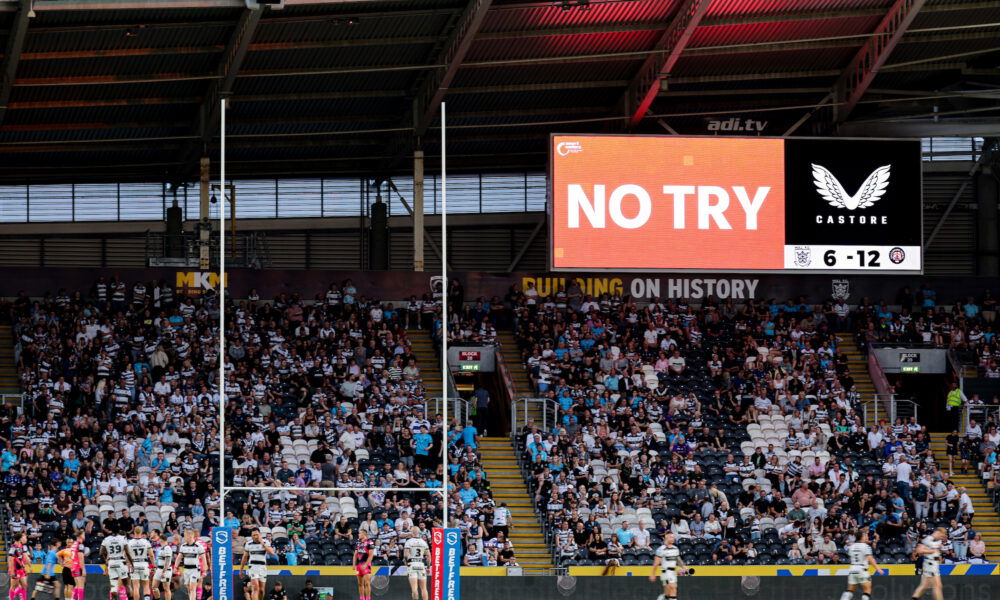
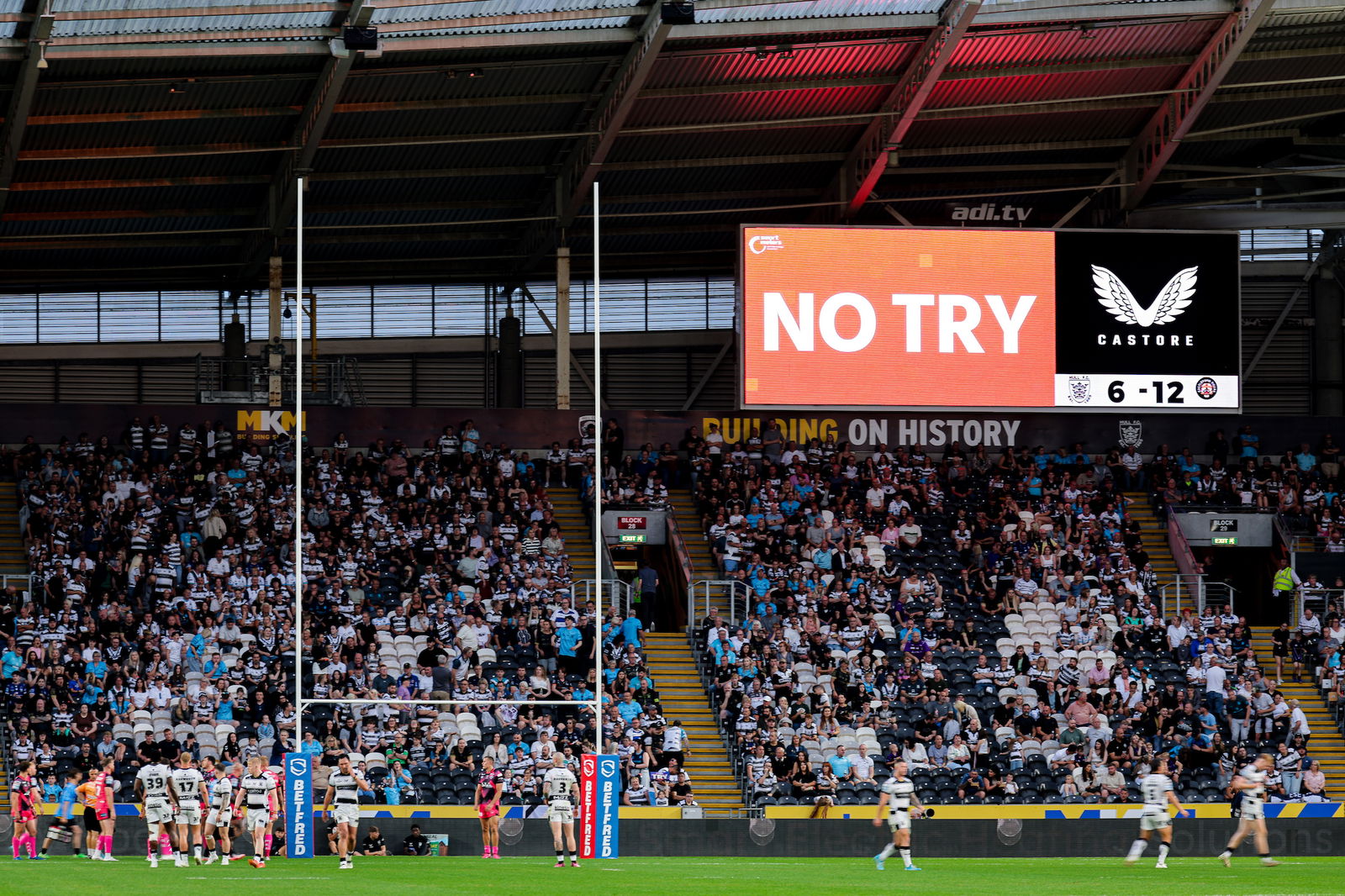
Those changes are that if the on-field referee believes that a try has been scored then it will be awarded and then reviewed by the video official, without a clock stoppage.
The hope is that a decision will be made in the time it takes for the kicker to set up for a conversion, which won’t be taken until that on-field call is approved. If a decision isn’t made by the video referee inside 80 seconds then the referee will call time off.
If a live decision of ‘no try’ is made by the on-field referee then time will be called and the video referee process will proceed as in previous years. If a decision of ‘try’ needs to be overturned then the game clock is reset to the point in time when the on-field referee first awarded the try.
The other change relates to kicks at goal with a 60-second time limit applied once a try is confirmed. The consequence for failing to meet that time limit has been reported by the Yorkshire Evening Post, with RFL head of match officials confirming that the opportunity to kick at goal “will be lost”. If at a penalty then the ball is handed over to the opponents for a play the ball.
Who will benefit from Super League law changes?
Both those changes have been made in an attempt to speed up the game but they will also have some other big effects.
Naturally, the game will become quicker and that’s something that will benefit the fitter teams and likely the team that is attacking.
Defending is far more draining than attacking in rugby league so if the game quickens and decisions are made faster then it means the defending team has less time to rest, ensuring that the advantage remains with the attacking team.
It will also mean that the fitter teams are rewarded as they will be able to expose the fatigue of opponents as we hopefully should not have five-minute delays as in previous years.
The product of Super League will also be far better for fans both in the stadium and at home as there will be more clarity on what is happening and a more efficient process. Ultimately, it should create a shorter game with long breaks in play avoided.
That’s beneficial for fans in the ground as they can leave earlier and it’s also beneficial for those watching on TV as it likely means the post-match production from broadcasters such as Sky or the BBC will be longer, thus offering more insight and analysis.
It is worth noting that the law amendments are only applicable to matches with an appointed video referee and timekeeper so they will not affect the Championship but Super League and Challenge Cup games will benefit from said changes.
Check out the latest episode of The Serious About Rugby League Show on our YouTube channel here.