
Key Takeaways
Cooking boosts nutrient absorption in certain vegetables. Heat helps break down cell walls and antinutrients, making important compounds—like beta-carotene in carrots, lycopene in tomatoes, and iron and calcium in spinach—more bioavailable for the body to absorb.Some veggies become easier to digest when cooked. Cooking vegetables such as kale and asparagus softens their tough fibers, enhances antioxidant availability, and supports digestion—especially for those with sensitive stomachs.Gentle cooking methods preserve maximum nutrition. Techniques like steaming, sautéing, or roasting with healthy fats (like olive oil) improve nutrient absorption while minimizing loss of water-soluble vitamins, helping you get the best of both flavor and health.
Eating vegetables is undoubtedly one of the best things you can do for your health. But if you want to get the most out of your veggies, you’ll want to cook some of them first. As it turns out, heat can make certain nutrients more bioavailable—i.e., better absorbed by the body. Cooking can also make the actual vegetables easier to digest, which is helpful if you have a sensitive stomach.
What vegetables are healthier cooked vs. raw, exactly? To find out, we asked registered dietitians to name veggies that are more nutritious when cooked, along with ways to enjoy them at home.
Lauren Manaker, MS, RDN, LD, is a registered dietitian and the founder of Nutrition Now
Victoria Whittington, RDN, is a registered dietitian based in Orange County, California
Carrots
Credit: CAITLIN BENSEL
“Carrots benefit from cooking because heat softens their tough cell walls, boosting the availability of beta-carotene,” explains registered dietitian Lauren Manaker, MS, RDN, LD. This is notable because beta-carotene turns into vitamin A—a key nutrient for healthy vision and immune function—in the body. Try roasting, steaming, or boiling carrots, which will also bring out their natural sweetness, per Manaker. While you’re at it, use healthy fats (like olive oil) when cooking the vegetable, suggests registered dietitian Victoria Whittington, RDN. Why? Beta-carotene is a fat-soluble nutrient, meaning it needs fat to be absorbed. It’s the perfect excuse to make our Roasted Carrot Salad or Salmon and Carrots with Pistachio Gremolata.
Mushrooms
Credit:
Almaje / Getty Images
“Mushrooms are packed with antioxidants [that have] anti-inflammatory and immunity-boosting benefits,” Whittington explains. “These nutrients are hard for the body to digest when eaten raw, but cooking helps increase their bioavailability,” she adds. Likewise, the application of heat increases the bioavailability of vitamin D and beta-glucan—a type of fiber—in mushrooms, per Whittington. To get the most nutrients (and flavor) out of the “fun guys,” try sautéing, roasting, or grilling them, Whittington suggests. Add cooked mushrooms to pasta or warm salads, or serve Crispy Roasted Sliced Mushrooms as a side dish.
Tomatoes
Credit:
Lilechka75/Getty Images
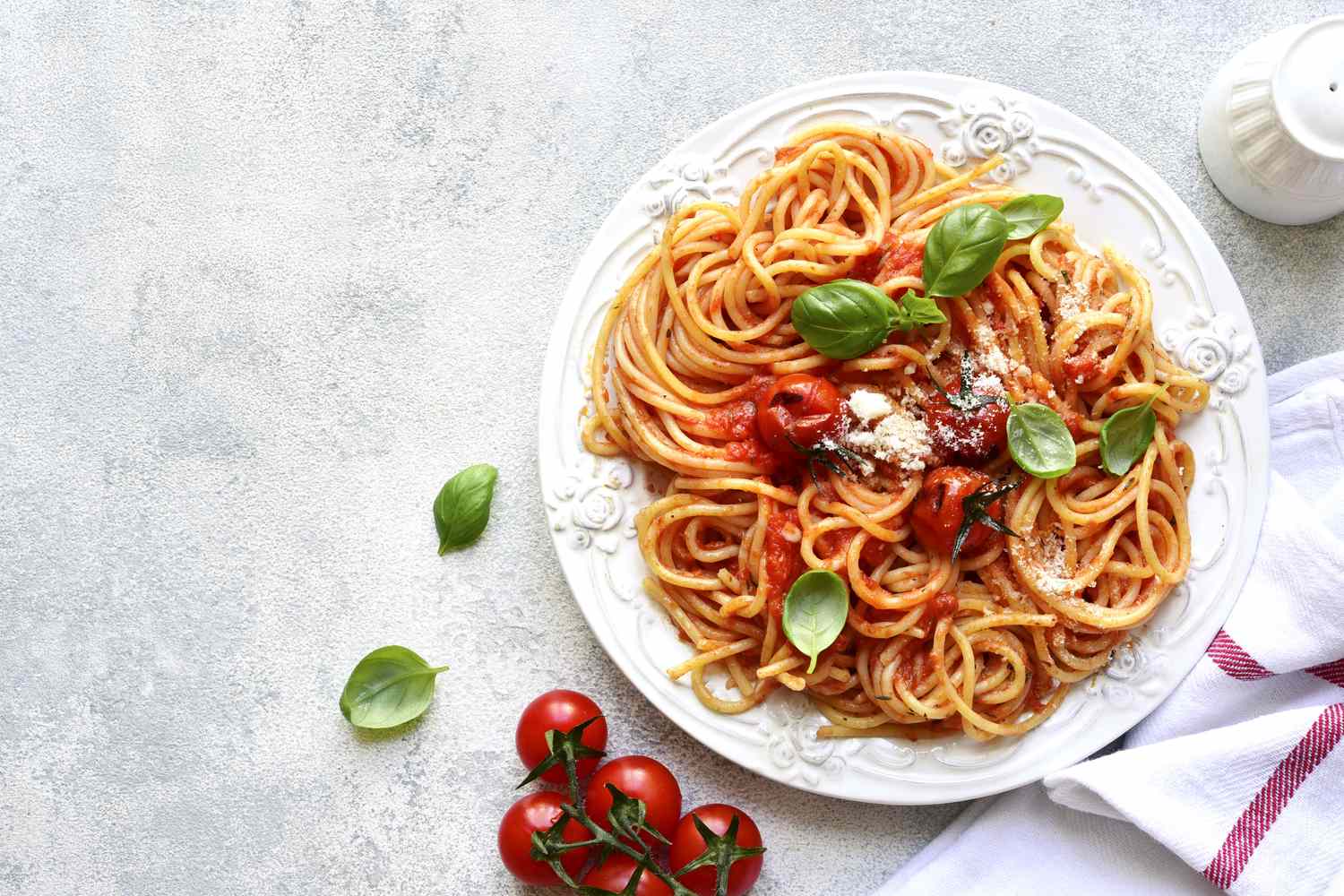
If you love tomato sauce, you’ll be happy to know that tomatoes are more nutritious when cooked. “Heat breaks down their cell walls, releasing and converting lycopene into a more bioavailable form,” explains Whittington. ICYDK, lycopene is a powerful antioxidant linked to heart health and lower inflammation levels, Whittington notes. Cooking tomatoes with a bit of olive oil enhances absorption even more, as lycopene is a fat-soluble compound. Try roasting, sautéing, or simmering tomatoes into a hearty sauce, or adding tomato paste to hummus, omelets, or soups. For a filling meal, make our Braised Fish with Spicy Tomato Sauce.
Asparagus
Credit:
PHOTO: FRED HARDY, FOOD STYLIST: EMILY NABORS HALL, PROP STYLIST: JULIA BAYLISS
“Asparagus becomes even more nutrient-packed when cooked, as heat enhances the availability of antioxidants like ferulic acid and vitamins A, E, and K,” shares Manaker. Vitamins A and E support vision and immune function, while vitamin K promotes healthy blood clotting and bone strength. There are also many ways to cook asparagus, but Manaker recommends roasting, grilling, or steaming the vegetable. From there, incorporate asparagus into salads or pastas, or serve it as a simple side dish with olive oil and lemon juice, Manaker suggests. It’s especially tasty in our recipe for Gnocchi with Spring Vegetables.
Kale
Credit: Antonis Achilleos
The nutrients in kale may be more bioavailable when cooked. “Heat helps release minerals like calcium and magnesium while breaking down its tough fibers, making it easier to digest,” Manaker says. However, it’s worth noting that cooking kale can reduce some water-soluble nutrients, such as vitamin C, notes Manaker. “To strike a balance, consider using gentler cooking methods like steaming or sautéing, which preserve more nutrients compared to boiling,” Manaker shares. You can also serve cooked kale with lemon juice or red bell peppers, which contain vitamin C.
Spinach
Credit:
Greg DuPree
Another vegetable that’s healthier when cooked is spinach. “Spinach is an excellent source of essential minerals like iron and calcium, but raw spinach contains oxalic acid, which binds to these nutrients and reduces absorption,” Whittington explains. But light cooking (think steaming or sautéing) breaks down some of these oxalates, making the minerals more readily available during digestion, Whittington points out. “Add sautéed spinach to eggs, fold it into pasta, or stir it into soups,” she recommends. The leafy green also shines in our Green Shakshuka—a one-skillet meal featuring eggs, artichokes, and frozen spinach.