
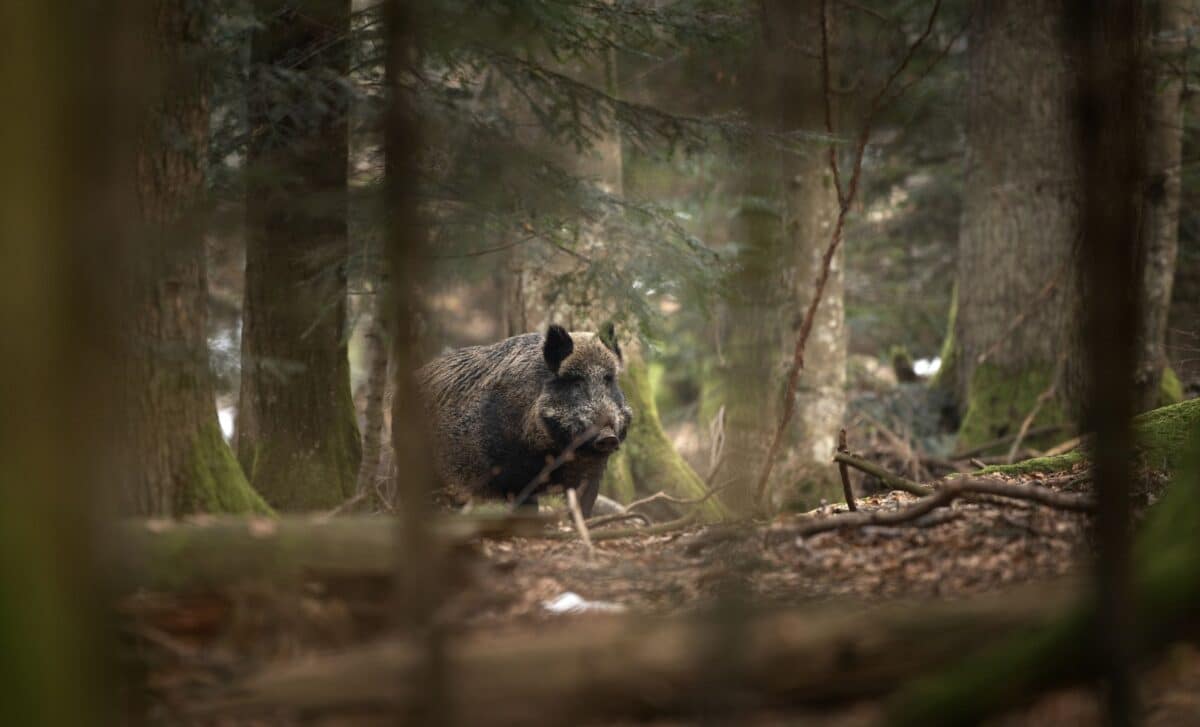
Some hunters in California made a seriously weird discovery: several wild pigs had neon blue fat under their skin. Reported by The Los Angeles Times, the strange find has sparked public warnings and raised real concerns about toxic contamination in the area. The bright blue color wasn’t caused by a lighting trick or a rare mutation. The unusual hue appeared only in the pigs’ fat, while the rest of the meat looked completely normal.
Poisoned Fat, Hidden Risks
The pigs were found in Monterey County by local trapper Dan Burton, who’s been dealing with wildlife for years—but even he had never seen anything like this.
“I’m not talking about a little blue,” he told Los Angeles Times. “I’m talking about neon blue, blueberry blue.”
After some digging, state officials figured out that the bright blue came from diphacinone, a rodent poison that’s often dyed for easy ID. As stated by the California Department of Fish and Wildlife (CDFW), this chemical works by stopping blood from clotting, which causes animals to bleed internally.
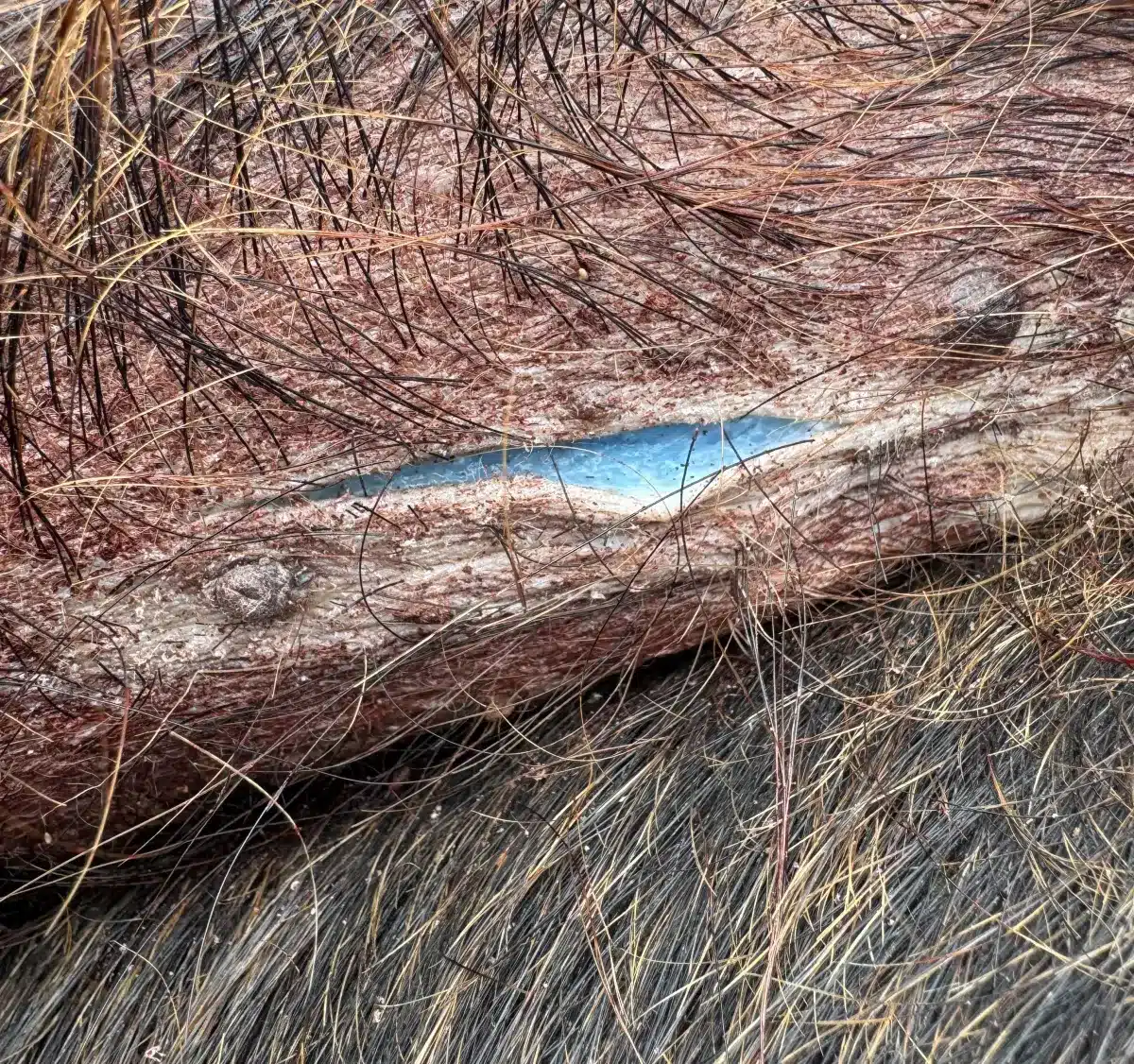 A trapping company in California recently caught wild pigs with bright blue fat and flesh under their skin. Credit: Dan Burton
It breaks down faster than newer rodenticides, but it can still hang around in an animal’s tissues, long enough to be dangerous to predators and even people who eat the meat. According to Ryan Bourbour, a pesticide investigator at the CDFW:
“Hunters should be aware that the meat of game animals, such as wild pig, deer, bear and geese, might be contaminated if that game animal has been exposed to rodenticides.”
When Local Wildlife Pays the Price
Diphacinone is commonly used in farming to control rodent problems, but even with new rules rolled out in 2024, it’s still hard to keep the poison from reaching animals it wasn’t meant for. Over time, traces of the chemical have shown up in mountain lions, bobcats, foxes, and even endangered species like the San Joaquin kit fox and the northern spotted owl.
Predators often get exposed without even touching the bait—just by eating prey that already has the poison in its system. And even when it’s used properly, the effects can spread through entire food chains.
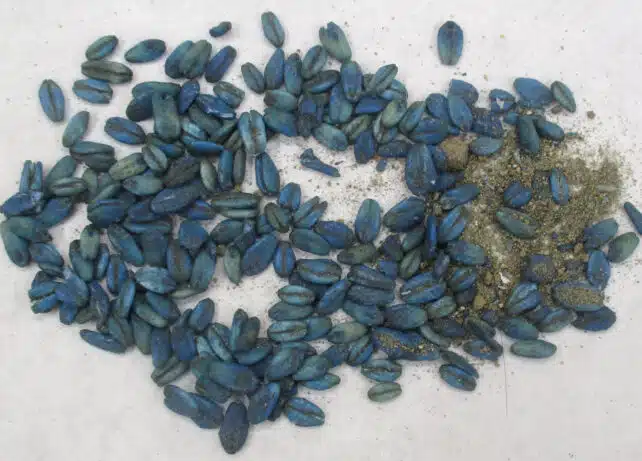 Bait containing rodenticide. Credit: CDFW
Wildlife experts have raised red flags for years about the long-term risks. Science Alert reports that animals poisoned by diphacinone frequently show no obvious signs until it’s too late, unless someone catches it early and gives them vitamin K as treatment.
Pushing for Safer Pest Control Methods
Calls for alternative pest control strategies have intensified in light of these events. As noted in the same source, integrated pest management, an approach that reduces reliance on chemicals, has been proposed as a more sustainable solution.
This includes the use of physical barriers, traps, and natural deterrents like essential oils or predatory species. CDFW has urged pesticide applicators to take extra precautions before setting rodenticides in areas frequented by wildlife.
“It is important to ensure non-target wildlife are not using the area where the pesticide is to be applied,” the department advises.
Proper bait stations and careful application can minimize exposure, but enforcement and awareness remain inconsistent.