
2025 was quite a year for the interior design world. Minimalism began to fall out of style, people color-drenched every wall and ceiling in their living rooms, and homeowners spent more time combing for vintage collectibles and rarities than ever before. All of these disparate trends can feel overwhelming to sift through, especially when looking toward 2026.
Next year will mark another shift in the interior design landscape, but also a confirmation of many more timeless themes. So while you won’t have to rearrange your entire household, it may be worth rethinking a few key décor pieces here and there. Ultimately, the most important trend is the one that speaks most to you and your happiness at home.
Neutrals, Reimagined
Credit:
Courtesy of Farrow & Ball
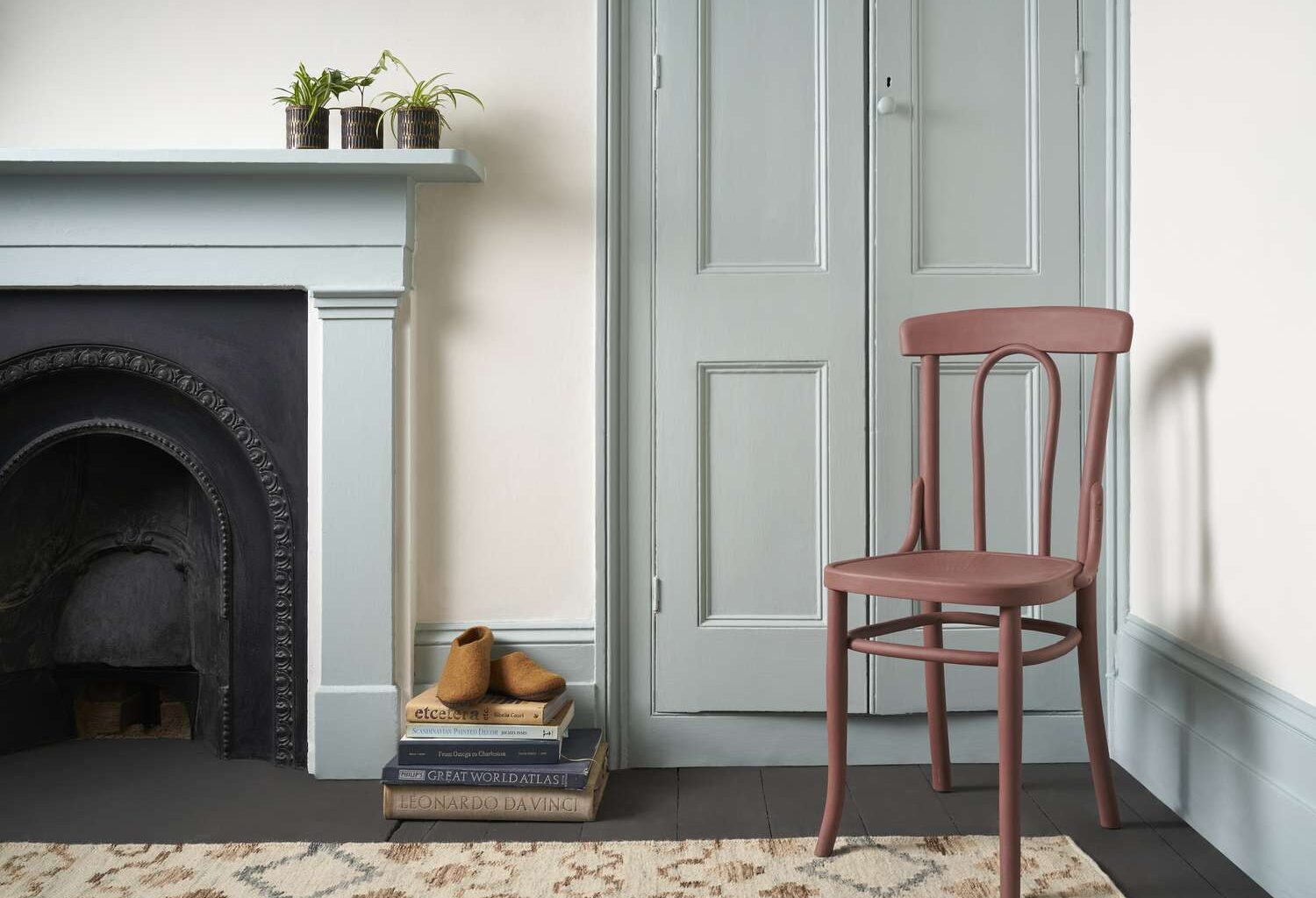
For many years, homeowners felt most comfortable painting their walls in neutral hues, namely variations of gray and beige. That play-it-safe philosophy is starting to change. Bo Hellberg, global chief marketing officer at String Furniture, notes that “rich blue is already popping up—also the faded, bright blue-gray.”
Now, we’re less afraid to experiment with different hues, whether it’s color-drenching a powder room in a subtle purple or adding green trim to a sitting room. Earth tones are taking the place of more subtle neutrals, with vibrant colors leading the charge toward a more experimental, exuberant home.
Warm Minimalism
Credit:
Zeke Ruelas
Minimalism as we once knew it is no more. The constant mantras of less is more and agonizing over what we must throw away are a thing of the past. Now, we’re looking toward a different, more of-the-times form of minimalism as a guiding light.
Warm minimalism carries over some of the same principles of clean lines and subtle décor, but with a more personal twist that also feels practical for day-to-day life. “It’s still about serenity, but with soul,” says Hellberg. “People want their homes to feel more than stylish—they want them to feel lived-in, comforting, and personal.”
Curated vintage objects, layered rugs, and other elegant, nuanced touches are perfect examples.
Outdoor Living Rooms
Credit:
John Merkl
Our outdoor spaces have become rooms all on their own. Depending on where you live, you may spend most of your year on the front porch or deck—it may even look more like an interior space than an exterior one. Seating has become more plush, and outdoor rugs are commonplace. You can even add smart lighting and outdoor entertainment features, like TVs.
The team at Loll Designs notes that it’s become “an extension of the home.”
Craftsmanship and Texture
Credit:
Marie Masureel
Vintage décor is bigger than ever, and with it comes a renewed appreciation for beautiful craftsmanship and unique textures. This movement extends to many different facets of the home, whether it’s a shelf full of one-of-a-kind ceramics or a handmade rug.
Plaster is another example. “These tactile surfaces are appearing throughout the home on walls, ceilings, and even within bathrooms—from lime wash paints and micro-cement to traditional Venetian plaster,” says Rachel Thompson, partner at Northworks. “It brings depth, warmth, and an artisan quality.
Hellberg notes that this shift is part of a “craftsmanship revival connected to the longer trend of blending antiques, heirloom pieces, and vintage lighting with contemporary design.
Maximalism and Experimentation
Credit:
Avery Nicole; Design: Sarah Stacey Interior Design
It may sound daunting, and it may not suit everyone, but there’s no denying that maximalism is on the rise. 1stDibs recently surveyed over 450 interior designers for its annual trend survey, and the resounding conclusion was that maximalism and eclecticism have become the most-requested styles.
This shift towards bolder, more experimental design shouldn’t come as a surprise. Many are looking at homes as a way to express themselves, similar to how fashion is perceived. That perspective change has fueled bolder color choices, pattern-on-pattern living rooms, and much more.