
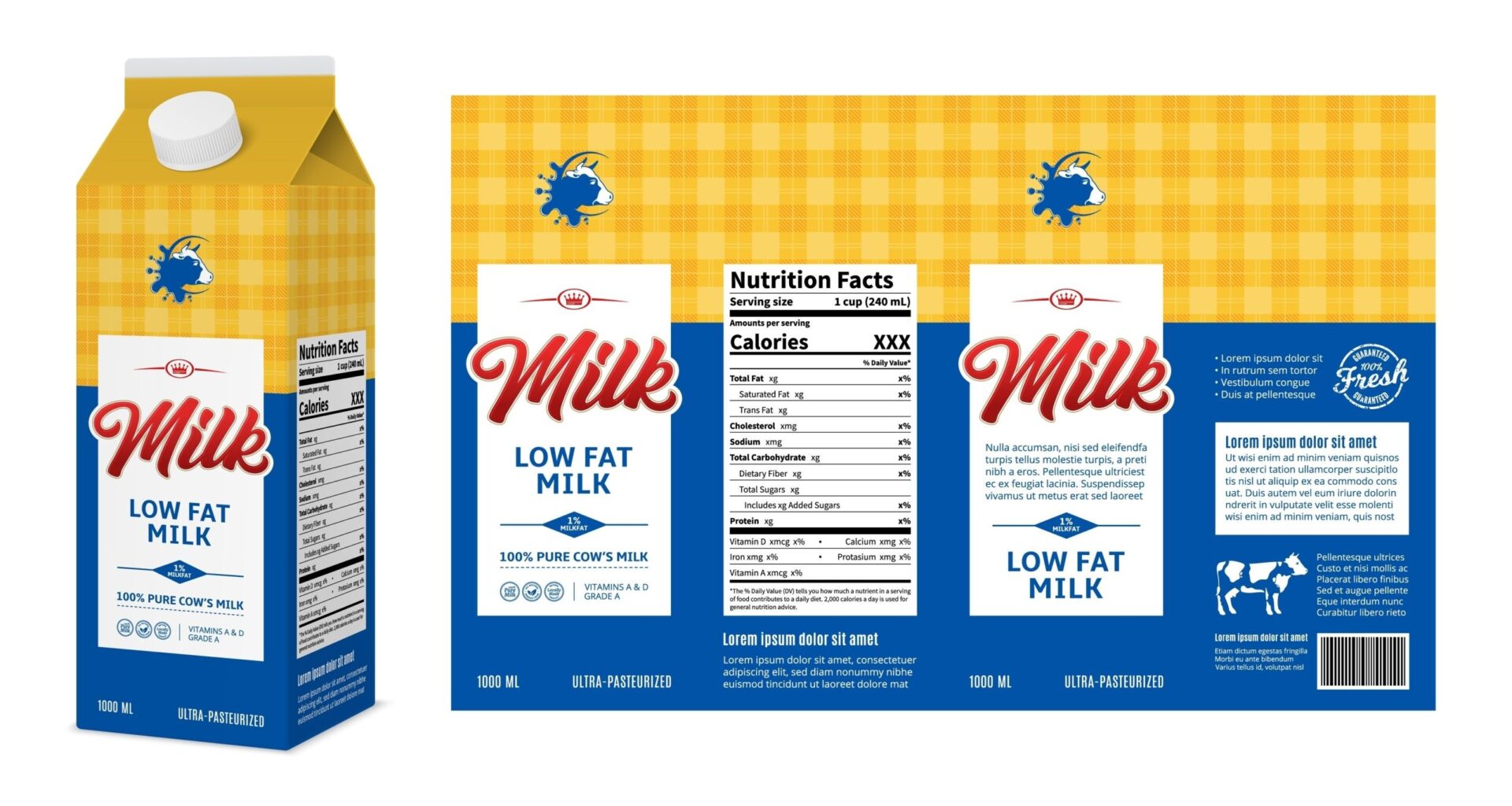
Products must clearly show correct weights, volumes, or counts, and packaging must meet legal size standards. / Credit: Vlad Klok via Shutterstock
The UK’s Product Regulation and Metrology Act 2025 introduces new rules on how goods must be packaged, labelled, and sold. Although the Act was passed in July 2025, its main provisions come into effect on 1 January 2026.
Businesses across the packaging supply chain now have several weeks to prepare for compliance, ensuring accurate product measurements, legally compliant pack sizes, and clear consumer-facing information.
 Discover B2B Marketing That Performs
Combine business intelligence and editorial excellence to reach engaged professionals across 36 leading media platforms.
These obligations work alongside the UK’s Extended Producer Responsibility (EPR) scheme, which requires companies to report packaging data and assess recyclability.
What the new UK law requires from packaging
The Product Regulation and Metrology Act 2025 sets out rules for how product quantities are expressed and declared on packaging. Every packaged item must show accurate weight, volume, or unit count.
Labels must be clear, legible, and correctly reflect the contents of the packaging. Mislabelled or incorrectly sized packaging could lead to fines or enforcement action once the law comes into force.
Producers and packaging suppliers are advised to review all labelling, measuring, and packing processes. Quality assurance must ensure that products are filled correctly and that declared quantities match the actual contents.
Detailed records and documentation will be critical for proving compliance during inspections or audits.
The Act also allows the Secretary of State to issue further regulations, meaning additional requirements on packaging formats, labelling standards, or size thresholds could be introduced in the future.
The role of extended producer responsibility
The UK’s EPR scheme, introduced in January 2025, operates alongside the Metrology Act. Obligated producers must report the types and volumes of packaging they place on the market and pay fees based on recyclability.
This adds a new layer of accountability for manufacturers, retailers, and online marketplaces.
For packaging businesses, this means ensuring that every pack’s material, weight, and size are recorded accurately. Companies must track packaging from production through to sale, and factor recyclability assessments into design decisions.
The combined effect of the Act and EPR is to improve transparency and encourage more sustainable packaging practices across the supply chain.
Preparing for compliance
Companies should take immediate steps to review and update packaging practices in anticipation of the 1 January 2026 enforcement date. This includes verifying the accuracy of declared quantities, checking labelling clarity, and auditing packaging sizes against the Act’s requirements.
Businesses under the EPR scheme should ensure that their reporting systems are ready and that data on packaging volumes and recyclability is complete and accurate.
The new UK rules mark a significant shift in how packaging is regulated. From 2026, packaging will not only serve as a container for products but will also be a regulated element of the product itself.
Early preparation will help companies avoid penalties, maintain consumer trust, and align with growing expectations around transparency and sustainability.

Sign up for our daily news round-up!
Give your business an edge with our leading industry insights.
Packaging Gateway Excellence Awards – The Benefits of Entering
Gain the recognition you deserve! The Packaging Gateway Excellence Awards celebrate innovation, leadership, and impact. By entering, you showcase your achievements, elevate your industry profile, and position yourself among top leaders driving packaging industry advancements. Don’t miss your chance to stand out—submit your entry today!