
The fashion industry, like many other creative sectors, has seized on generative AI tools which can create images and video in seconds as a way to cut production and promotion costs.
It has also been cited as an opportunity to examine how new and emerging tech can enhance key processes like design, manufacturing and sizing.
But doing so has also given rise to concern its increased adoption may displace human workers, or reduce the quality of fashion products.
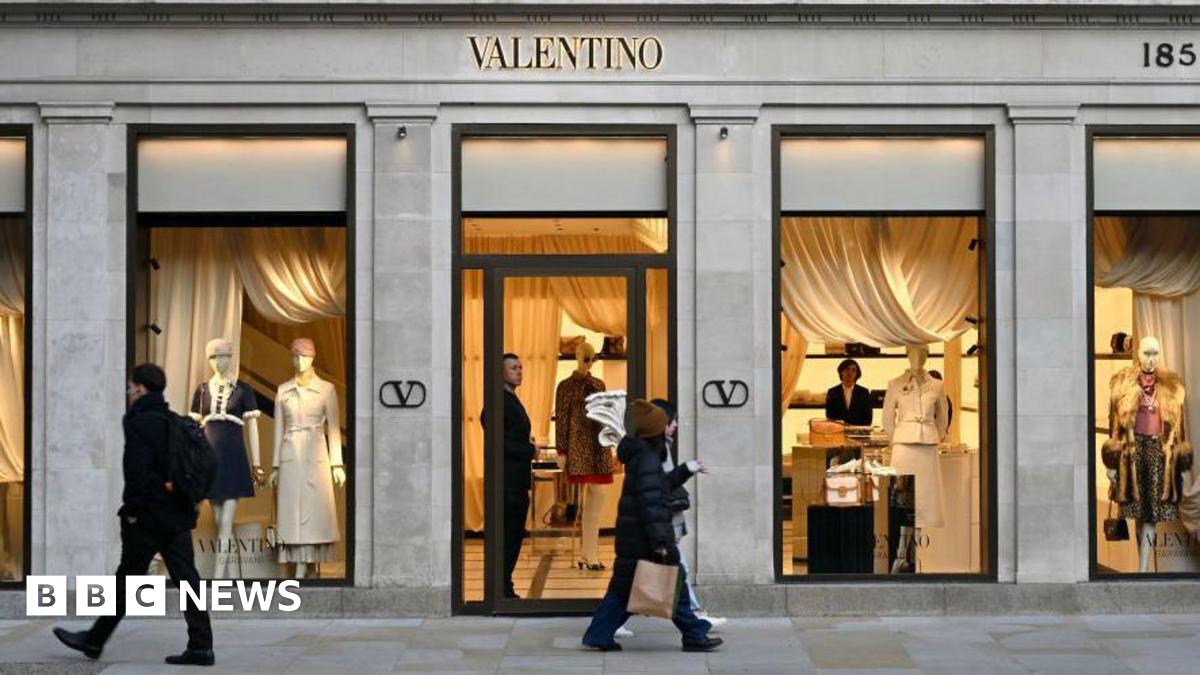
Anne-Liese Prem, head of cultural insights & trends at creative digital agency Loop, said although Valentino was showing “the right instinct” by being upfront about the generative AI use, backlash to it showed “a deeper cultural tension”.
“The main issue is not the technology itself – it is the perception of what the technology replaces,” she told the BBC.
“When AI enters the visual identity of a brand, people worry that the brand is choosing efficiency over artistry.
“Even if the execution is creative, audiences often read it as cost-saving disguised as innovation.”
H&M’s use of AI to create “digital twins” of models for ads and social media posts sparked criticism about its effect on human models, as well as on photographers and make-up artists who play a key role on shoots.
Meanwhile, an AI-generated Guess advert spotted in Vogue earlier this year raised concerns about its impact on female beauty standards.
Ms Prem said while there were clear benefits and “new creative possibilities” for brands using AI, “the risk is equally clear”.
“Without a strong emotional idea behind it, generative AI can make luxury feel less human at a moment when people want human presence more than ever,” she said.