

A breakthrough new vaccine spray could be the first to stop spread of the deadly whooping cough infection, which causes infants to ‘turn blue’, after a horror outbreak
00:00, 03 Dec 2025Updated 07:08, 03 Dec 2025
 New BPZE1 vaccine could be the first to stop the bacteria spreading (stock)(Image: Getty Images/iStockphoto)
A new vaccine is being developed against whooping cough after a devastating outbreak killed 11 babies.
It comes after Britain was hit by the worst outbreak in 40 years during 2024 as patients reported violent coughing fits that proved dangerous to the young and elderly. To stop a similar outbreak taking hold again the Government is launching a national clinical trial to develop a nasal spray which would be the first vaccine which can stop whooping cough bacteria from living in the nose and throat.
Initial trials of the new vaccine, called BPZE1, show it appears to stop the spread of infection. Currently, the NHS offers an injectable vaccine to pregnant women to protect babies in the womb but this cannot stop people from carrying and spreading the bacteria.
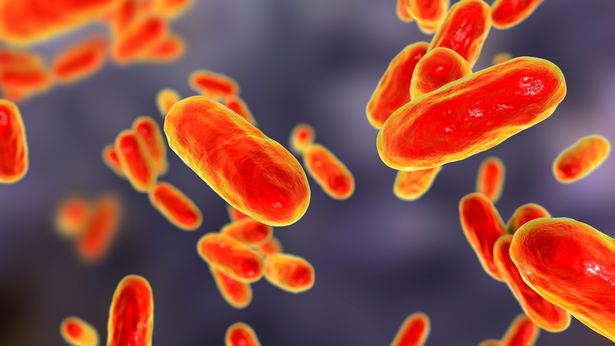 Whooping cough, officially called pertussis, is one of the most contagious bacterial infections(Image: Getty Images/Science Photo Library RF)READ MORE: Baby dies from whooping cough as UK death toll reaches 10 amid vaccination drop-offREAD MORE: UK’s worst whooping cough outbreak for 40 years ‘could be start of new epidemic’
Whooping cough spreads very easily and there were around 15,000 cases reported in England in 2024, up from 856 the year before. Last year’s outbreak killed 11 babies. A further 11 deaths occurred in older individuals, most aged over 60 years and all with more than one cause of death documented.
People who catch whooping cough are contagious for up to three weeks after the coughing starts.
Early Signs
The first signs of infection are similar to a cold, such as a runny nose and sore throat, but after about a week, the infection can develop into coughing bouts that last for a few minutes and are typically worse at night.
Young babies may also make a distinctive ‘whoop’ – a gasp for breath between coughs.
But some adults and young babies do not make this noise which can make the condition harder to recognise.
 Some babies make a distinctive ‘whoop’ sound (stock)(Image: Getty Images/Science Photo Library RF)Symptoms
A violent cough is a direct symptom of whooping cough, with coughing spells that can last for minutes and may lead to vomiting or a red face.
The NHS says whooping cough is less severe in older children and adults but coughing may cause problems including sore ribs, hernia, ear infections and pee leaking out when you cough.
Adults can “become very red in the face” and the cough may last for several weeks or months.
 Whooping cough causes a violent, prolonged cough(Image: Getty Images/iStockphoto)Danger Stage
Difficulty breathing is the danger and for infants there is a risk of stopping breathing entirely.
The NHS website says children “may have difficulty breathing after a coughing bout and may turn blue or grey (young infants)”. It also warns that sufferers “may bring up a thick mucus, which can make you vomit”.
Babies under 12 months old with whooping cough have an increased chance of having problems such as dehydration, breathing difficulties, pneumonia and seizures.
 Whooping cough bacteria(Image: Getty Images/Science Photo Library RF)When to call 999If you or your child’s lips, tongue, face or skin suddenly turn blue or grey (on black or brown skin this may be easier to see on the palms of the hands or the soles of the feet)If your child is having seizuresIf you or your child are finding it hard to breathe properly (shallow breathing)If you or your child have chest pain that’s worse when breathing or coughing – this could be a sign of pneumonia
Following the major whooping cough outbreak in 2024, infection rates are much lower this year. NHS England data shows there were 896 cases between January and June, compared to 15,153 in the same period last year.
The Champion-1 study for the vaccine, developed by ILiAD Biotechnologies, included 53 adults and was published in The Lancet Microbe journal. If the findings are confirmed in further trials and the new vaccine is approved, it could be given to adults or children.
The new trial is backed by the National Institute for Health and Care Research (NIHR), which is funded by the Department of Health and Social Care.
Professor Robert Read, who led the study at the NIHR Southampton Biomedical Research Centre, said: “This is the first time a whooping cough vaccine has been shown to prevent the bacteria from colonising the nose and throat in humans. That could represent a big step forward in stopping the spread of the disease.”