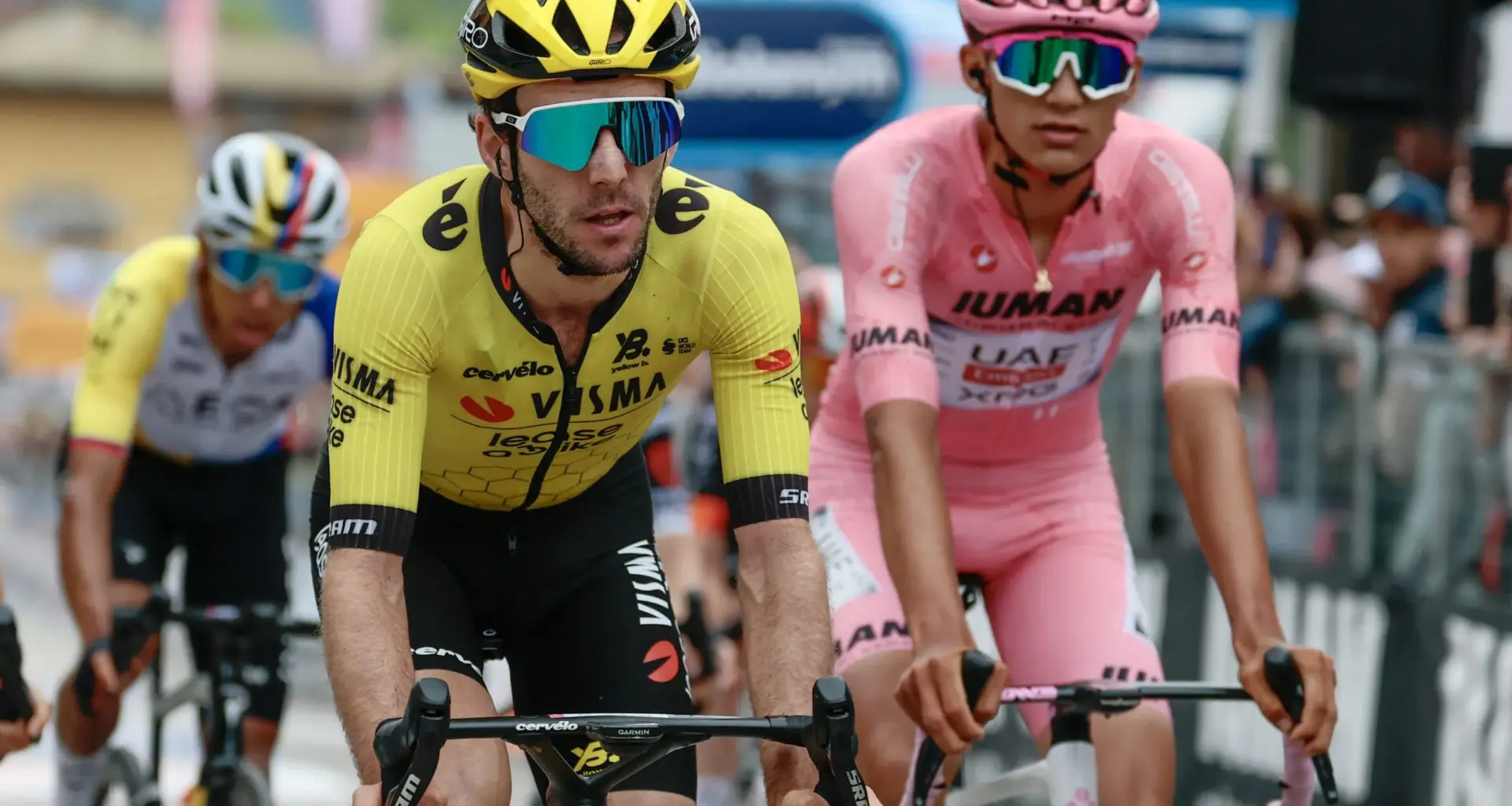
The parcours – or, should I say, percorso – for the 2026 Giro d’Italia has now been revealed.
In true Giro form, the 2026 edition kicks off overseas in Bulgaria on Friday 8th May. From there, the riders will weave their way through the Balkans before travelling over to the mainland, where they will be met with the usual Giro shenanigans. An early visit to Blockhaus, a double ascent of Piancavallo and a Passo Giau-headlined queen stage have caught the attention after the reveal yesterday, along with the news of a sole 40km individual time-trial.
It’s unlikely Tadej Pogačar will take to the start line in Bulgaria. So instead of Pog-proofing like the Tour’s route designers, their Italian counterparts have had to try and entice the likes of Jonas Vingegaard and Remco Evenepoel to take the flight over to Bulgaria next May. However, their best efforts have been met with some disgruntlement online, with fans seemingly disappointed with the final result: another back-loaded race.
So, what do we make of the 2026 Giro route? Is it Remco-friendly, toned down or primed for another Finestre-style turnaround?
Related questions you can explore with Ask Cyclist, our AI search engine. If you would like to ask your own question you just need to , or subscribe.
What we’re working with
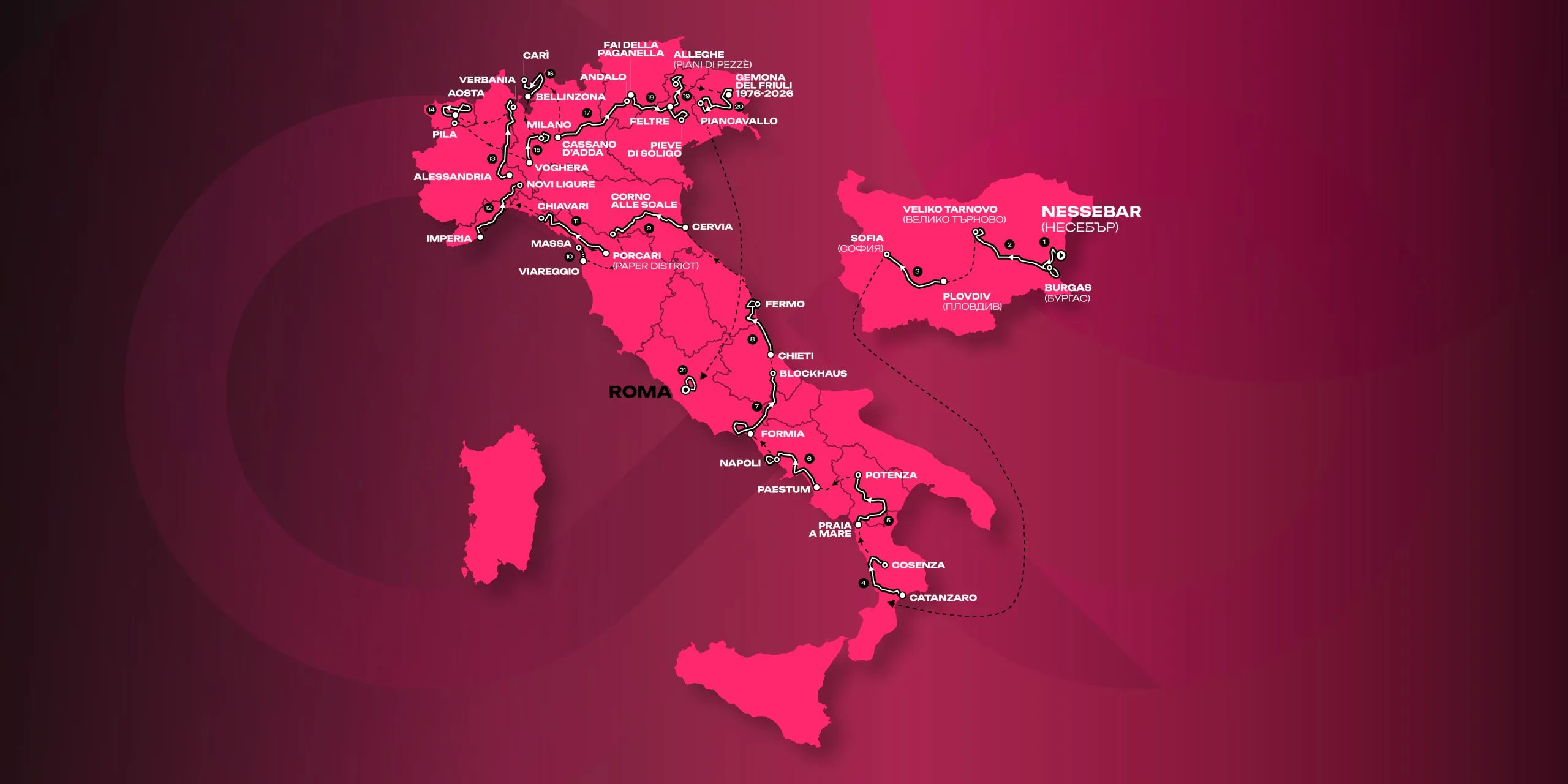
The 2026 Giro begins on the Black Sea near Burgas, Bulgaria’s third-biggest city. A sprint stage opens the Corsa Rosa’s Balkan excursion, before two more road stages in the Balkans, ending up in capital Sofia on Stage 3.
After a long transfer to the Italian mainland during the race’s first rest day, the first week features a real mix of profiles. The main talking point, however, is Stage 7’s mammoth 246k-long route through the Abruzzese mountains, with the race’s first summit finish atop Blockhaus. Just two days later, there’s another summit finish to tackle at Corno alle Scale, which lurks just behind Florence.
The race’s only time-trial kicks off the second week, with 40km against the clock on dead flat roads along Tuscan beaches. We remain on the Adriatic coast for transitional days on Stages 11 and 12 before heading north towards the Alps. Stage 14 offers the second week’s only summit finish, this time up to Pila.
The race’s final week offers more peaks, starting with a 100% Swiss course to Carì on Stage 16. We put a pin in the mountain fun as the peloton heads east to the Dolomites, where the final mountain passes will determine the GC state of play. Stage 19 is considered the queen stage, featuring the Passo Duran, Passo Giau and Passo Falzarego. If the 5,000m of climbing on Stage 19 doesn’t crown our winner, the final mountain stage concludes with a double ascent of Piancavallo. It’s hardly the iconic name to rival Alpe d’Huez or Mont Ventoux at next year’s Tour de France and Tour de France Femmes, but it’ll conclude the GC contest before a final procession in Rome.
This means the race will feature eight sprint stages, six medium mountain days and six mountain stages – all with uphill finishes. This is paired with the 40km individual time-trial to take the total length to 3,459km, the longest overall Giro route since the pandemic. The total elevation gain for the three-week race comes to 49,150, a 10% decrease from last year and a roughly 5,000m reduction on the 2026 Tour de France parcours.
Sprinters clean up with eight flat stages
 Luca Bettini / AFP
The sprinters have something of a leg-up at next year’s Giro.
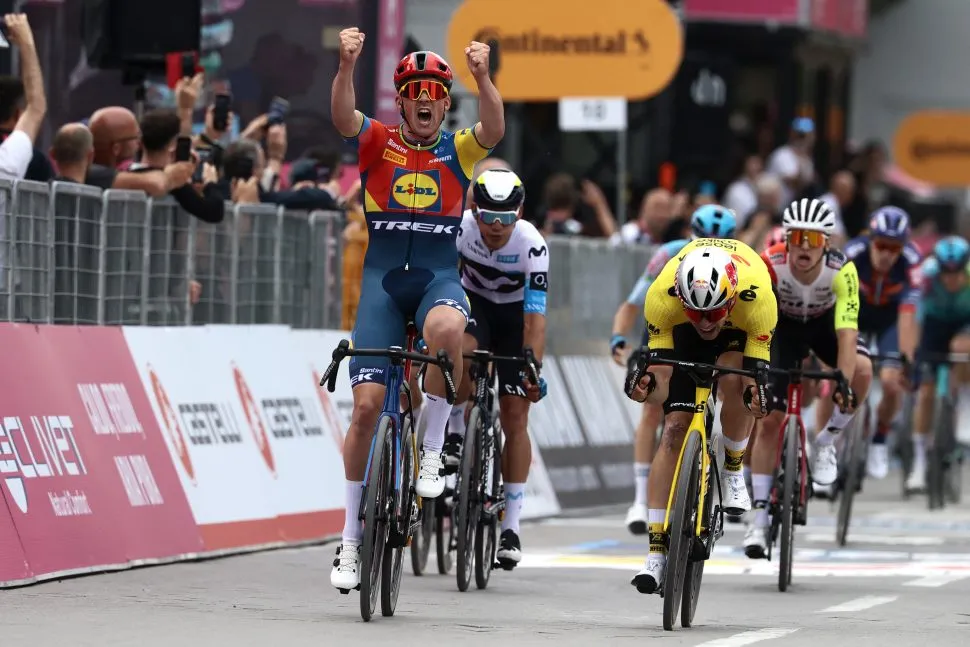
Firstly, they’ll get the chance to fight for the maglia rosa at the end of Stage 1, much like last May when a bunch gallop offered Mads Pedersen the first pink jersey. Then, it’s likely the sprinters will divvy out the pink jersey among themselves until Stage 5 at least, courtesy of a series of flatter profiles in the Bulgarian and Calabrian opening chapter of this race.
Chances are we’ll be getting fed up with seeing the same five names throwing their bikes to the line. I know I got fed up with that (or, rather, Pedersen) this year.
With eight dedicated flat stages throughout the race, the Corsa Rosa should have no trouble attracting some of the top fastmen, chiefly Italian star Jonathan Milan. Alongside the pink jersey possibility in Bulgaria, the sprinters will have the chance to pick up wins in cities like Naples and the strange premature circuit in Milan on Stage 15. Not to mention the flat procession into Rome on the final day.

Botched mountain stages
 Tim de Waele/Getty Images
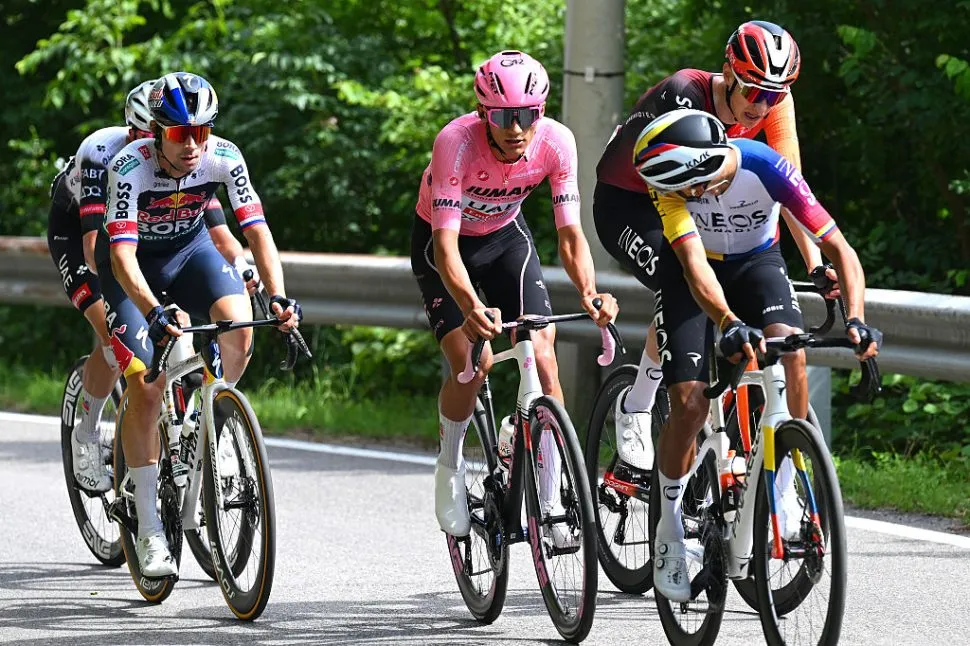
To fill in the gaps between the eight flat stages, the organisers have thrown in just six mountain stages at next year’s Giro.
A 246km-long mountain stage during the first week will be intriguing to watch, but I doubt it’ll create all that many gaps due to its early placement. The first summit finish rarely decides the GC, but it feels as though the Giro is throwing a lot at this stage to make it pivotal, even though plenty of factors are already out of place – not least the truncated ascent up Blockhaus and mindboggling stage length.
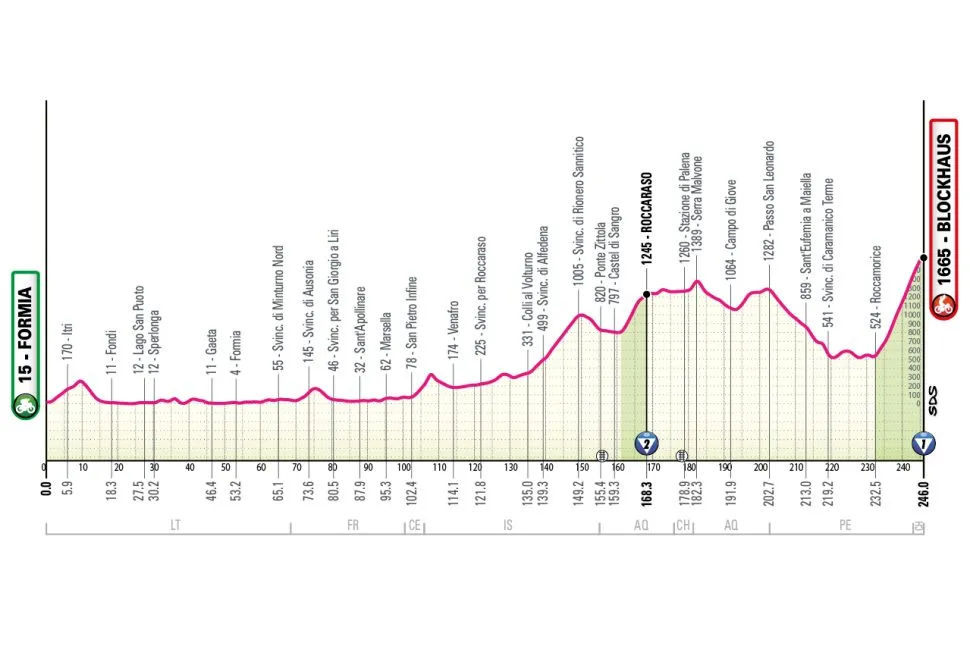 The seventh stage sees the first summit finish of the 2026 Giro. At 246km in length, however, will anyone have power left in the tank to go for glory?
The second summit finish in the opening week is underwhelming for different reasons, mainly due to a complete lack of build-up before the final climb. Haven’t we learnt that unipuerto stages don’t create race-deciding gaps?
While the second week is filled with directionless road stages – more on that to come – Stage 14 at least does a good job of serving up a proper mountain stage. However, not achieving this in the Valle d’Aosta – essentially a corridor of Alpine tests – would be near impossible. It’ll just be up to the riders whether they dare to burn up their resources before the mountain-filled final week.
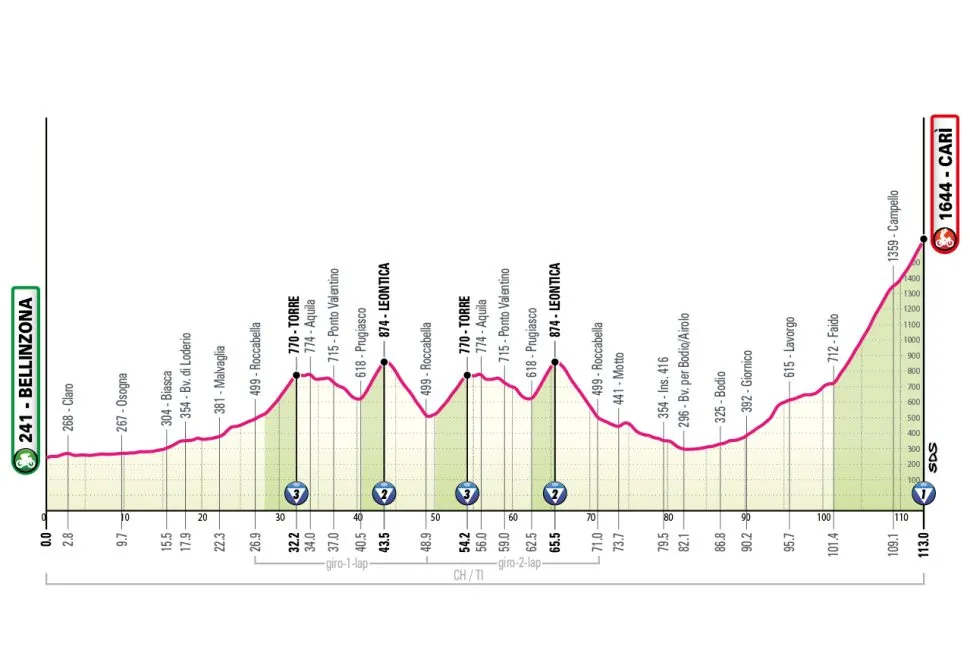 Midway through Stage 16, the riders will tackle an inconsequential set of hills in a neighbouring valley to the final climb to Carì
Stage 16 is a huge disappointment, on the other hand. Having sold the Giro off to Switzerland for a day, the route sticks to valley roads before a couple of speed bumps in the middle of the day, but nothing quite like the towering Alps nearby. A real waste if you ask me, especially with San Gottard and Furka Passes less than 50km away. With their help, this stage could have been a real tale of team attrition.
Even the final mountain stage has me let down. Yes, a double ascent of Piancavallo is a nice enough hook for viewers, but the profile is pretty bare to my eyes. Piancavallo does a good job at filling up the course, but there’s nothing to separate the bunch between the two ascents, nor is there anything noteworthy before the opening test. It’s not like this corner of Friuli is lacking mountains.
Uninspired transitional stages (and second week)
 Dario Belingheri/Getty Images
I’ll admit, the Giro’s got a bit of a habit for phoning it in when it comes to week two. Often the route designers will use this time to allow themselves to indulge in all the culinary, business and touristic quotas needed to make those all-important Grand Tour KPIs. The race is a multi-billion Euro asset to the Italian tourism industry after all.
This year is no different. Yes, we’ll get to soak in the Tuscan coast, Cinque Terre, Lago Maggiore and central Milan, but this at the cost of the racing. In other words, we’re left to absorb touristic subliminal messaging until we reach the next mountaintop challenge.
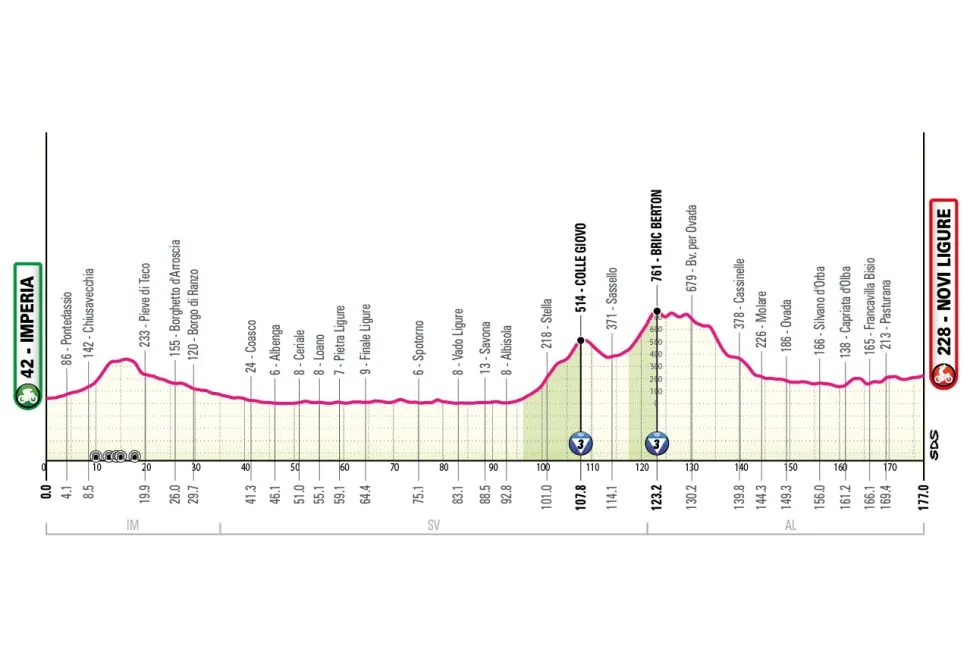 Yes, we need stages for the breakaway, but there are at least four that look identical to this [Stage 12]
In pure cycling terms, there’s little to keep my interest piqued between Stage 10’s time-trial and Stage 14’s grand adventure through the Valle d’Aosta. Likewise, the transitional stages during the final week are just as uninspired. There’s the typical final week sprint and breakaway day to keep them pacified before an inevitable showdown in the mountains. It’s all very formulaic.
There are no rogue Classics-like profiles or true medium mountain stages akin to any in the Massif Central or Beaujolais at recent Tour de Frances. Instead, each one looks like a stale copy of the other.
Why though? Italy’s got the terrain for these kinds of profiles. I mean, it wasn’t uncommon for the Giro to have transitional days of well over 3,000m of elevation gain. This year, none of the classified hill stages crosses that barrier. Again, it’s a wasted opportunity for GC action and for a captivating battle for stage honours.
GC action too condensed
 Zac Williams
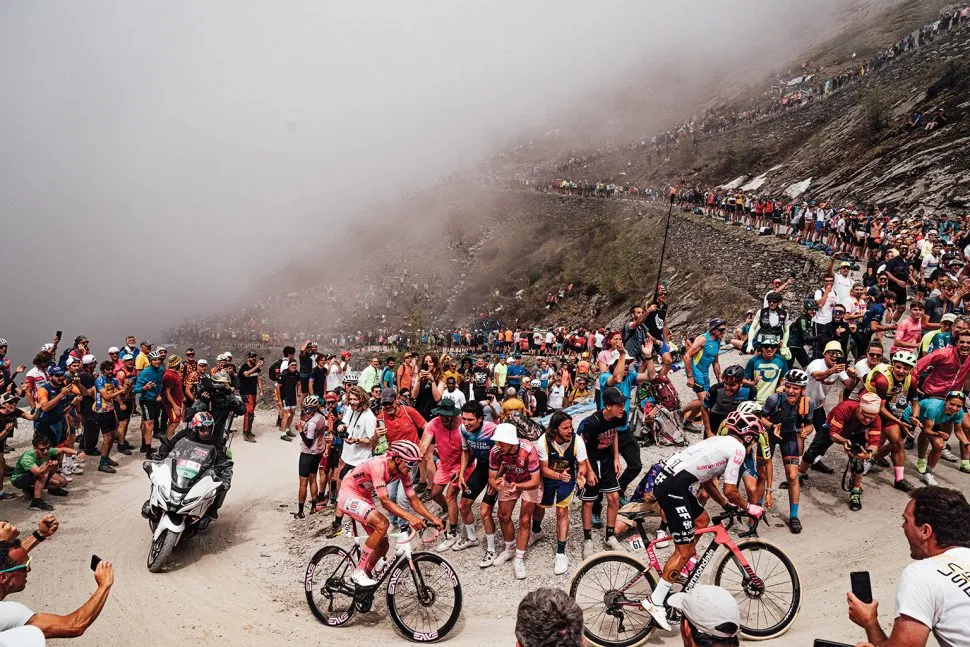
The Giro has often been slated in recent years for being too backloaded and concentrated on the final week. While this may create some big explosions, like Yates’s Finestre raid, Roglič’s Monte Lussari comeback and Hindley’s Marmolada attack, the race has been won on a single day all too often in recent years. Instead of creating a three-week-long narrative, the decisive action gets packed into a single stage or two.
Given all of the factors mentioned already, next year’s Giro seems to follow a similar formula. Perhaps the race organisers are hoping for another humdinger like 2025’s final week, but the upcoming Giro’s parcours seems all too focussed on the outcomes of two stages: the time-trial and Stage 19. I find it hard to imagine the race being won anywhere else.
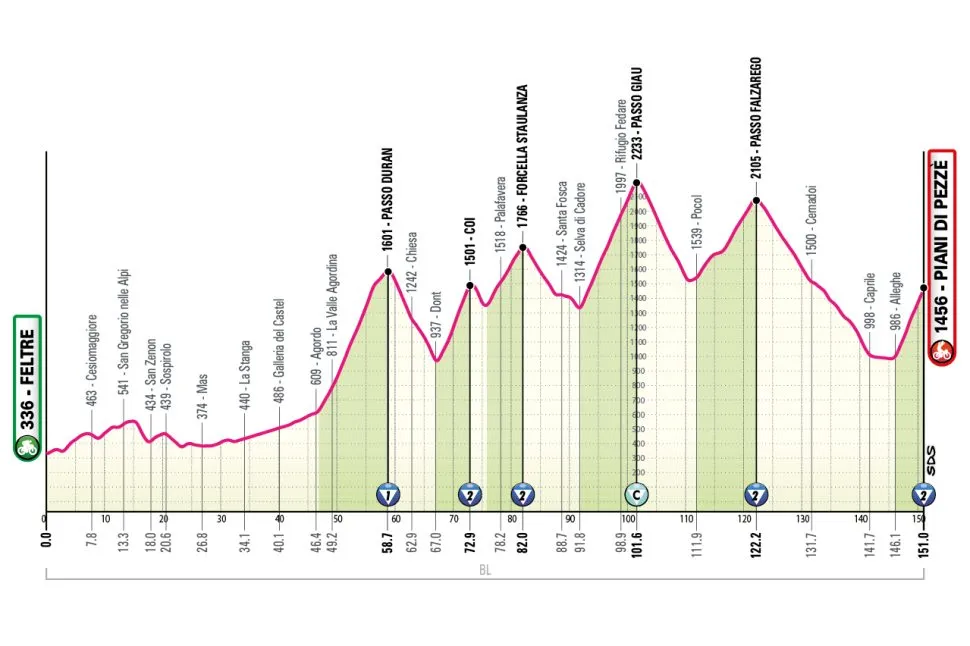 Stage 19 begs 5,000m of elevation gain across six Dolomites, including the final rise to Piani di Pezzè
A 40km TT is bound to create seismic gaps. It’s the longest flat TT we’ve seen at a Grand Tour since the 2010s, no less. After some meek-looking summit finishes, a time-trial of that length will no doubt create a clear-cut hierarchy, which should help to sterilise the race as it forms some form of sporting order.
Elsewhere though, it feels as though riders will be required to leave something in the legs for Stage 19’s monstrous challenge. We’ve seen it before, riders are long-sighted, not impulsive. They’ll hold something back for the queen stage, which could hamper the days prior. In that case then, the route is almost too reliant on there being a Blockbuster plot twist on the Passo Giau.
Not to be a party pooper here, but there’s also a real possibility for Stage 19 to get shortened or altered altogether if the weather doesn’t play ball. I mean, that was the case the last time the race tried to cross the Passo Giau back in 2021.
What’s the verdict?
 Marco Zac/NurPhoto via Getty Images
It’s a rather frustrating route for me. On the whole, there are more misses than hits, especially knowing what’s nearby the parcours.
Although I’m glad the TT specialists have their time to shine, serving 40km worth of time-trialling on one day feels like a poor decision for the race as a whole. It’ll create big gaps in one go, and settle the race into a rhythm, which could render the second week more drab than it already looks on paper.
More importantly, the mountain stages feel poorly designed, with too much of an emphasis on suspending the GC throes for the final Dolomite weekend, even if that means dampening the action earlier on, or softening hilly stages in between. Stage 19 might be well-crafted, but Stages 7, 9 and 16 leave a lot to be desired. That aside, where are the Giro classics? Seriously, where are the Stelvio, Mortirolo, Gavia or Monte Zoncolan?
Overall, I can’t see this Giro being decided on a daily basis. Instead, I think this will feel like 2022 or 2023. The maglia rosa will be decided on the two final stages. This is the kind of parcours that allows for the script to be completely flipped in its final week. If that happens, we’ll be praising the organisers, but it won’t erase the mind-numbing build-up. Remember the first two weeks of the 2023 Giro? I doubt it.
Yes, this is a route that could suit Remco Evenepoel, as it would Jonas Vingegaard in all honesty. Will they be willing to spend three weeks rolling through Italy in the wake of sprinters and breakaways, twiddling their thumbs until the time-trial and big Dolomite finale? Sounds like a stress-free way to win a Grand Tour if you ask me.
For this to pay off the race will need more than one surefire contender on the startline.