
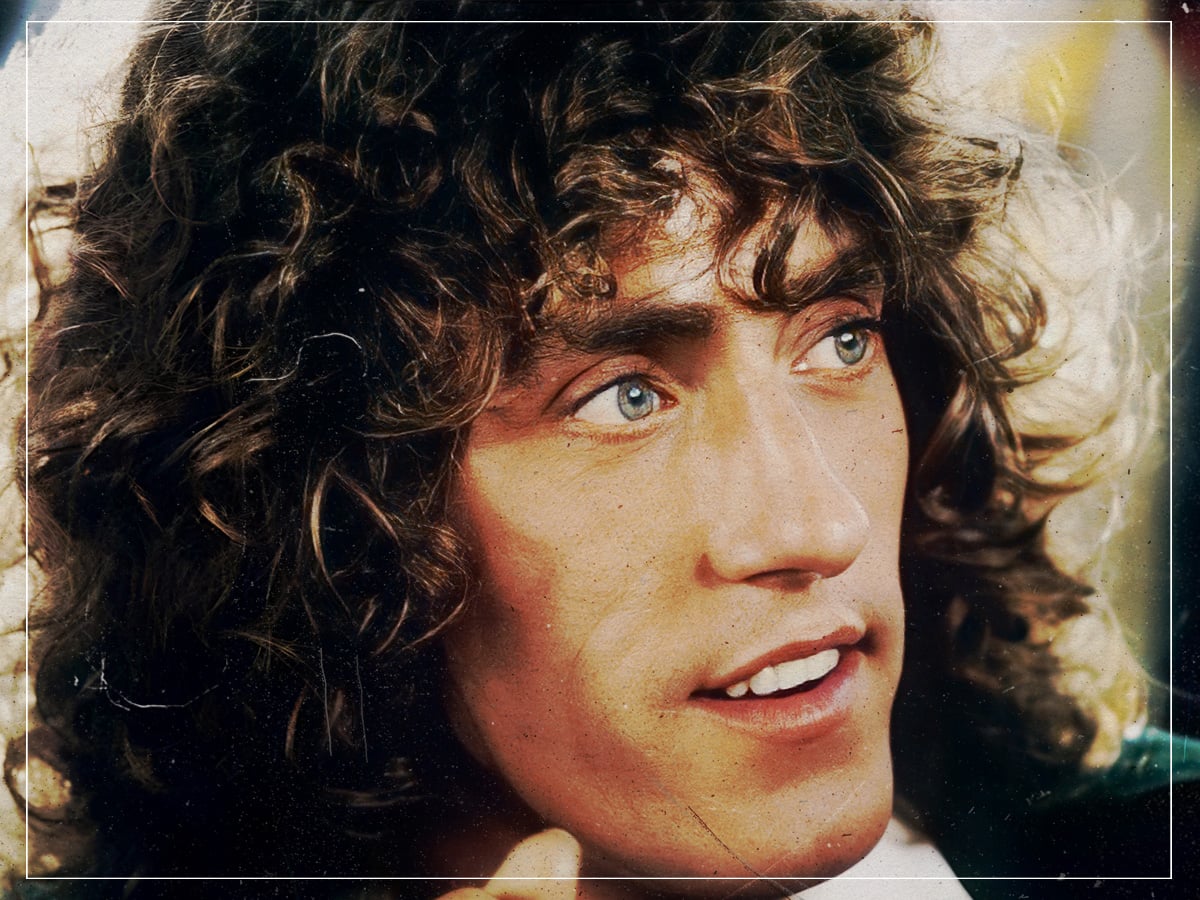
(Credits: Far Out / Alamy)
Wed 3 December 2025 10:00, UK
Live performance is the pinnacle of rock and roll expression, but for a band like The Who that always prized itself on raucous, anarchic live gigs, the issue of trying to recapture that same energy within the plush confines of a studio was a tricky thing to navigate, particularly in the mind of Roger Daltrey.
Going right back to their early days, performing for legions of spotty, sweating mods in the nightclubs and R&B dancehalls of 1960s London, The Who always seemed to have a knack for live performance. Indeed, if you look at the kind of stagecraft that arrived with the advent of punk and alternative rock years later, Pete Townshend’s windmilling and Keith Moon’s explosive drum kit are never too far away.
That anarchic style did throw up a litany of problems for the band, though. Namely, unless you have an incredibly understanding recording studio at your disposal, you can’t go around smashing up amplifiers and blowing things up during the recording process. So, from the very beginning of The Who’s recording career, they struggled to translate their spectacular shows into the grooves of an LP and, if anything, the issue only became worse as the band’s sonic journey progressed.
In opposition to many of their 1960s peers, Townshend and the gang were always on the move, refusing to root themselves to any one particular sound. By the time the decade came to an end, they were already deeply entrenched in the profundity of rock operas like Tommy, and had long since adopted a kind of proto-hard-rock sound, beautifully evident in the legendary live album Live At Leeds.
Aside from making every subsequent record a live album, though, this newfound direction only drummed up a litany of new issues within the record process. “The four walls of a studio could never contain us,” Roger Daltrey affirmed to Classic Rock in 2004. “That was the trouble. The personalities and performances were just too fucking big, and it was very difficult to do The Who justice in the studio for some reason.”
“Even Who’s Next feels like we’re all constrained,” the frontman continued, namedropping the band’s iconic 1971 effort in the process. “Even though they’re great performances, you can still hear the constraints of the studio,” he added. “But hear it played live and it’s explosive.”
In fairness to Daltrey, Who’s Next is among the band’s most explosive efforts, and even today tracks like ‘Won’t Get Fooled Again’ still form ultimate highlights of their live shows. It is worth noting, however, just how essential the studio work was in the formation of tracks like ‘Baba O’Riley’.
After all, the entire basis of that track was created by Townshend through cutting up spools of tape and splicing them together again – hardly the kind of thing you can hammer out in a live setting.
Either way, it is fair to say that the Who’s Next era produced some of the most infamous live shows of the band’s career, and that is perhaps why the recorded album doesn’t live up to those shows in the mind of Roger Daltrey. He is, after all, a vocalist who has always thrived in a live setting, hence why The Who are still performing after all these years.
Related Topics