
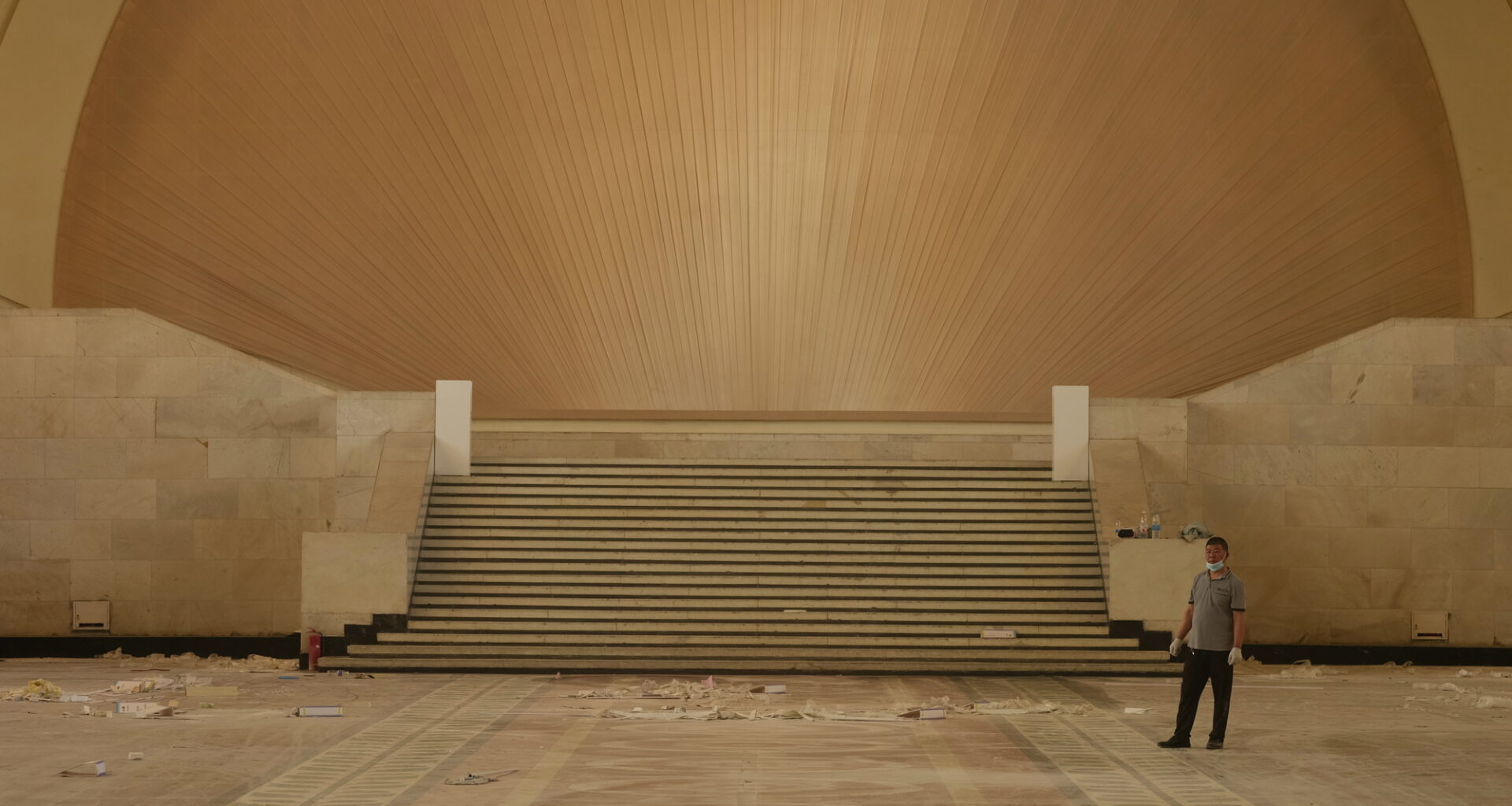
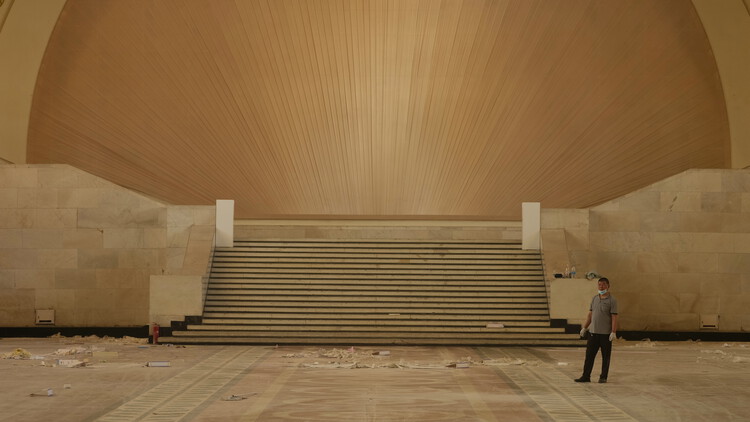
 Former Sino-Soviet Friendship Building, Shanghai (1955), Still from Intensity in Ten Cities (2025), a film by Wang Tuo commissioned by the CCA and M+, Hong Kong, 2025. CCA Collection. Image © Wang Tuo
Share
Or
https://www.archdaily.com/1036610/the-cca-launches-a-comprehensive-research-initiative-and-exhibition-on-modern-architecture-in-china
The Canadian Centre for Architecture (CCA) recently launched a new research project and institutional collaboration with M+ in Hong Kong titled How Modern: Biographies of Architecture in China 1949–1979. The project unfolds through an exhibition presented in the CCA’s Main Galleries from 20 November 2025 to 5 April 2026, a series of commissioned films and oral history videos by artist Wang Tuo, online editorial content, public programming, and a companion book co-published by the CCA and M BOOKS. This collection of content seeks to reframe architectural histories of modernism in the first three decades of the People’s Republic of China, revealing how design operated under shifting ideologies and socioeconomic pressures through the perspectives and experiences of architects, institutions, and residents. The project aligns with the CCA’s ongoing interest in producing new readings of modern architecture across different sociopolitical contexts and geographical frameworks, including Architecture in Uniform: Designing and Building for the Second World War (2011) and Building a new New World: Amerikanizm in Russian Architecture (2020).
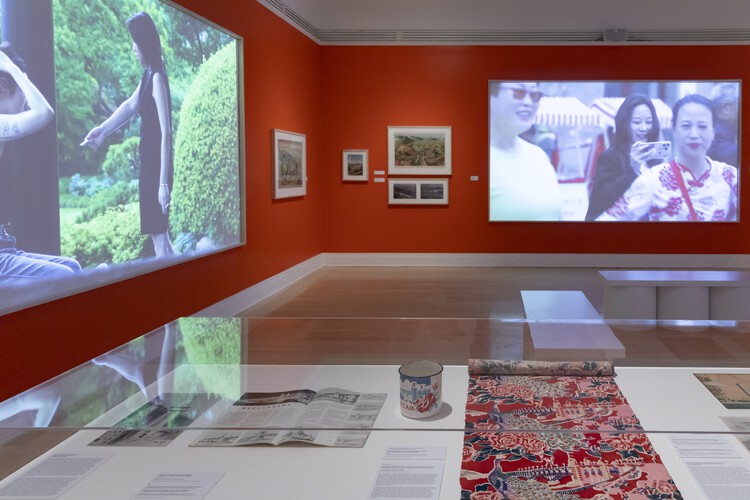 How Modern: Biographies of Architecture in China 1949–1979 exhibition view, CCA, 2025. Image Courtesy of Canadian Centre for Architecture (CCA)
CCA research projects interrogate the political forces that shape how architecture is made, used, and interpreted. The How Modern project begins with the historical observation that between the founding of the People’s Republic of China in 1949 and its Reform and Opening Up in 1979, architecture was an essential instrument in shaping the state’s vision of socialist modernity. Nevertheless, the CCA’s curatorial approach questions the prevailing notion that the development of modern architecture in China during this era was stunted, or even non-existent, a perspective shaped by “persistent misconceptions and narrow assumptions”: that nationalization and collectivization denied architects creative agency, that projects prioritized industrial productivity over design quality, and that the state’s emphasis on a “national style” limited diversity of expression. This new research project is therefore a historiographic exercise, reconsidering these assumptions by foregrounding the varied conditions under which modernism was conceived, realized, and experienced.
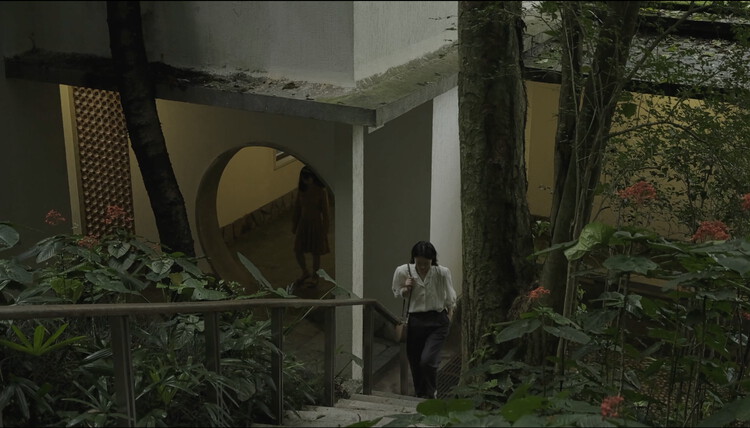 Baiyun Mountain Villa Hotel, Guangzhou (1965) Still from Intensity in Ten Cities (2025), a film by Wang Tuo commissioned by the CCA and M+, Hong Kong, 2025. CCA Collection. Image © Wang Tuo
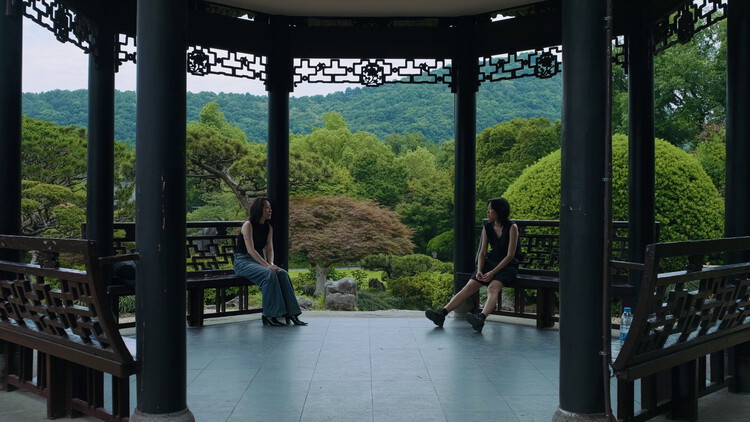 Huagang Guanyu Park, Hangzhou (1955) Still from Intensity in Ten Cities (2025), a film by Wang Tuo commissioned by the CCA and M+, Hong Kong, 2025. CCA Collection. Image © Wang Tuo
How Modern aims to reevaluate how architects responded to cycles of political, cultural, and social transformation during these three decades. How was political power exercised to facilitate social betterment? How did a new culture of inventiveness emerge through the adaptation of architectural precedents? And how was the spirit of the times embodied through the use of industrial technology? In identifying how principles of the Modern Movement were accepted, rejected, or adapted in New China, the project conceives modernism not as a definitive framework but as a field shaped by purpose, economy, and political will, even under limiting conditions. The project unfolds across three thematic categories. “Agency” presents the shifting and often intersecting degrees of agency exercised by the state, architects, and architecture, especially within systems of collectivized design and mass resource mobilization. “Industry” examines how architects adapted to the realities of China’s shift toward socialist industrialization and its emphasis on standardization, scientific rationalization, economy, and productivity. “Style” reconsiders the intention and dominance of the “national style” by presenting the stratified realities that gave rise to heterogeneous formal experiments and expressions both locally and abroad.
Related Article The Contemporary Transformation of Traditional Chinese Architecture
The exhibition component of the project was curated by Shirley Surya, Curator of Design and Architecture at M+, Hong Kong, in collaboration with Li Hua, Professor of Architectural History and Theory at the School of Architecture, Southeast University, Nanjing, and members of the curatorial and editorial teams at the CCA and M+. How Modern assembles archival documentation, propaganda posters, and selected artworks from personal and institutional holdings, largely from the M+ Collections, as well as commissioned films that represent key architectural sites, practices, concepts, and figures across these three decades. Designed by Johnston Marklee with graphic design by Alan Woo, the exhibition is presented in the CCA’s Main Galleries from 20 November 2025 to 5 April 2026. By foregrounding documentation of architectural production across various media, it presents to the public specific social and cultural microhistories of modern architecture that are not necessarily evident in purely textual historical sources.
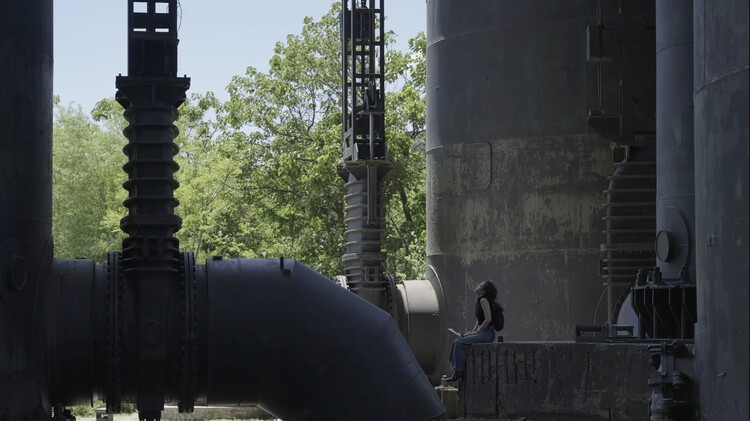 Shougang Iron and Steel Mill, Beijing (1959) Still from Intensity in Ten Cities (2025), a film by Wang Tuo commissioned by the CCA and M+, Hong Kong, 2025. CCA Collection. Image © Wang Tuo
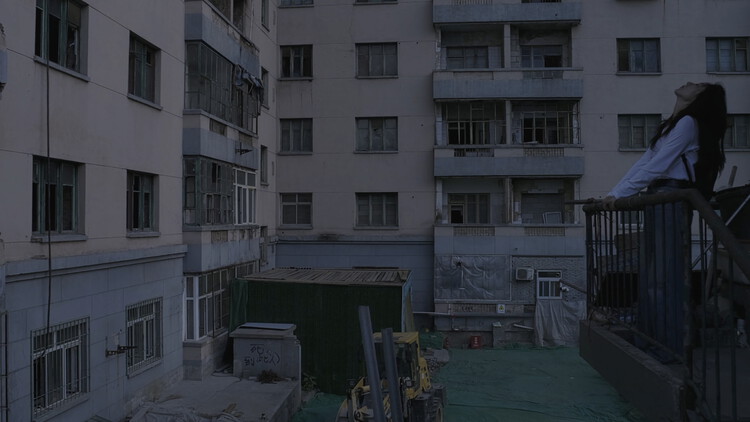 Fusuijing Apartment Building, Beijing (1960) Still from Intensity in Ten Cities (2025), a film by Wang Tuo commissioned by the CCA and M+, Hong Kong, 2025. CCA Collection. Image © Wang Tuo
These lived stories are expanded through a series of commissioned films and oral history videos by artist Wang Tuo, selected for his reputation for interweaving historical facts, cultural archives, fiction, and mythology into speculative narratives. The series, titled Intensity in Ten Cities, captures ten architectural sites built between 1949 and 1979 across China, including a popular park in Hangzhou; a former agricultural commune in Shanxi province; a former iron and steel mill and an apartment complex built for collective living in Beijing; a university auditorium, workers’ housing, and an exhibition hall in Shanghai; a water pavilion and a hotel in Guangzhou; and a scenic site in Guilin. The films introduce these “social biographies” of architectural projects and the various agents involved, the state, officials, architects, workers, and inhabitants, framing the project of building socialism not simply as a monolithic, top-down phenomenon, but as a process shaped through everyday practices. The selection of sites reflects the plurality and tensions that characterized architectural production in this period: between agency and control, scarcity and abundance, policy and practice, competition and collaboration, craft and standardization, and the impact of domestic and foreign relations. The commissioned films and videos will become part of the CCA Collection.
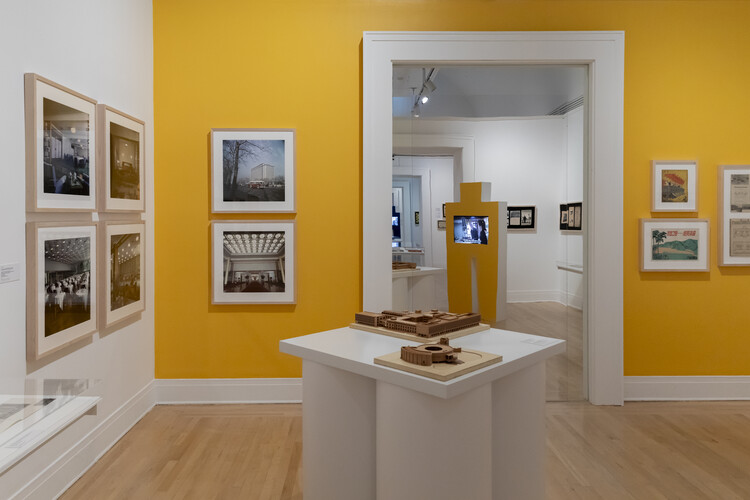 How Modern: Biographies of Architecture in China 1949–1979 exhibition view, CCA, 2025. Image Courtesy of Canadian Centre for Architecture (CCA)
The dissemination strategy for How Modern: Biographies of Architecture in China 1949–1979 also includes online editorial content and public programming that further invite reflection on how overlooked histories can open new frameworks for understanding the political and cultural agency of design. This comprehensive approach is captured in a companion book co-published by the CCA and M BOOKS, edited by Surya and Li and designed by Sonja Zagermann, now available for online purchase. Other recent CCA projects include the three-part film and exhibition series Groundwork, which explores how contemporary architects cultivate alternative modes of practice to address the ecological crisis. The first film follows DnA’s Xu Tiantian as she ventures “Into the Island” of Meizhou, China, in the summer of 2022. The second examines bplus.xyz (b+)’s HouseEurope! European Citizens’ Initiative for a new legal framework to facilitate the renovation and transformation of existing buildings, while the third follows Carla Juaçaba’s process in designing community pavilions in a coffee field in Minas Gerais.