
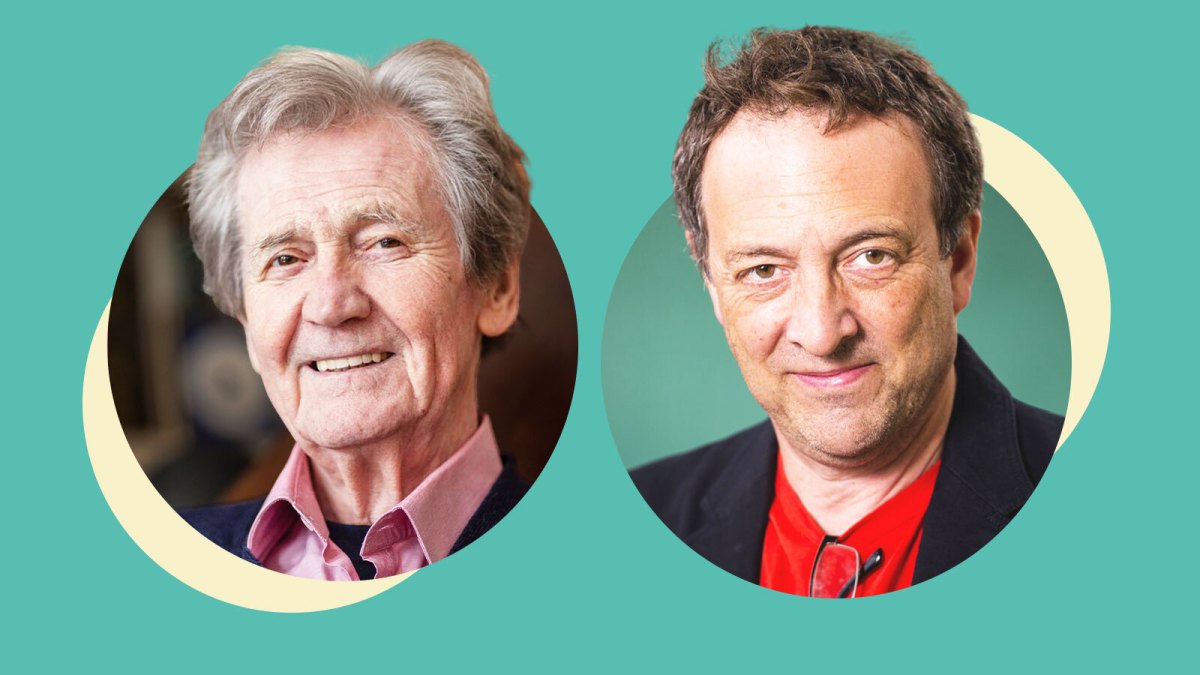
It is testament to the brilliance and popularity of In Our Time, the highbrow Radio 4 discussion show created in 1998 by Melvyn Bragg, that the BBC conducted multiple auditions for the role of his successor.
The net was cast wide, many big names were approached (including, it is thought, Stephen Fry) and a handful of experienced radio hands are understood to have auditioned, some more than once. And on Wednesday it was announced that the prized gig has gone to the journalist, broadcaster and author Misha Glenny, an expert on eastern Europe and the author of books including McMafia: Seriously Organised Crime, later adapted into a hit BBC drama starring James Norton.
Glenny, 67, will be familiar to Radio 4 listeners as the presenter of the station’s The Invention Of … series — which explores the histories and origins of different nations and cultures — as well as The Secret History of the World and The Rise and Rise of the Microchip.
• I’ve listened to every episode of In Our Time. These are the 15 best
Glenny’s first edition of In Our Time will air on January 15, although the BBC has not yet revealed what its subject will be. He described his appointment as “a huge honour” and praised Bragg’s “extraordinary stewardship and his forensic curiosity”. He also promised to bring his own “deep curiosity about the world and the ideas that shape it”.
Bragg, who presented more than 1,000 editions of the programme on subjects ranging from bird migration to St Paul, Fermat’s last theorem and the moon before stepping down this year, gave Glenny his blessing. “It has been an extraordinary privilege to present In Our Time for so many years and I am delighted that Misha will be taking on the role,” he said. “His breadth of knowledge and gift for clear, engaging conversation make him ideally suited to guide these discussions into the future. I wish him and the programme every success.”
Glenny will talk about his plans for the show in a special edition of the Today programme to be guest-edited by Bragg on Christmas Eve. For many, the Cumbrian will be a hard act to follow. The Radio 4 controller, Mohit Bakaya, admitted that “it’s hard to imagine In Our Time without Melvyn”. One BBC insider compared Glenny’s new gig to that undertaken in 2013 by David Moyes when he succeeded Alex Ferguson, who had been Manchester United’s most successful manager during his 26-year tenure.
• Melvyn Bragg, my idol: Caitlin Moran meets her hero
One reason for Bragg’s success was the way he held resolutely to the show’s core principles as an occasionally fearsome chair. This involved being “never knowingly relevant” — he would come down on any guests who made comparisons between the subjects in hand with present-day political concerns. The show was also impeccably researched by a dedicated production team, who said that preparing for it was like sitting an A-level each week.
Bragg also developed the programme into an exquisite three-act structure of thesis, antithesis and synthesis, with a fourth act later added for the podcast editions in which the guests were invited to discuss areas that didn’t quite make the broadcast. Fans will hope this remains unchanged. As will the BBC: it is one of the corporation’s most popular podcasts and has a huge international fanbase. As I say, a hard act to follow.