
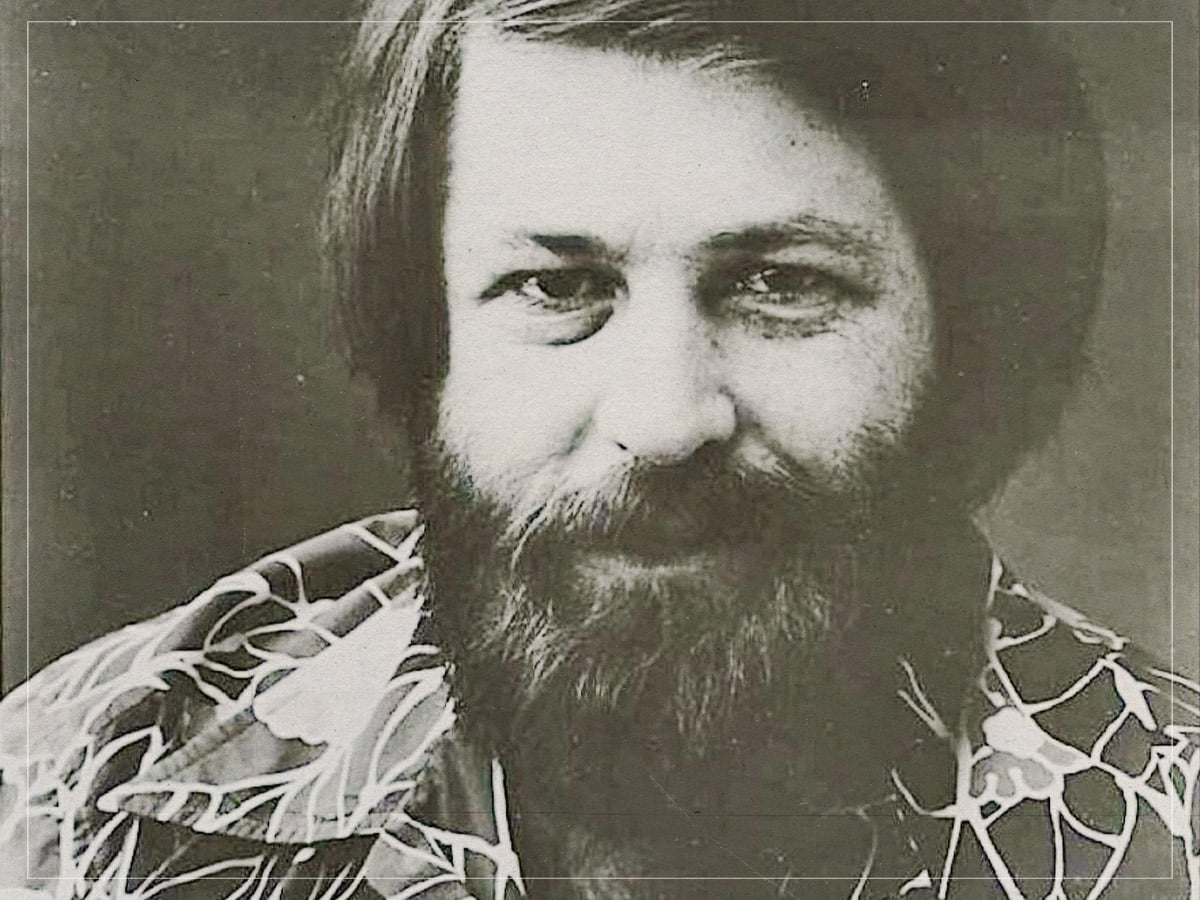
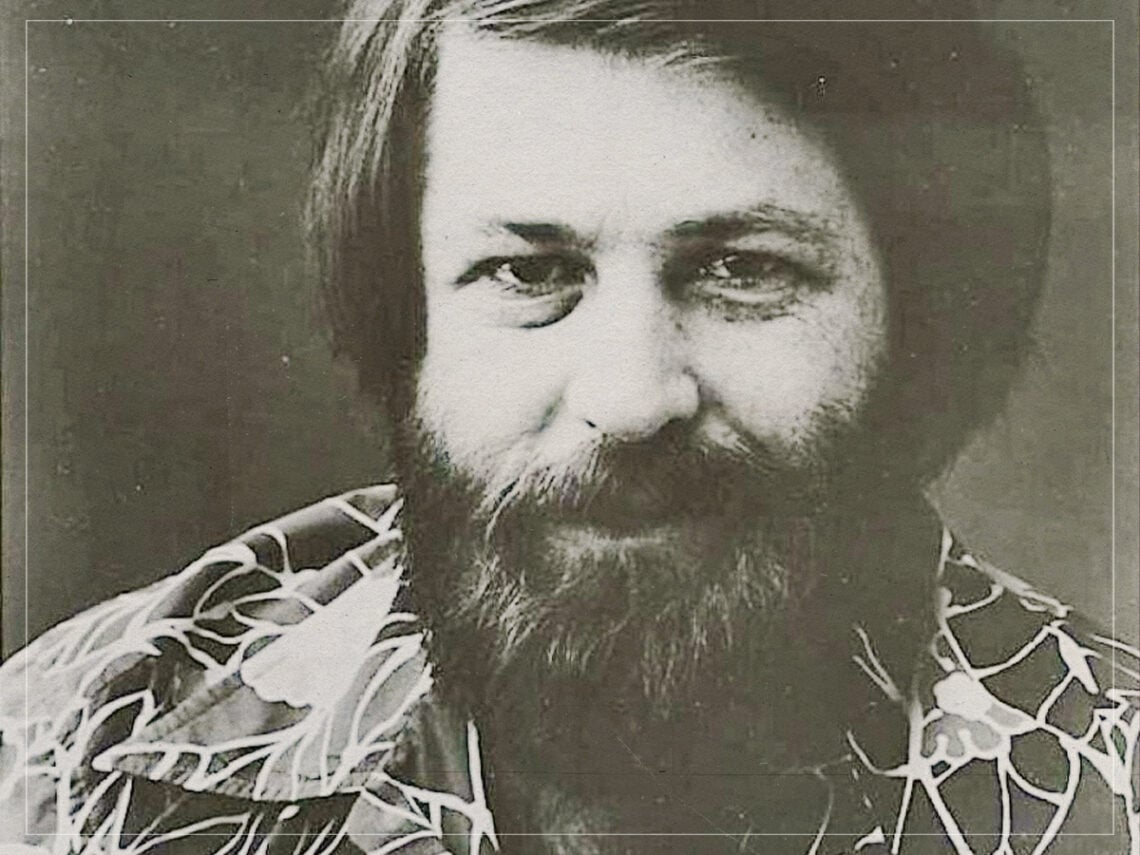
(Credits: Far Out / Caribou Records / Public Domain)
Thu 4 December 2025 17:31, UK
Strawberries and cream, Sunday’s frozen pitch and a thermos flask, drunken 2am texts and mornings of regret, none of them pair quite as synonymously as The Beatles and The Beach Boys.
They were two of the most defining bands of the 1960s, who both shared the uncanny knack of straddling genres and pushing forth into pastures anew, not to mention the harmonies… those beautiful damn harmonies.
Without one, there might not have been the other. As Paul McCartney once proudly proclaimed, “I figure no one is educated musically ‘til they’ve heard Pet Sounds.” And John Lennon also had huge respect for Brian Wilson. In 1965, the bespectacled Beatle notably said, “He never tours or anything. He just sits at home thinking up fantastic arrangements out of his head.”
A year later, The Beatles would quit the hectic ways of the road and take a similar scientific, studio approach to capturing the zeitgeist. While there were a million and one other reasons behind the Fab Four forgoing the road, one of them was certainly a bid to match their Californian counterparts.
Given that the curtailment (even though they had played an unprecedented number of shows in their early days) set them up for criticisms like Keith Richards claiming they were “never quite there” when it came to “the live thing”, it seems they were more concerned with keeping pace with Wilson and mustering similar cutting-edge, timeless songs.
 Paul McCartney and Brian Wilson. (Credits: Paul McCartney)
It was a symbiotic relationship, where one band drove the other to new heights. Wilson was particularly keen on layering more profound spirituality in his tracks, as The Beatles had done before him, once they met with Bob Dylan. The cycle of the ‘60s led to a whirlwind of inspired art.
Everything existed in a frenzy of freshness. In fact, Graham Nash recalls moving to Laurel Canyon and having people knock on his door to go up the road and listen in on the new song Wilson was working on. Invariably, he sat stoned in a living room listening to a song that will now live on forever.
Ideas were swapped as readily as a joint, and you can trace the impact one inspired move had on a peer with relative ease. There was, in fact, one lyric, in particular, that piqued Wilson’s interest when he was looking to expand his metaphysical horizons. It set him off on a rampage, strutting about a Hollywood Hills part, hollering about how damn good it was. A single line, no less… and the lyric wasn’t bad either.
“It must have been in November of 1965,” Wilson recalled. “I was living in this house in the Hollywood Hills then, way up on Laurel Way, and I remember sitting in the living room one night talking with some friends when another friend came in with a copy of the Beatles’ new one, Rubber Soul, I don’t know if it had even come out yet.”
However, in a typically ‘60s fashion, by hook or by crook Wilson’s associate had a bonafide copy. The party hushed, symbolic of the esteem that The Beatles were held in even by the very people that they themselves admired. “So, we put it on the record player and, wow. As soon as I started hearing it I loved it. I mean, LOVED it!” It remains one of his favourite albums to this day, but back upon first listen it really changed his worldview.
One lyric stood out as the strand he remembers most from that fateful first listen. He champions ‘Michelle’ as a lyrical classic, but there is one verse that stands out from the crowd for Wilson. “’Norwegian Wood’ is my favourite,” Wilson told TLS.
Adding, “The lyrics are so good and so creative, right from the first line: ‘I once had a girl/ Or should I say, she once had me.’ It’s so mysterious. Is he into her, or she into him? It just blew my mind. And in the end, when he wakes up and she’s gone, so he lights a fire. ‘Isn’t it good? Norwegian wood.’ Is he setting her house on fire? I didn’t know. I still don’t know. I thought that was fantastic.”
Whether Wilson would like a spoiler or not, there is an answer to this mystery, and it doesn’t involve maiming someone with flames, thankfully. As Lennon explained: “I was trying to write about an affair without letting my wife know I was having one.”
He continued, “I was sort of writing from my experiences – girl’s flats, things like that. I was very careful and paranoid because I didn’t want my wife, Cyn, to know that there really was something going on outside of the household.”
Lennon earnestly concluded: “I’d always had some kind of affairs going on, so I was trying to be sophisticated in writing about an affair, but in such a smoke-screen way that you couldn’t tell. But I can’t remember any specific woman it had to do with.” That enigmatic smoke-screen is something that Wilson adored, pining for equal ambiguity in his own key-less pop classics.
Another domino of influence had tumbled, and pop songwriting changed with that lyric. Such feats seemed to be occurring weekly during that prolific period of poetry that now stacks up as something like a modern renaissance period.
Honouring a Beach Boys icon
When Wilson passed away in June 11th 2025, Paul McCartney came forward with a fitting tribute to the man who helped to inspire his greatest works, and a certain word pops up again. “Brian had that mysterious sense of musical genius that made his songs so achingly special,” he wrote.
Adding, “The notes he heard in his head and passed to us were simple and brilliant at the same time. I loved him, and was privileged to be around his bright shining light for a little while. How we will continue without Brian Wilson, ‘God Only Knows’.”
Related Topics
The Far Out Beatles Newsletter
All the latest stories about The Beatles from the independent voice of culture.
Straight to your inbox.