
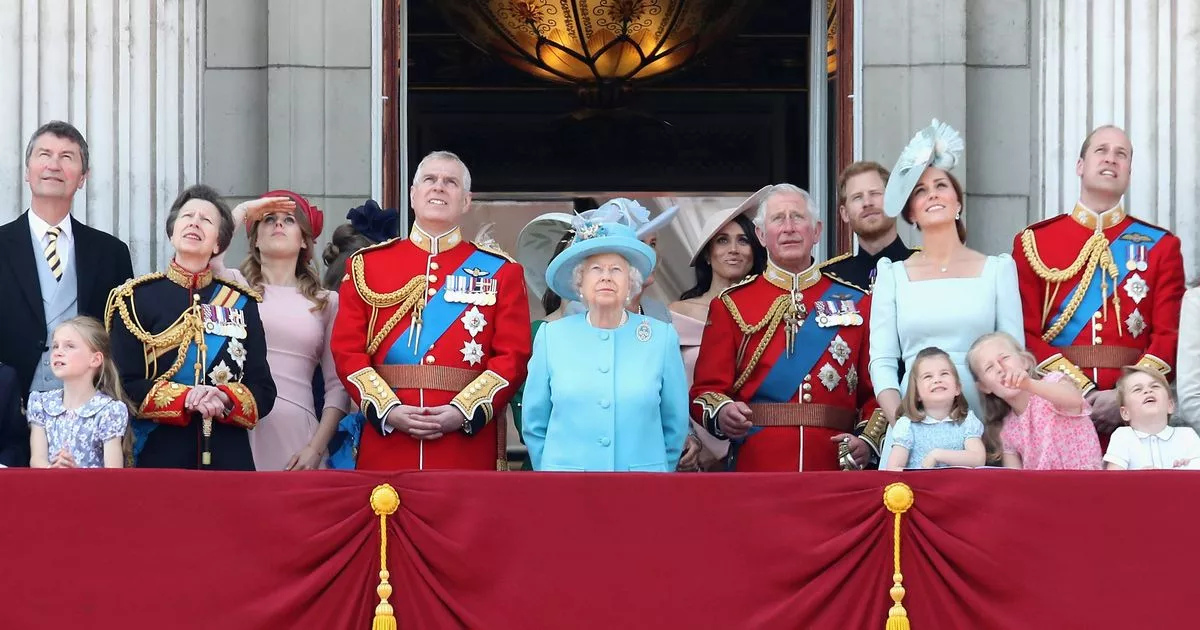
‘At a time when millions are struggling to make ends meet – how is it the royal family is making more money than ever?’ asks David Dimbleby in jaw-dropping new documentary
21:12, 04 Dec 2025Updated 21:40, 04 Dec 2025
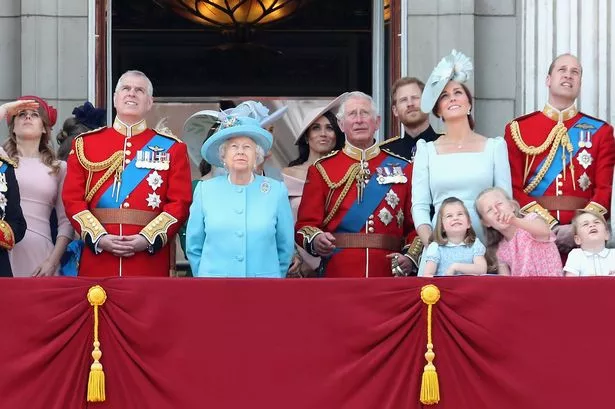 Queen Elizabeth was incredibly wealthy – but Charles III is even richer thanks to increased earnings and very little tax(Image: Chris Jackson, Getty Images)
Veteran reporter David Dimbleby spent decades highlighting the public face of the royal family – now he wants to reveal the full extent of their private wealth.
In his new series, What is the Monarchy For?, the broadcaster brands the late Queen Elizabeth II an “astute tax avoider” and says King Charles III is the first billionaire to take the throne.
David, 87, says most of the King’s wealth is from the public in the form of the annual sovereign grant, from his Duchy of Lancaster business or from his vast, tax-free inheritance.
“By the time of Charles’ coronation, he didn’t just inherit the crown, he inherited more wealth than any monarch for generations,” David says.
READ MORE: BBC’s Call The Midwife Christmas special hit by typhoon while filming in Hong KongREAD MORE: Tear-jerking moment Ruby Wax meets Aitch’s sister after shock exit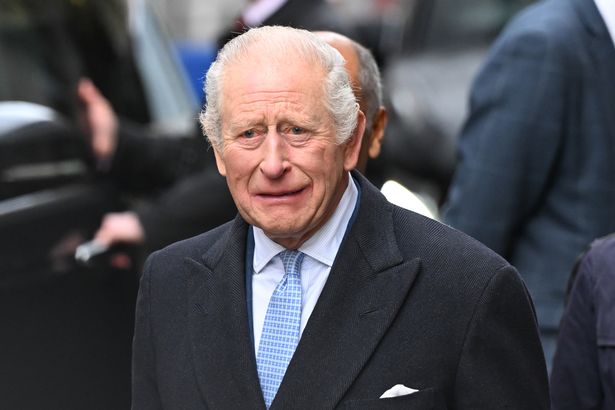 King Charles is said to be the nation’s first billionaire monarch(Image: Anadolu via Getty Images)
“The taxpayer is shelling out more to fund his public duties than we did during the Queen’s reign. Over the years, the royals have grown their wealth without the public really noticing.”
With the help of investigative journalist David Pegg, working with a team of reporters, the former Question Time presenter estimates the monarch’s wealth at £1.2billion – though this is likely to be a conservative estimate as it doesn’t include assets like shares.
He probes politicians and insiders on whether the institution at the heart of our national life deserves to continue. And he asks: “At a time when millions are struggling to make ends meet: How is it the royal family is making more money than ever?”
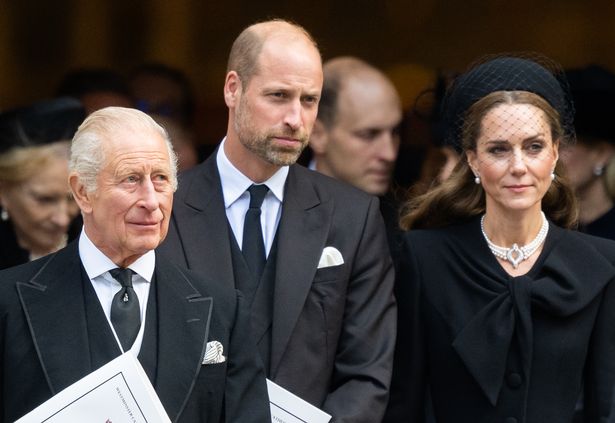 Prince William has said he will make changes to modernise the monarchy when he becomes king – but he has not yet revealed how(Image: Getty)
David feels the royal events he covered during his 63-year career helped the Palace and the people inside it present themselves as they wanted to be seen. So he has set out to redress the balance and cast a critical eye at their power, their wealth and their image.
While Buckingham Palace, Windsor Castle, Kensington Palace, Clarence House and St James Palace belong to the people of the UK, the Sandringham estate in Norfolk and the Balmoral estate in Scotland are privately owned, and thought to be worth £330million.
Going through all the jewellery owned by the King, David is told that £533million would be “the bare minimum” of their value, along with £100m for his stamp collection.
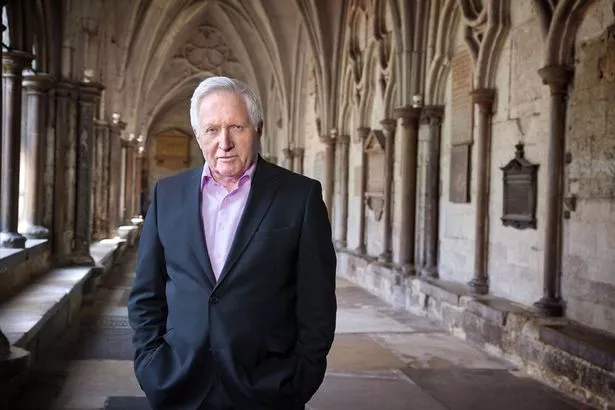 David DImbleby has been reporting on the royals for decades but now feels he may have not seen the full picture(Image: BBC)
He also owns £27m of livestock – largely racehorses formerly belonging to his mother – and at least £24m for his art collection. Viewers will hear the King’s royal aides did not like his finances being scrutinised, describing the £1.2bn sum as “a mix of speculation, assumption and inaccuracy”.
David, who began his BBC career as a news reporter in the 1960s and covered his first general election in 1964, says Elizabeth II used her royal privilege to be exempted from various laws a total of 160 times.
As well as matters relating to financial secrecy, these included health and safety regulations, wildlife protection, race relations and equal opportunities. “With each of these laws she had the power to say ‘it doesn’t apply to me thank you very much’,” he declares.
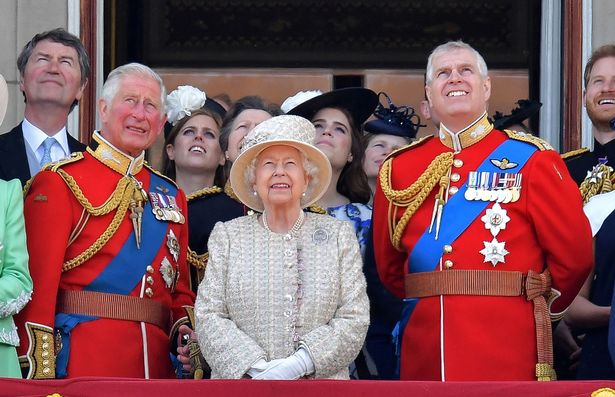 The ate Queen is described by Dimbleby as an “astute tax avoider” who grew her wealth over her decades in power(Image: AFP via Getty Images)
In 1973, Prime Minister Edward Heath tried to lift the secrecy over her investments, but the Queen managed to dodge it. “She created a purpose-built legal mechanism to hide her family’s wealth – and it’s remained hidden ever since,” David tells viewers.
While previous monarchs had paid tax, the programme reminds viewers that it was the late Queen’s father George VI who managed to persuade government that he shouldn’t.
Elizabeth II continued this practice almost as if it was some royal tradition Dimbleby says. This only changed after the fire at Windsor castle in 1992, which sparked public outrage when the repair bill of £36m was handed to the public. The Queen volunteered to pay some tax – around £2m. “So the Queen was an astute tax avoider?” he asks journalist Valentine Low, who replies: “Absolutely.”
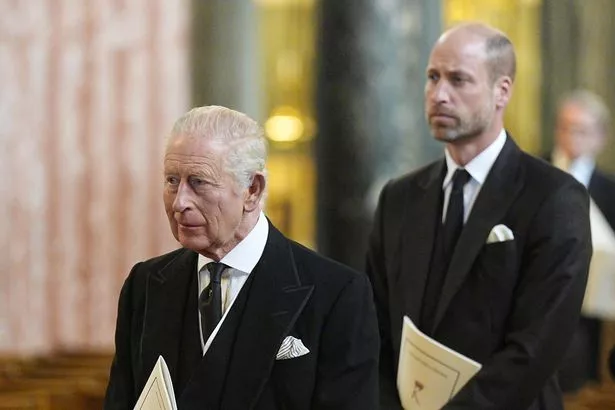 It remains to be seen what changes William will make when he takes the throne, but he’s already keeping his tax returns private(Image: Getty)
David says that for decades the Windsors’ wealth has grown unchecked and he questions why the Royal Family is exempt from both capital gains tax and inheritance tax.
Annie Whitlock, Professor of the History of Monarchy at City, University of London, says: “There is so much wealth and so much privilege, in the sense of exception from taxation – why does he need that money? It’s surprising that those questions haven’t been asked more loudly, certainly since the late Queen died.”
The programme also examines the Duchy of Cornwall and Duchy of Lancaster royal businesses, which are also exempt from tax despite being huge commercial property companies.
They give the Windsors a private annual income of £50m, according to Dimbleby’s information. Journalist Ash Sarkar is unhappy the King gets £11m over 15 years for renting a warehouse to the NHS to store ambulances, and that Prince William makes £1.5m from Dartmouth Prison standing on Duchy land.
“There is a huge amount of money flowing from the public purse into the private pockets of the royal family,” she says. “£11m could do all sorts of things for the public good – instead it’s making a King even richer.”
David also delves into the royal family’s historic involvement in the slave trade. “The family has never spoken about the role the monarch played, or the fortune they made,” he says. But Sathnam Sanghera, author of Empireworld, says the time has come for more acknowledgement of the part they played.
“Increasingly, historians are proving the royal family pioneered the slave trade,” he says, noting that Charles II set up the Royal African Company with his brother, the Duke of York, whose initials were “branded into the flesh” of those who were enslaved.
The system whereby the public gives money to the royal family dates back 200 years, to when George III handed over land that was part of the Crown Estate in return for payment.
This became the sovereign grant in 2011, when austerity Chancellor George Osborne struck a deal allowing the royal family to have a yearly percentage of the profits made by the Crown Estate. Helpfully for them, it was agreed that the amount they made could never come down.
Mr Osborne argues: “The money we spend on the royal family is tiny compared to what we spend on benefits, the NHS or defence.”
Last night Buckingham Palace told the Mirror that the King “voluntarily pays income tax and capital gains tax on her/his private income” since 1993, the year after the Windsor fire which drew widespread criticism from the public.
“On the value of the art works hanging in some of the royal residences, they said: “The Royal Collection is one of the world’s great art collections. Objects from the Royal Collection cannot be sold as they are held in trust by the Sovereign for his successors and the nation. The Royal Collection is not owned by The King as a private individual.”
And on the issue of some of the royal wealth coming directly from the slave trade, they said: “Over many years, His Majesty has continued to express profound sorrow and regret over the most painful aspects of our past.”
In addressing this issue at the recent Commonwealth Heads of Government Meeting, The King observed that while “none of us can change the past, we can commit, with all our hearts, to learning its lessons and to finding creative ways to right inequalities that endure”.
What’s the Monarchy For?, Tuesday, BBC1, 9pm.
Like this story? For more of the latest showbiz news and gossip, follow Mirror Celebs on TikTok, Snapchat, Instagram, Twitter, Facebook, YouTube and Threads.