
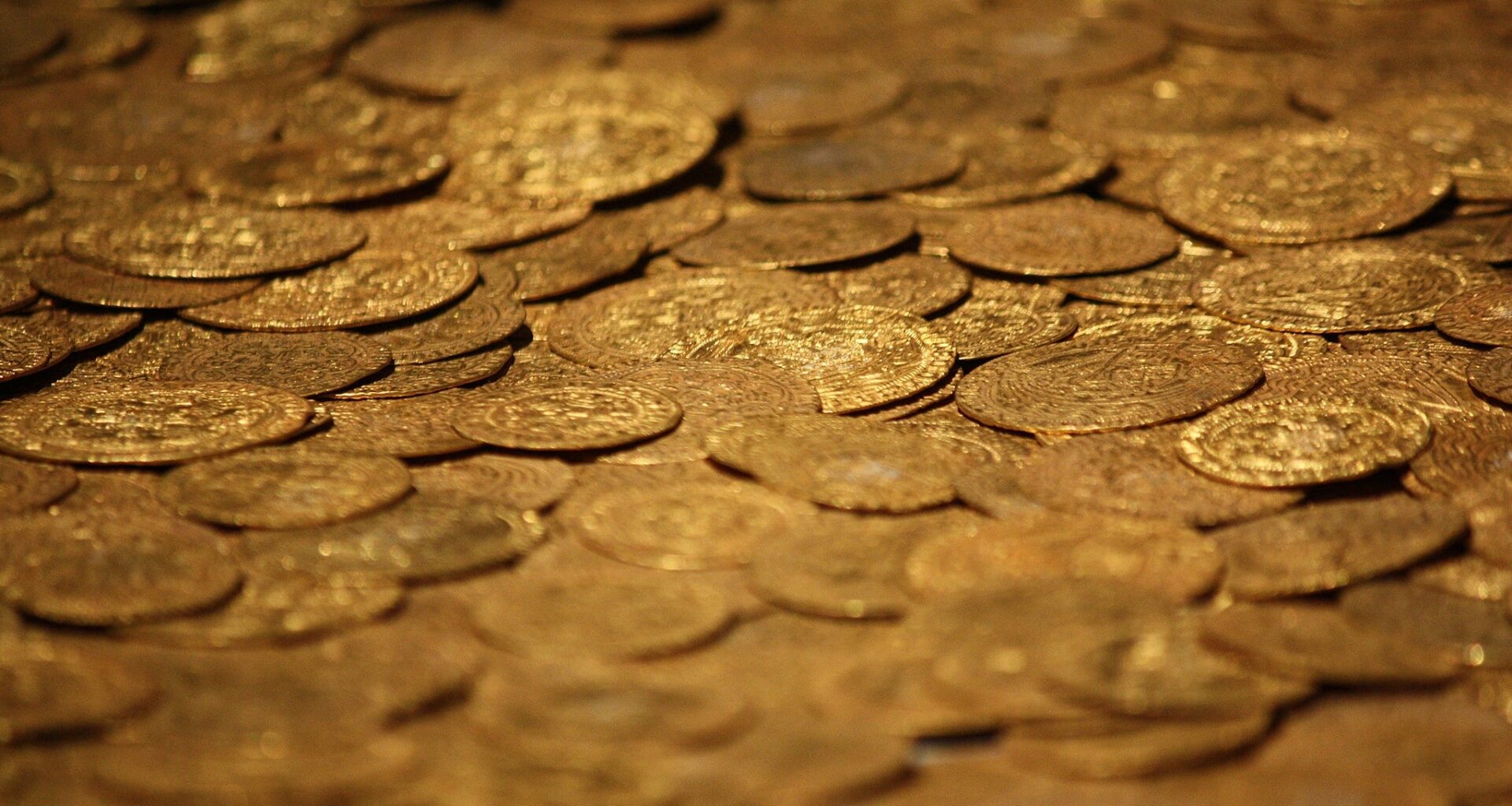
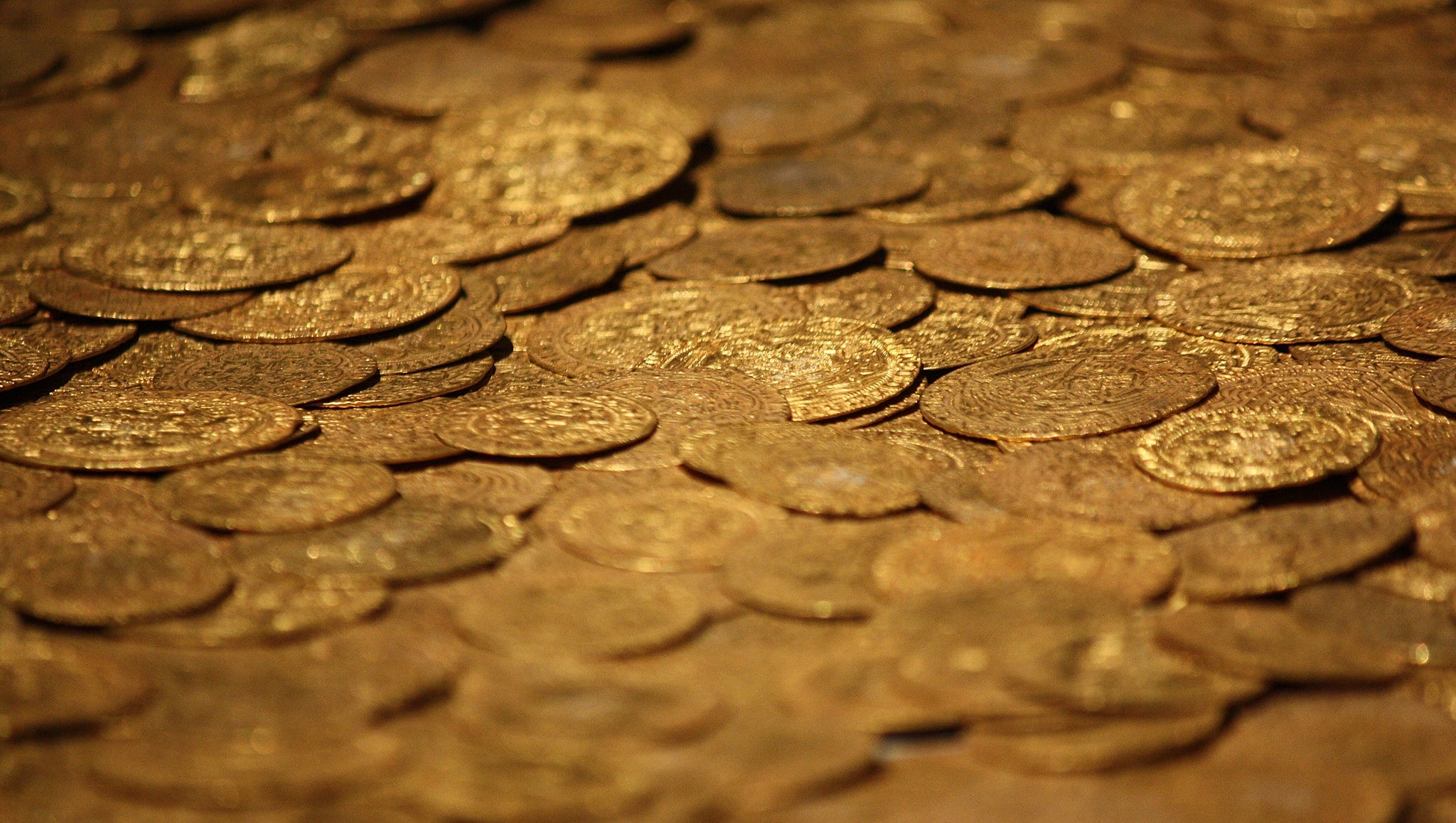
Greece’s households are believed to possess a “hidden treasure” of gold coins worth as much as €5 billion. Credit: Lawrence OP / CC BY 2.0
For many households in Greece, gold sovereign coins have reemerged as a symbol of stability, fueling a powerful resurgence in the market this year. As 2025 draws to a close, demand for physical gold has climbed sharply, echoing some of the most dynamic periods in the country’s past.
Official domestic transactions in gold coins are estimated to have reached €150 million ($ 174 million) this year, which is an impressive figure, but still secondary to the extraordinary volume already resting in private hands.
Greece’s households are believed to possess a “hidden treasure” of sovereigns worth as much as €5 billion ($5,8 Billion), one of the highest concentrations of privately held gold coins in Western Europe.
A cultural and financial anchor for Greece’s households and their gold coins
For many Greeks, gold sovereigns represent stability during periods of uncertainty. They are traditional gifts at weddings and baptisms, family heirlooms passed through generations, and an investment viewed as resistant to economic volatility.
This enduring relationship with gold is evident in the numbers. Despite financial crises, shifting investment trends and the rise of digital assets, the Greek preference for physical gold remains a defining feature of the country’s financial culture.
The banks behind the market
While the Bank of Greece accounts for roughly a quarter of official annual transactions, the country’s major commercial player is Piraeus Bank.
It remains the only commercial bank in Greece with gold reserves and serves as the official partner and distributor of the Royal Mint of the United Kingdom.
Through Piraeus Bank, official British sovereigns enter the Greek market, giving the institution a pivotal role in the nation’s investment-gold ecosystem.
A price rally that changed behavior
Much of the renewed enthusiasm for gold this year stems from the metal’s sharp rise. Since the start of 2025, gold prices have jumped around 55%, climbing to approximately $4,252 per ounce.
The Bank of Greece’s latest bulletin reflects this surge:
A gold sovereign (0.9166 purity, 7.940–7.988g) with minor surface defects is sold for €941.97 ($1.096) and bought for €803.97 ($935).
An older-minting sovereign is sold for €971.09 ($1.131) and bought for €828.84 ($964).
The price rally was fueled by increased purchases from central banks, particularly China, and the weakening of the US dollar. As a result, many Greek holders of sovereigns chose to sell portions of their personal stockpile to lock in profits.
A rush to liquidate
At Piraeus Bank, 60% of transactions in the recent quarter involved private individuals selling coins rather than buying them. The Bank of Greece received more than 32,000 sovereigns for purchase during the first nine months of the year, while selling only 5,399.
Outside official channels, activity is also strong. Pawnshops and private dealers report increased volumes, though experts warn that transactions outside certified institutions require caution due to inconsistent authentication standards.
A parallel economy of savings built on the gold coins held by Greece’s households
The sheer number of coins dispersed across Greece’s homes, safe-deposit boxes and family collections highlights the country’s unique financial landscape.
The estimated €5 billion ($5,8 billion) held in gold sovereigns effectively forms Greece’s largest unofficial savings pool, a parallel store of value outside the traditional banking system.
In a year marked by economic uncertainty, this tradition hasn’t weakened. It has strengthened. Gold remains not just an investment but a symbol of security for many Greeks, and 2025 has reaffirmed its role as one of the most trusted financial assets in the country.