
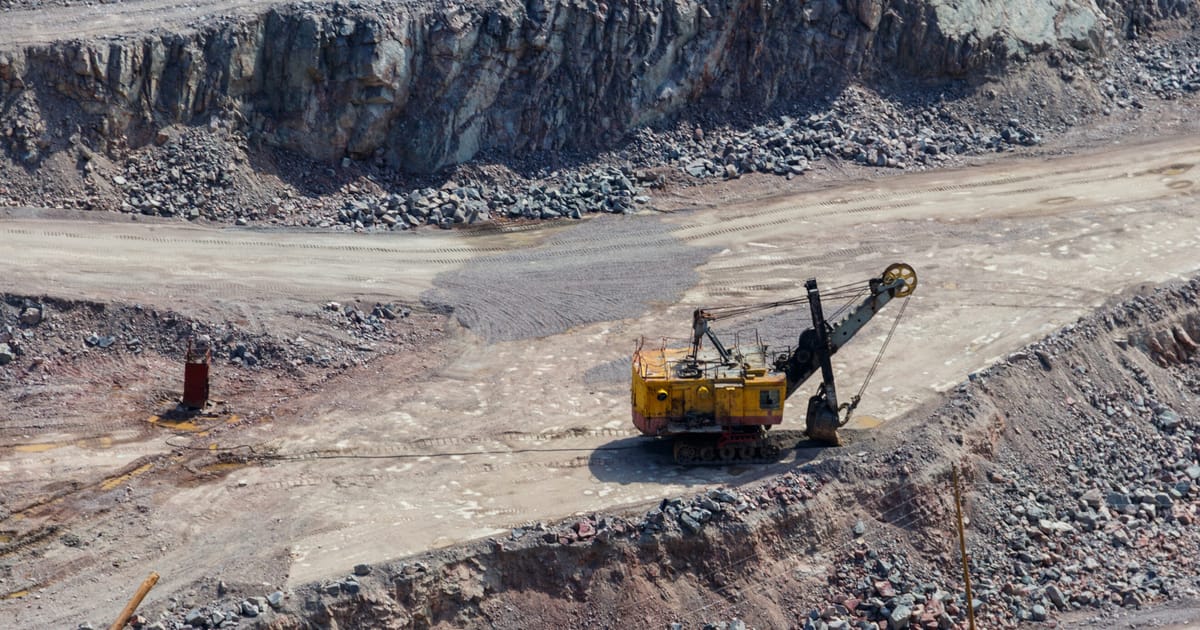
Since the start of Ursula von der Leyen’s second term as European Commission president, the executive has put forward a long train of simplification packages, called omnibuses, rolling back requirements on businesses’ transition plans, environmental requirements for farmers, and restrictions on chemical use.
But the EU also has conflicting priorities, including the need to protect its strategic autonomy amid tougher relations with the U.S. and China, and the imperative of reigniting economic growth while keeping polluting greenhouse gas emissions down and restoring biodiversity.
The EU’s Water Framework Directive is Europe’s main water protection law. Among other things it regulates individual pollutants and sets corresponding standards. It’s the “key framework that is protecting people’s health and the quality of water, so we need to be very mindful of this,” Roswall acknowledged.
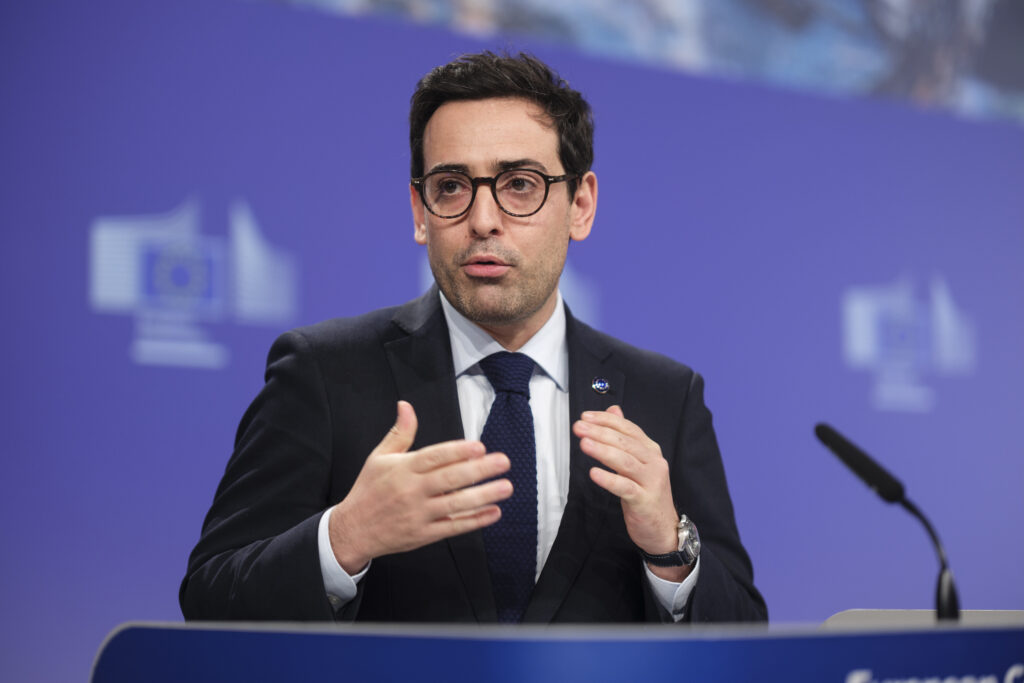 “Any raw materials that come into the EU shouldn’t leave the Union,” said Commissioner for Industry Stéphane Séjourné when he presented the plan on Wednesday. | Thierry Monasse/Getty Images
But with the EU looking to diversify and secure its access to precious minerals, permitting challenges for new mining projects posed by EU water rules are a key talking point for business groups, including mining lobby Euromines.
“We are squeezed between China and the U.S. and and we need to do something,” Roswall said.
More regulatory cuts coming
Separately, an upcoming “environmental omnibus” bill — aimed at cutting back or simplifying pieces of EU environmental law — is due for publication next Wednesday having been postponed by one week.