
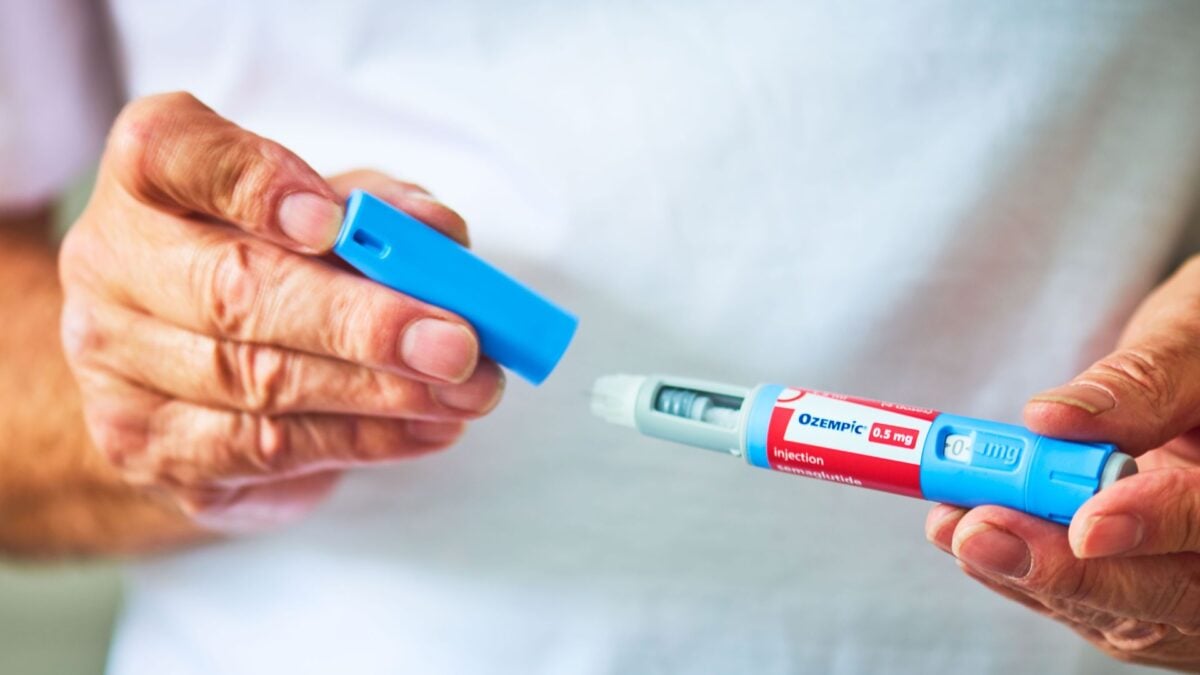
Every drug has its risks, no matter how tremendous its benefits may be, and sometimes it can take a while to uncover less obvious side effects. New research suggests that GLP-1 medications like semaglutide—the active ingredient in popular drugs Ozempic and Wegovy—might leave some users feeling a little wheezy.
Researchers at the University of Southern California and others examined the medical records of people taking GLP-1s for their type 2 diabetes. Compared to people on other diabetes treatments, GLP-1 users were more likely to develop a chronic cough, they found. The findings warrant more study into this potential side effect and why it may be happening, the researchers say.
A potential risk of chronic cough?
The most common side effects of GLP-1s are gastrointestinal, such as nausea, vomiting, and constipation. Research has also indicated that they can raise the risk of gastroesophageal reflux disease (GERD) and acid reflux, likely because they slow the emptying of food from the stomach.
GERD/acid reflux can also be a common cause of chronic cough. According to the researchers, though, there hasn’t been any study specifically looking into a potential association between GLP-1s and chronic cough.
The researchers analyzed electronic health care records collected from 70 health care organizations. They looked at nearly a half million people taking a GLP-1 for their diabetes and compared them to a similar group of 1.6 million people taking other medications.
All in all, GLP-1 use was associated with a 12% higher risk of a new case of chronic cough compared to all other diabetes medications. When looking at specific drug classes, they failed to find any increased risk compared to SGLT2 inhibitors. Interestingly enough, a higher overall risk of chronic cough was still seen even when the researchers excluded people who had a past diagnosis of GERD.
What does this mean?
These findings are observational, meaning they can’t concretely prove a cause-and-effect link between chronic cough and GLP-1 use. So for now, this study should only encourage scientists to look deeper into this possible connection, the researchers say.
“Further research is needed to confirm the existence, strength, and mechanisms of this association,” they wrote in their paper, published late last month in the journal JAMA Otolaryngology–Head & Neck Surgery.
GLP-1 drugs like semaglutide have greatly improved obesity treatment in recent years. But it’s always important to keep tracking the safety of every drug once it reaches the public. While the discovery of a new side effect might not change the overall value of a medication, it can help doctors and patients better manage or prevent it from happening.