
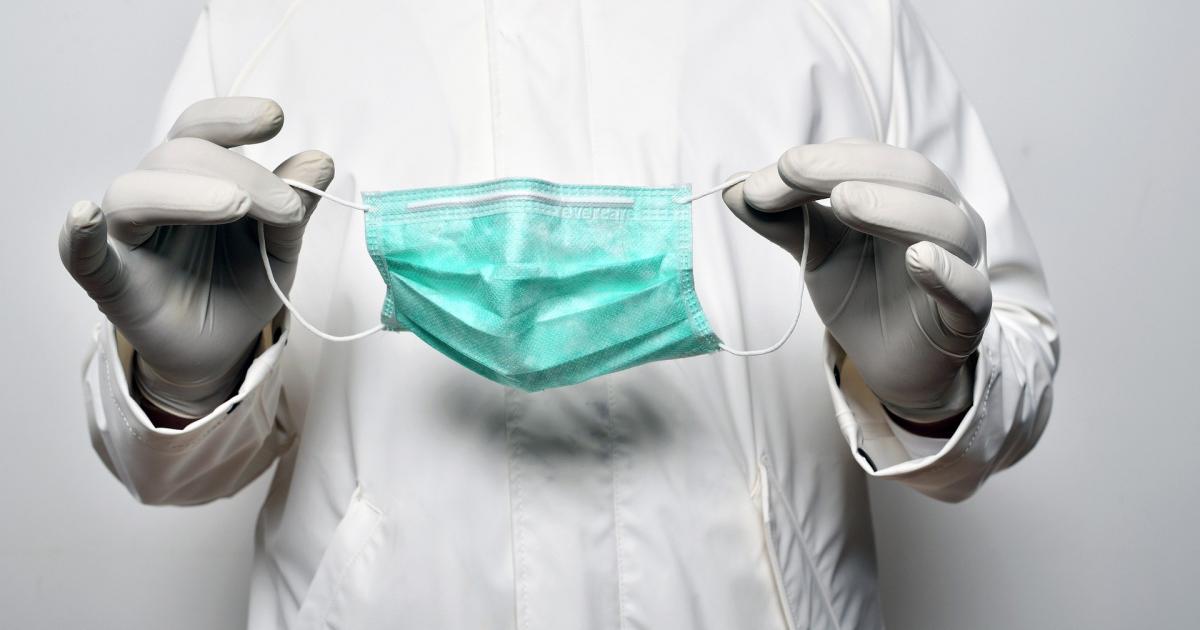
An email seen by the Glasgow Times was sent to staff on Friday afternoon, December 5, urging all staff working in clinical areas to wear Fluid Resistant Surgical Masks (FRSM).
Staff have been asked to wear the masks for the entire time they are on shifts, not just when dealing with patients.
The announcement comes amid a surge in flu cases across the country. Stats released by Public Health Scotland on Thursday showed that cases across Scotland have more than doubled in a week.
Public health experts have urged all those eligible for the flu vaccine this winter to get the jab (PA)
READ MORE:
NHSGGC urges parents to get under-fives vaccinated as flu cases rise
NHS Greater Glasgow and Clyde urges people to get flu vaccination as cases rise
Statement from NHS warns NOT to visit A&E with these symptoms
This winter’s flu season started around a month earlier than normal, with early data suggesting a “drifted” influenza A (H3N2) with additional mutations could be playing a role.
The strain is known for causing more severe illness, particularly among older adults.
Public Health Scotland (PHS) statistics released on Thursday show laboratory-confirmed influenza cases between November 24 and 30 rose from 845 to 1,759.
Hospital admissions due to influenza increased 70%, from 426 to 724.
In response to the surge, NHS Greater Glasgow and Clyde (NHSGGC) increased their flu activity level from medium to high and has urged people to get vaccinated.
Now, bosses have sent a notice to staff across the city requiring them to wear masks.
The email sent out to NHS staff in Glasgow said: “Following a review of the current flu epidemiological situation, including a number of outbreaks that have led to some wards being closed, NHSGGC’s Infection Prevention and Control Team, in liaison with senior management, ask all staff working in clinical areas to wear Fluid Resistant Surgical Masks (FRSM).
“As it is Friday, it is understood that teams will take a few days to put this into place.
“Staff are advised to wear FRSM for the duration of their shifts, not only while delivering direct patient care.
“In addition, we ask that they follow guidance described in the National Infection Prevention and Control Manual and summarised in the Core Brief on 4th December.
“Management teams responsible for non-clinical areas are also asked to review the risk and staff sickness rate as it affects them and decide on universal use of FRSM based on these factors.
“The advice will also apply to all visitors to our hospitals, in line with actions being taken by other Scottish Health Boards.
“We will keep this developing situation under review, and we will advise of any changes.”

NHSGGC has advised that they are encouraging anyone going near a hospital in the area to wear facemasks.
A spokesperson for NHSGGC said: “As is the case throughout the UK, hospitals across NHS Greater Glasgow and Clyde are currently seeing rising numbers of patients with symptoms of flu.
“While all our staff are doing all they can to address these challenges, we are asking visitors to help us reduce the spread of the virus and to minimise the risk to vulnerable patients.
“In response to advice from our Infection Prevention and Control Teams, and in line with other Health Boards across Scotland, we are encouraging all visitors to our hospitals, and all clinical staff, to wear Fluid Resistant Surgical Masks – similar to those used during the COVID pandemic – at all times while they are on our premises.”
“We will keep this situation under review, and we will advise of any changes as soon as we can.
“However, we are also reminding people that the best thing they can do to maximise protection from flu is to get the vaccine if they are eligible.”
Professor Angela Wallace, Executive Director of Nursing at NHSGGC, said: “Flu season is here, and we want to ensure that you, your loved ones, and those who are the most vulnerable stay protected.
“By wearing a mask when you visit a hospital, or by following our simple suggestions if you are experiencing symptoms, you are doing your bit to help reduce the spread of the virus.”