
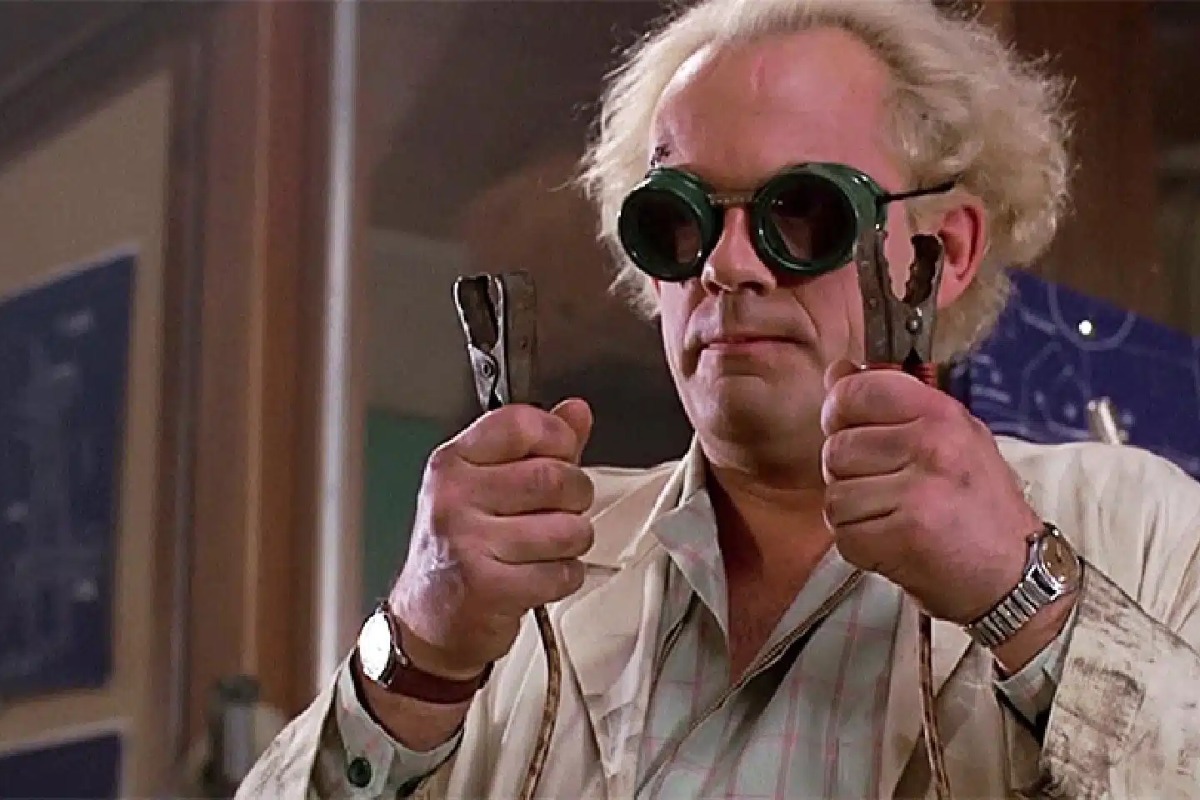
Forty years on, a single photo from Back to the Future still refuses to make sense. If time edits the family, who was behind the camera?
A single snapshot in Back to the Future refuses to sit quietly in the album, pulling viewers into its paradox. Meant to chart Marty McFly’s existential peril, it also begs the question of who took it once timelines start shifting. And when the past is tweaked, the present returns with familiar faces and props that don’t quite tally, a contradiction the film embraces. We dig into the riddle, the time rules envisioned by Robert Zemeckis and Bob Gale, and the narrative license that keeps the debate alive.
The enduring charm of Back to the Future and its puzzling photograph
For 40 years, Back to the Future has remained more than just a beloved classic; it’s a cultural touchstone that continues to spark conversations and debates. Released on July 3, 1985, the film centers its multi-layered narrative on an object that raises more questions than answers, a simple family photograph. Fans haven’t stopped puzzling over its mysteries, even decades later. Why does this image still capture imaginations?
The mystery of the vanishing family
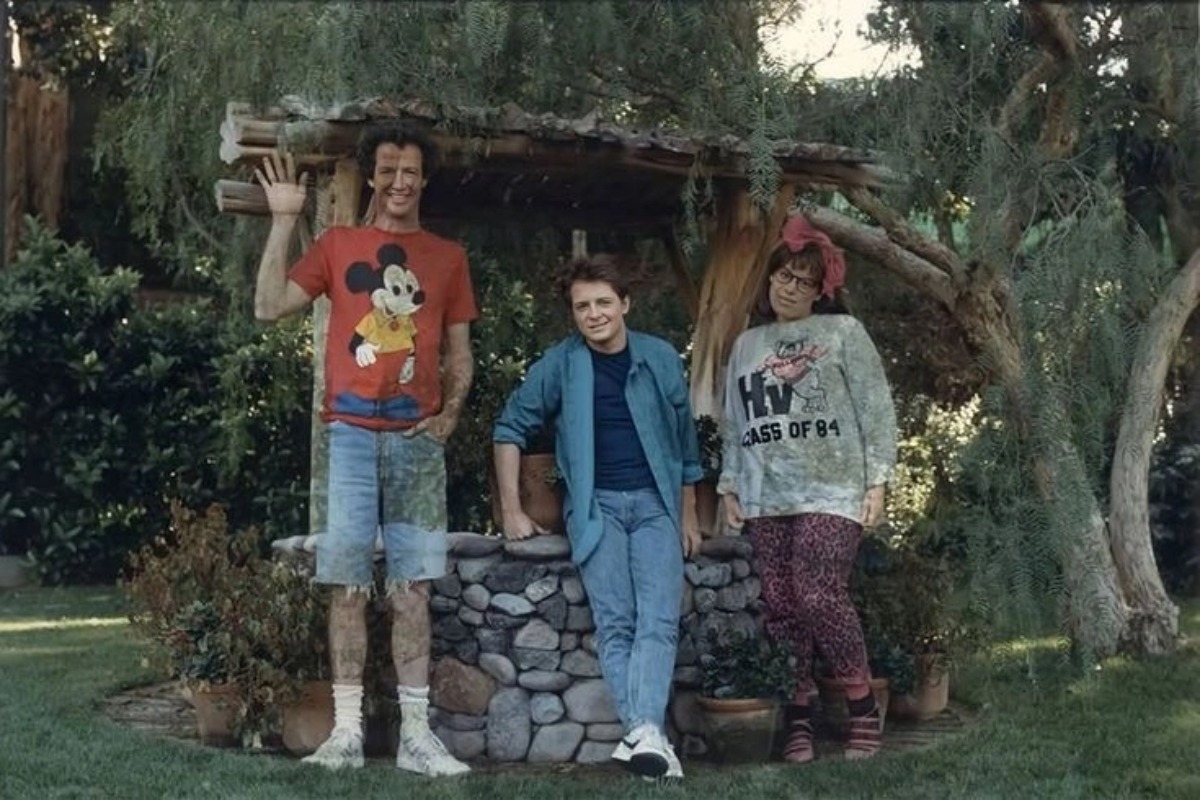
In the film, the family photograph serves as both a visual cue and a nerve-wracking plot device. With Marty McFly’s time in 1955 creating ripples in the timeline, the photograph becomes a chilling reminder of what’s at stake. As Marty struggles to ensure his parents, Lorraine and George McFly, fall in love, the image of himself and his siblings, Dave and Linda, begins to fade. What could be more haunting than the possibility of disappearing, erased from history as though you never existed? But here’s the kicker: who took the photo in the first place, if the changes in the past could have erased the subjects? The enigma of the photographer lingers as a tantalizing loose end.
The perplexing world of temporal paradoxes
Time travel films often dabble in paradoxes that bend the mind, and Back to the Future is no exception. In Marty’s case, every action in 1955 creates ripples he couldn’t have foreseen. These changes alter his family’s future, ultimately resulting in a vastly different present when he returns to 1985. Yet some elements remain curiously untouched, the photograph, despite the fading and reappearing antics of the characters, preserves an old-school, pre-changed version of the family. Is this just an artistic flourish, or does it hint at deeper questions about how time travel paradoxes interact with memory and material objects?
Artistic liberties or intentional mystery?
The filmmakers, Robert Zemeckis and Bob Gale, have been commended for crafting such a tight and engaging story, but could this inconsistency actually be deliberate? The appeal of Back to the Future lies, at least in part, in its refusal to over-explain itself. Some fans believe this ambiguity, such as why the photograph does not adjust to other updated realities, reflects an artistic choice. After all, the charm of the film rests in its playful relationship with time, and the photograph’s fading effect captures the emotional stakes for Marty and viewers alike, making it a powerful narrative device even if it raises questions.
A puzzle worth pondering
Decades later, the mystery behind the photograph remains unsolved, but perhaps that’s the point. Its open-ended nature invites viewers to revisit the film again and again, each time finding something new to wonder about. Whether it’s a gap in logic or a deliberate choice by the filmmakers, this photograph has become as much a part of the movie’s legacy as the DeLorean itself.