
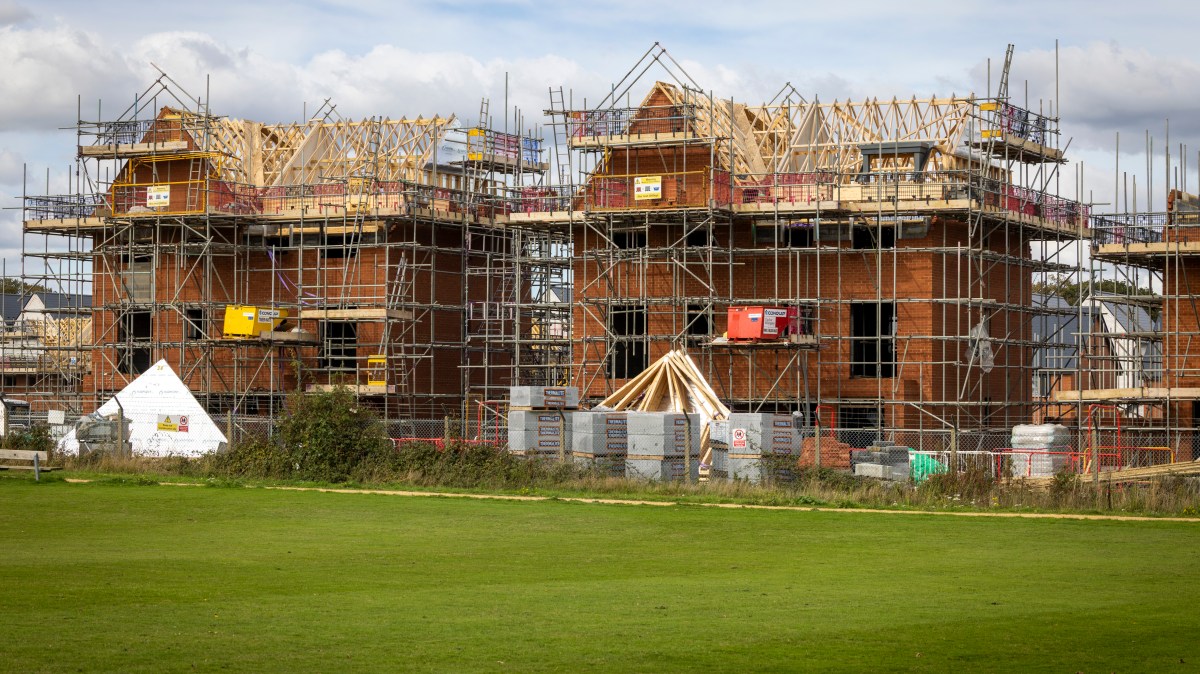
Natural England’s flagship nature “offsetting” scheme to unblock housebuilding across the country has resulted in fewer than 3,000 homes being built at a cost of £28 million, figures show.
The environment quango hailed the programme as a “certain and faster” way to get homes built when it was created in 2022.
It promised to clear 40,000 new properties within a year that could not be built because of strict environmental pollution rules, which had effectively banned developments across significant parts of the country.
• Why landowners are selling biodiversity credits to housing developers
Under the plan developers would buy “credits” from Natural England at a cost of up to £2,000 per house that would allow developments to go ahead, with the funds going to offset any environmental damage through projects designed to reduce nutrient pollution.
However, the quango has said that since the scheme began only 2,999 homes have been issued with nutrient mitigation certificates, enabling them to proceed through planning towards construction.
The scheme cost £28 million to develop and had only received income of £7.7 million from developers who applied for certificates to build homes. The figures suggest the cost of the scheme per house built is just under £10,000.
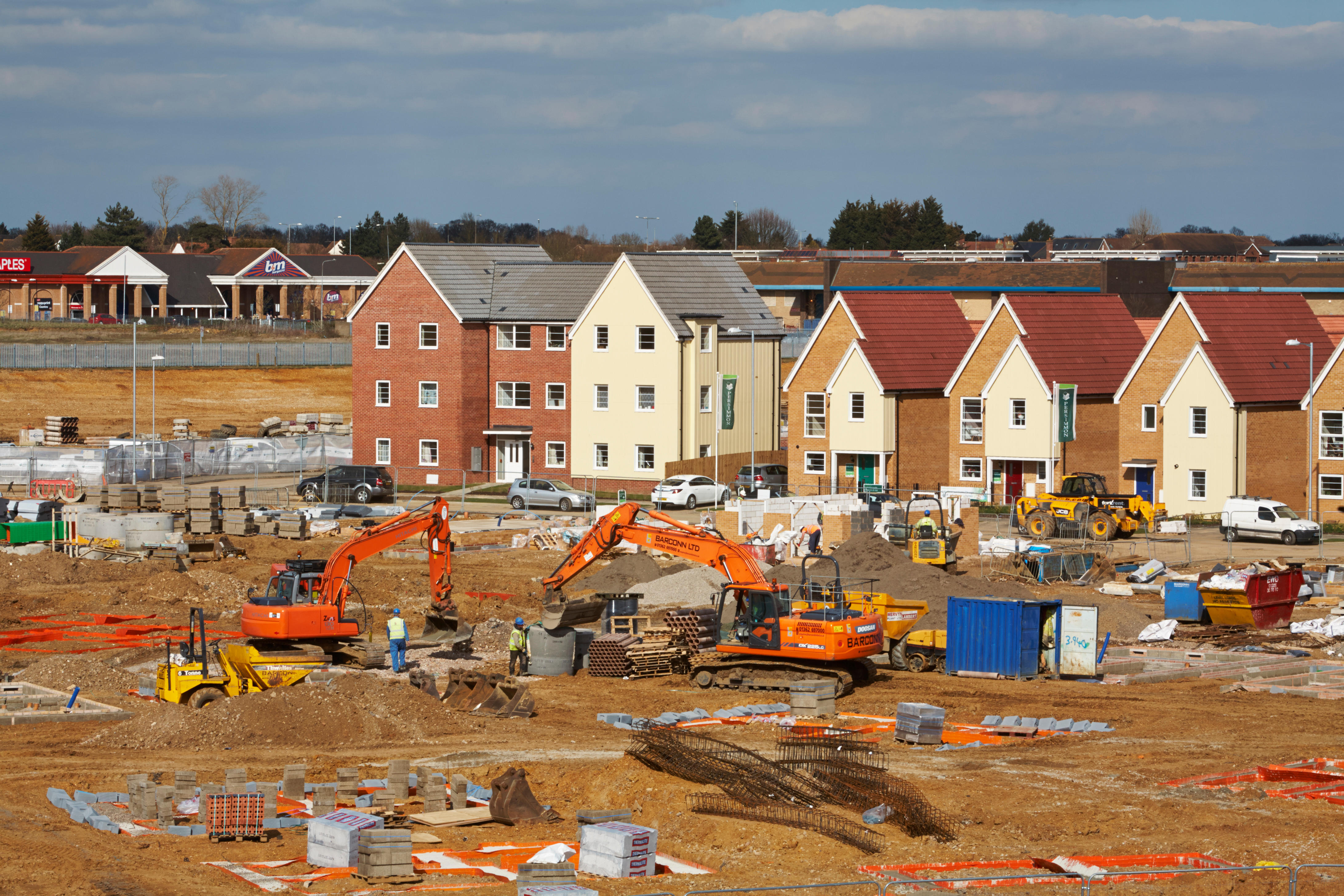
Pollution rules had effectively banned housebuilding over swathes of the country
TONY WATSON/ALAMY
The failure of the scheme is the latest setback to government attempts to address the problem of “nutrient neutrality”, which has halted developments across significant parts of the country and put the government’s housebuilding targets in jeopardy.
The moratorium came into force after a ruling by Natural England in 2019 designed to protect the health and biodiversity of wetland areas.
It stated that the developments in designated areas should only be allowed if it can be shown they would not contribute to increasing levels of nitrogen or phosphorus in rivers. These substances can reduce oxygen levels in water, causing the deaths of invertebrates, which reduces food supplies for protected bird species.
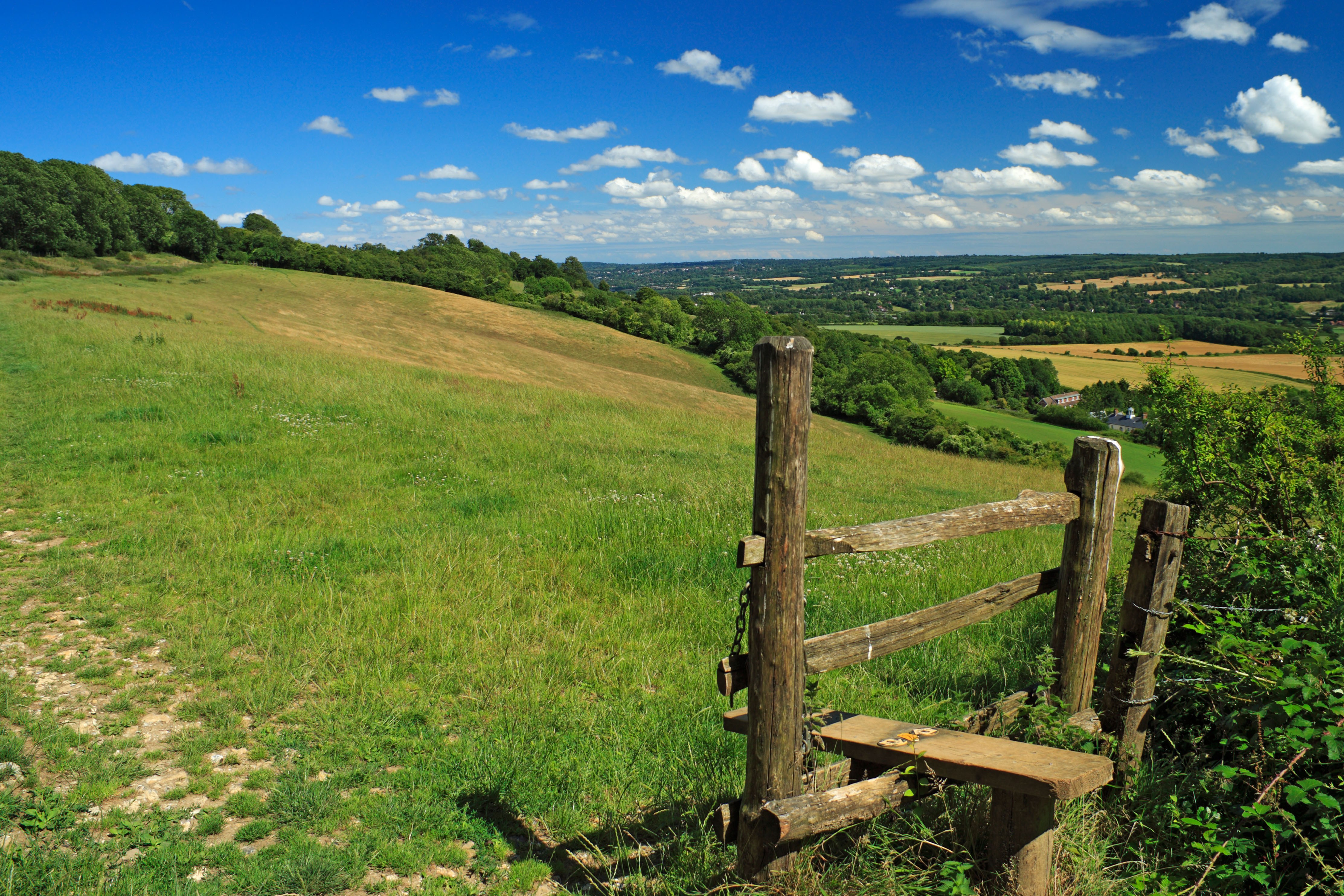
Within a few years the ban covered areas including parts of Kent, Cornwall, Dorset and the northeast of England.

The North Downs near Canterbury, Kent
STEWART MCKEOWN/ALAMY
Many councils issued a blanket ban on development in the affected areas until the moratorium was lifted or there was clearer guidance on how to enforce the rules.
The Natural England offsetting scheme was designed to allow building to take place and use the money raised to pay for measures to reduce other types of nutrient pollution elsewhere.
Government sources said the scheme had suffered because a number of “technical challenges” had emerged, which made it “more challenging” and meant some schemes “were not technically viable”. The sources also said private mitigation schemes had been used by developers to work around the rules.
Henri Willmott, head of natural capital at Biocore Agri, a soil nutrient business that has proposed its own mitigation scheme, said the Natural England plan showed the dangers of allowing regulators to become market participants. “You wouldn’t let the Financial Conduct Authority run a hedge fund or the Civil Aviation Authority run an airline so why is an environmental regulator participating commercially in the nature markets it oversees?” he said.
“In the private sector if a company had lost £20 million of the company’s money, you would be sacked. But in this case it appears there is no accountability. Natural England have completely failed to deliver on their promises made to ministers and have a duty to explain why and how they are going to rectify the problem.”
The Home Builders Federation said Natural England’s projections were “always overly ambitious”. It said: “Not all developers will have subscribed to the Natural England scheme because either they’ve been able to procure their own solution or because they cannot afford to. However, it is right that the agency is focused on solutions to resolve an issue that has caused delays to thousands of homes for over five years.”
Mike Burke, the head of sustainable development at Natural England, said: “We are committed to supporting sustainable development that enables new homes and cleaner rivers. Environmental regulation and development are not in opposition, and we have demonstrated that through our support for the whole nutrient mitigation market since 2022. This includes supporting private market and other government-led schemes alongside the new nature restoration fund.”