
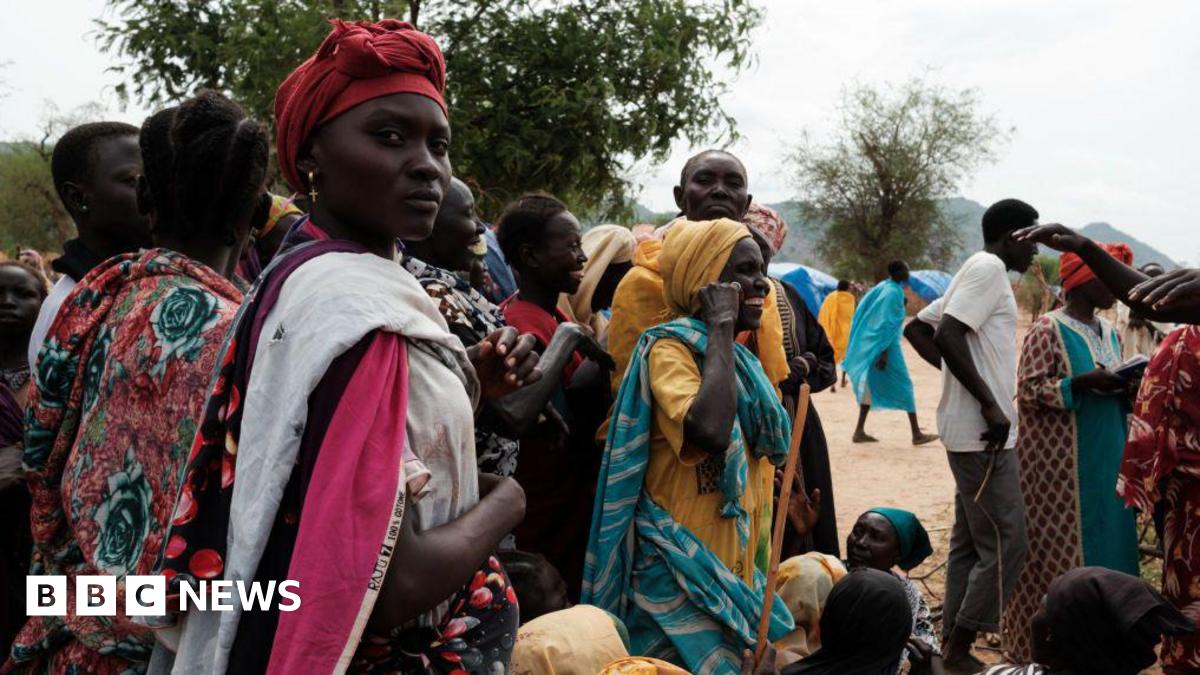
Local official Essam al-Din al-Sayed, head of the Kalogi administrative unit, told AFP news agency that drone attacks struck “first a kindergarten, then a hospital and a third time as people tried to rescue the children”.
There was no immediate comment from the RSF who have in the past denied harming civilians but were accused by Mr Tedros in October of killing hundreds of civilians at the main hospital in the Darfur city of el-Fasher.
Mr Tedros said on Monday that survivors of the Kalogi attack had been moved to Abu Jebaiha Hospital, South Kordofan, for treatment and that urgent calls were being made for blood donations and other medical support.
“Disturbingly, paramedics and responders came under attack as they tried to move the injured from the kindergarten to the hospital,” he added.
“WHO deplores these senseless attacks on civilians and health facilities, and calls again for an end to the violence, and increased access to humanitarian aid, including health.”
Without apportioning blame for Thursday’s attack himself, Mr Tedros called for an end to the war, posting on X: “Sudanese have suffered far too much. Ceasefire now!”
The RSF described its capture of the Heglig oil field, near the southern border, as a “pivotal” moment.
An army source told Reuters news agency that government troops had pulled back to protect the oil facilities and prevent damage.
Another source working at the oil field added that the army and oil workers had withdrawn into South Sudan, which became independent from the rest of Sudan in 2011.
According to Reuters, Heglig houses the main processing facility for South Sudanese oil, which makes up much of the revenue for South Sudan’s government and is also vital for Sudan’s hard-currency earnings.