

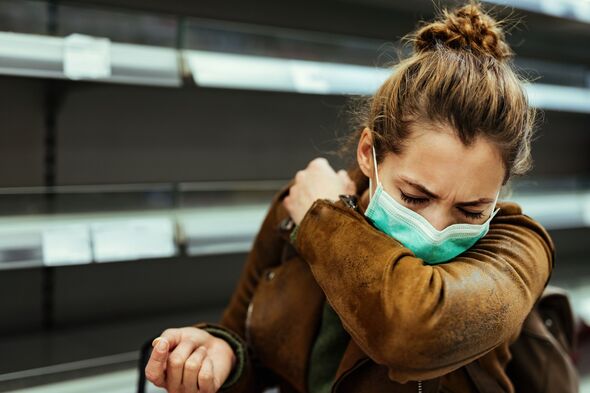
Masks could be coming back with the spread of the ‘superflu’ (Image: Getty)
A “mutant” flu strain is currently wreaking havoc across the UK and a map has now shown the virus hotspots in England. with The ‘superflu’ has seen schools close and NHS departments declare “critical” incidents.
Daniel Elkeles, Chief Executive of NHS Providers, has even advocated for the reintroduction of masks, particularly for those with colds in public places. Speaking to Times Radio about whether unwell individuals should wear masks in office environments, Elkeles said: “I think that would be very sensible to all their colleagues, or probably their colleagues will say, ‘please go home’.”
The strain affecting the UK is a mutation of the influenza A virus, known as either H3N2 or subclade K. This has resulted in several schools entering lockdown recently, despite government assurances that this would only be necessary in “extreme circumstances”.
The map below indicates the areas most severely hit, revealing that University Hospitals Birmingham NHS Foundation Trust has the highest number of flu patients in the country, averaging 147 hospitalised patients over the past week.
Manchester University NHS Foundation Trust follows with 92 patients, Barts Health NHS Trust in London with 80, and University Hospitals of North Midlands NHS Trust with 59.
National Medical Director for Urgent and Emergency Care, Professor Julian Redhead, issued a stark warning: “Today’s numbers confirm our deepest concerns: the health service is bracing for an unprecedented flu wave this winter. Cases are incredibly high for this time of year and there is no peak in sight yet.
“The NHS has prepared earlier for winter than ever before, but despite that we know that ballooning flu cases coinciding with strikes may stretch our staff close to breaking point in the coming weeks.
“There have never been more ways for people can get the care they need, so for non-life-threatening care, people should call NHS 111 or use 111 online, which can direct you to the most appropriate place.”
The situation has become so dire that University Hospitals Birmingham NHS Trust declared a critical incident across Queen Elizabeth, Heathlands and Good Hope Hospitals, along with Solihull Hospital.
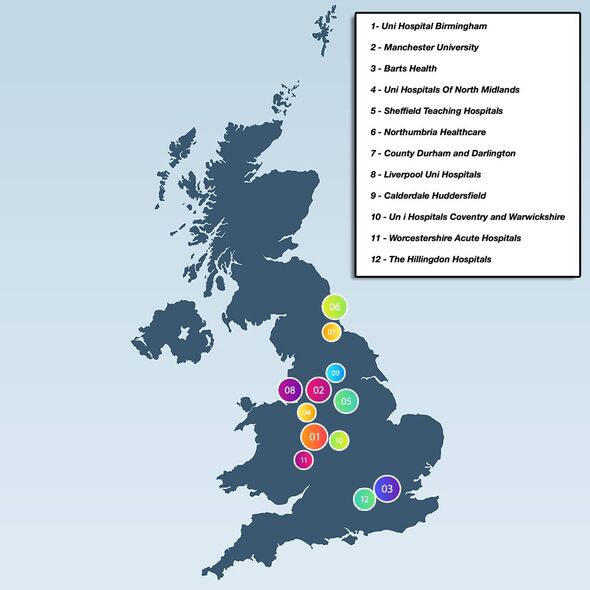
Another map highlighting the hospital trusts that are most impacted (Image: undefined)
The trust reported being under “extreme pressure” with emergency departments “overcrowded”, leading to waiting times reaching nine hours and 33 minutes at Heartlands Hospital.
A social media message urged: “Urgent message for local patients. Due to the extreme pressures in our emergency department, demand for beds and numbers of patients with flu, we have declared a critical incident. Please consider other services for any minor healthcare needs.”
Regarding potential causes of the strain, one theory points to insufficient vaccination rates amongst eligible populations, particularly schoolchildren and NHS staff.
This follows NHS England leaders calling for “urgent action” on staff vaccine uptake in correspondence sent to hospitals.
Whilst the national average for NHS staff receiving the flu jab stands at 29.7%, figures from the end of October revealed the Midlands average fell short at 27.5%. Hospital leaders have been pressed to boost uptake by 5% compared to the previous year.
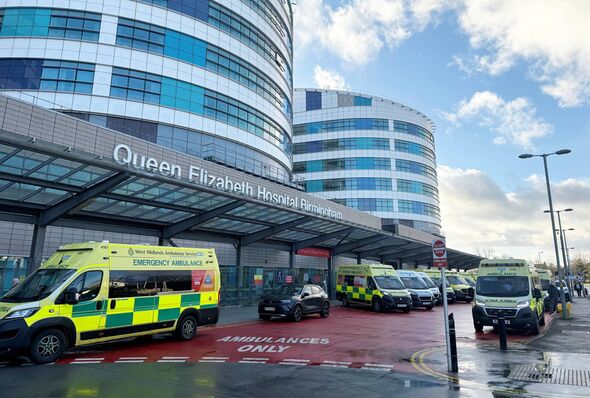
Queen Elizabeth Hospital in Birmingham has been heavily affected (Image: Anita Maric / SWNS)
NHS bosses have also urged eligible individuals to get their flu jab amid concerns the outbreak will reach its height over Christmas. The NHS stated it was “bracing for an unprecedented flu wave this winter”.
According to chief executive Sir Jim Mackey, between 5,000 and 8,000 people are expected to be hospitalised with flu across the UK by week’s end.
Dr Chris Streather, Chief Medical Director for the NHS in London, commented: “The NHS has prepared earlier for winter than ever before, but despite this, we know that surging flu cases, coinciding with industrial action by resident doctors, will put pressure on services in the coming weeks.
“While we’ve vaccinated over 1.8 million people this season, there are still vulnerable people who haven’t come forward. If you’re in one of the eligible groups and you haven’t had your flu vaccine yet, I urge you to come forward as soon as possible – it’s never too late.”
NHS Midlands has been sharing powerful video messages emphasising the potential dangers of missing the flu jab, including serious illness or even death.
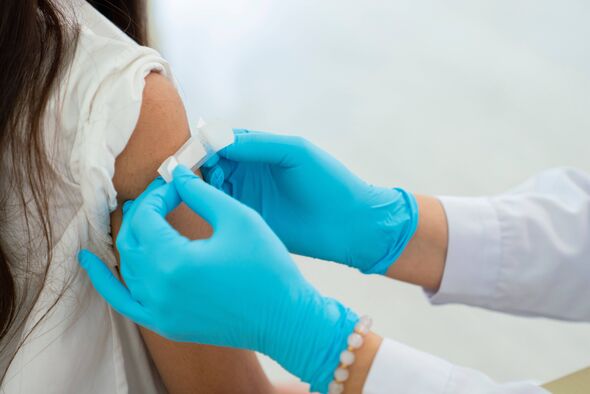
Flu cases are surging and elible groups are being urged to get the jab (Image: Witthaya Prasongsin via Getty Images)
Regarding England’s over-65s, 60.9 per cent have received the vaccine, though London lags behind significantly at just 47.5 per cent.
The capital also recorded the lowest vaccination rates amongst schoolchildren at 22.1 per cent, well below the national average of 27.6 per cent across all year groups by the end of October.
Last week, the UK Health Security Agency released guidance on gov.uk outlining how to prevent catching or transmitting flu and other respiratory infections.
The recommendations included:
“Get vaccinated if you are eligibleIf you are feeling unwell, stay at homeIf you’re meeting people indoors, open a window for fresh airJust keep in mind the room temperature and whether anyone might be sensitive to the coldPractise good hygiene: cough into your bent elbow, or use a tissue and dispose of it afterwards in the nearest bin; wash your hands frequently with warm water and soap; clean your surroundings often, especially areas that are touched frequently such as door handlesWear a mask when you are unwell and need to go out”