
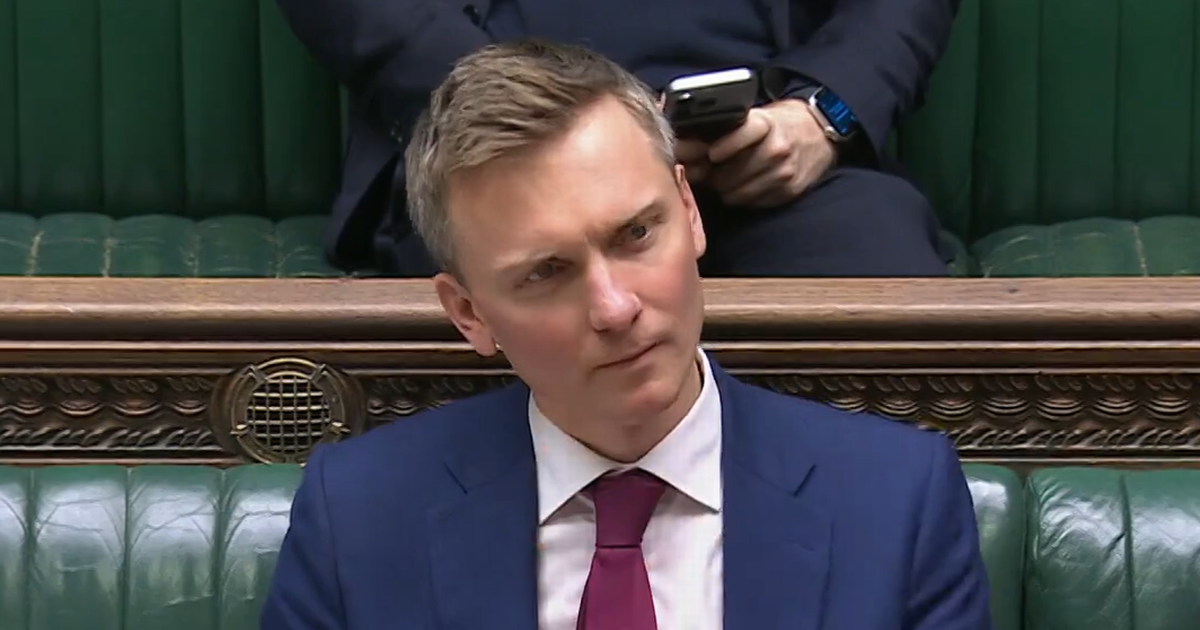
Conservative MP Sir Edward Leigh has called for phasing out the State Pension triple lock, warning it’s ‘bankrupting’ Britain during House of Commons debate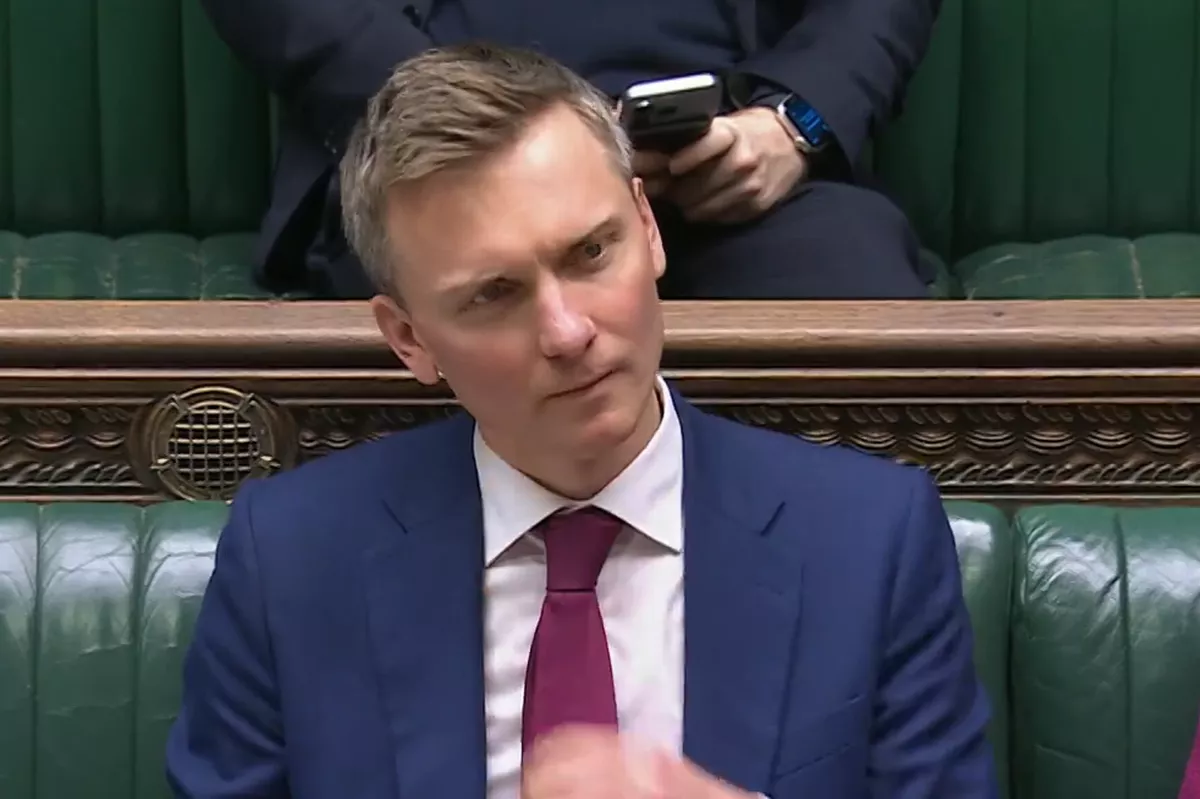 Parliamentary Under-Secretary of State for Work and Pensions Torsten Bell gave a triple lock update(Image: Parliament TV)
Fresh calls have been made in the House of Commons for the termination of the State Pension triple lock. During a discussion on Work and Pensions, Conservative Sir Edward Leigh argued for its end, claiming it is ‘bankrupting’ the country.
Last month, Chancellor Rachel Reeves announced a 4.8% rise in the basic and new state pension for next year. The Parliamentary Under-Secretary of State for Work and Pensions, Torsten Bell, informed the Commons yesterday: “To tackle pensioner poverty, we are both increasing the state pension and running the biggest ever pension credit take-up campaign.
“Raising the new state pension in line with the triple lock over this Parliament is set to increase it by over £2,000 a year, while 60,000 extra pension credit awards were made in the year to July compared with the previous 12 months.”
However, Father of the House, Tory Sir Edward Leigh, countered: “I am very grateful to the Minister to be in receipt of the triple lock, but it is not an effective way of tackling pensioner poverty and it is bankrupting the country. I am sorry not to be party political, but can we not have a consensus between the parties that we should phase out the triple lock, concentrate resources on pensioners in real poverty and have an agreement on dealing with benefits generally to get people back into work? We should work together.”
Mr Bell responded: “I am always keen to work together with the Father of the House. He mentions the triple lock, but we are doing far more things to tackle pensioner poverty. There were 900,000 pensioners eligible for pension credit under the Conservatives who were not claiming, and that is why we have brought forward the biggest take-up campaign ever seen.”
“The marketing campaign this year will run from September to the end of the financial year, we are carrying out research on what works to encourage take-up of pension credit and we are stepping up data sharing across Departments, including between His Majesty’s Revenue and Customs and the Department for Work and Pensions.”
The Office for Budget Responsibility (OBR) discovered earlier this year that, owing to inflation and earnings volatility, the triple lock has cost approximately three times more than originally anticipated.
Uprating through the triple lock rather than earnings alone will have added £15.5 billion to the state pension bill each year by the end of the decade (2029-30), the budget watchdog calculated.
According to the Treasury’s Budget, the Government’s “commitment to the triple lock for the duration of this Parliament” will “support the incomes of over 12 million pensioners”. During November’s budget, the government announced its intention to amend legislation to allow inflation increases on pre-1997 pensions for PPF and Financial Assistance Scheme (FAS) members.
The government has confirmed it will legislate to enable payment of inflation increases – also referred to as indexation – of up to 2.5 per cent on pre-1997 compensation and assistance payments to PPF and FAS members.
This would be applicable to those members whose original schemes included provisions for indexation on pre-1997 pensions. The change would largely bring pre-1997 indexation rules into line with those already established for post-1997 pensions for PPF and FAS members.
Labour’s Gill Furniss raised the issue: “More than a quarter of a million pensioners received compensation from the Pension Protection Fund and the financial assistance scheme, but those who accrued their income before 1997 have suffered a real-terms cut of 24% in the past five years alone. I welcome the Chancellor’s commitment to provide indexation on these accruals, but many of those who will benefit are elderly and in ill health. Can the Minister confirm that he will implement this much-welcomed change as quickly as possible?” Mr Bell responded: “I thank my hon. Friend for that important question. I, like her, have met and listened to lots of those affected by the lack of indexation on pre-1997 accruals within the PPF and the FAS. I can assure her that, assuming the Pension Schemes Bill receives Royal Assent, the uprating will take place at the next PPF uprating, which means January 2027 on cur”.