
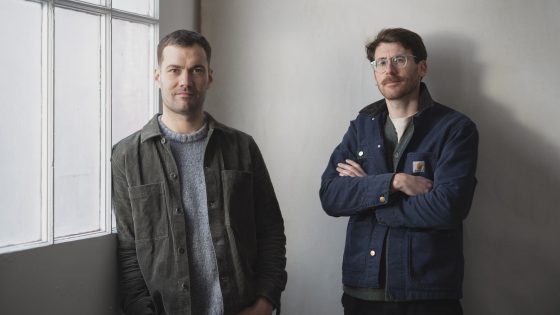
Practice name Oddment
Based Peckham, London
Founded 2024
Main people Ned Scott and Alex Somerville, founding directors
Where have you come from?
We met at Bell Phillips, where we both worked for several years. Over time, we found ourselves drawn to the idea of small-site development and began some initial conversations about how we might get into it.
Our interest grew from a growing frustration with the realities of conventional practice: limited creative control, slow timelines and diminished design ambition.
But it also came from a more personal realisation: starting a conventional architecture practice wasn’t going to get us where we wanted to go. Frankly, it was difficult to see how we might find clients who would commission us as architects to do the sorts of projects we were interested in – and who would genuinely value our design approach while paying a reasonable fee. So, seeking sites ourselves felt like a natural step to give us the creative and financial autonomy we were looking for.
During the long days of the Covid lockdowns, we found ourselves walking the streets of London more than ever. We’d often come across curious little plots – awkward corners, forgotten backlands, overlooked spaces – and share them with each other, imagining what they could become.
‘Seeking sites ourselves felt like a natural step to give us creative and financial autonomy’
After leaving Bell Phillips, making progress on those ideas wasn’t easy. We were both running our own small practices – Foils Architects and SOMA – while juggling teaching roles at UCL, Greenwich, and London Met, and raising young families. Time was in very short supply. But we carved out what time we could and spent it looking for interesting sites, testing their capacity, running financial appraisals, writing letters and meeting landowners.
As well as the shortage of time, we also faced a more fundamental hurdle: we didn’t have the capital to buy a site ourselves. That meant we had to quickly get to grips with the world of development finance, learning what it takes to borrow from commercial lenders and, at the same time, how we might build the kind of trust needed to bring private investors on board.
It was a steep learning curve, but we soon realised that understanding finance would be just as critical as design if we were going to turn our ideas into reality.
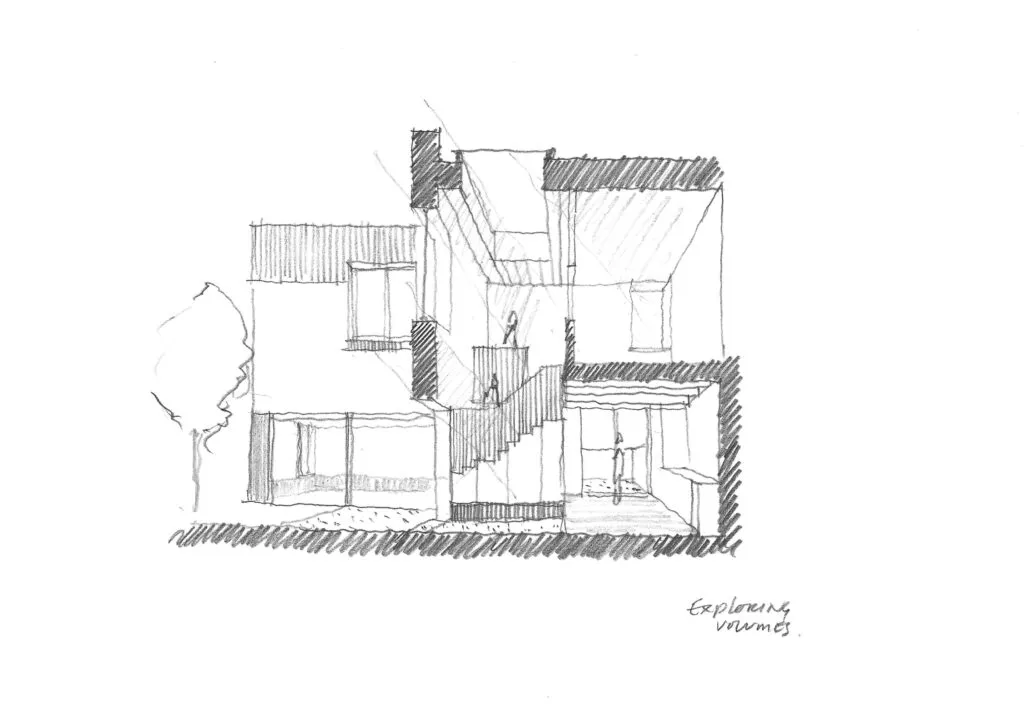
Torridon Road, process sketch/section
After numerous opportunities didn’t quite work out for one reason or another, we got our break when we found a plot of land in Lewisham, which was for sale at auction. It had a tricky planning history with two recent refusals, but we saw potential where others might have walked away.
‘We didn’t have the capital to buy a site ourselves’
Confident we could take a more thoughtful route through the planning process, we ran the numbers, raised the funds, and bought the site in May 2024. A week later, Oddment was born.
What work do you have and what kind of projects are you looking for?
We are an architect-led development practice that specialises in the development of small sites. By focusing on small sites, we’re responding directly to the opportunity identified in the 2021 London Plan – and now reflected in many local plans and design guides – which recognises the important role small sites can play in tackling the housing crisis.
Current GLA policy expects that at least 10 per cent of each borough’s annual housing target should come from sites of 0.25ha or less, which equates to 119,250 homes in London over a 10-year period.
Small-site opportunities are relatively plentiful, but they often come with complex risks and constraints. But for us, that’s part of the appeal. These challenges create opportunities to be inventive, to design from first principles and develop solutions that are deeply responsive to their context. Because we act as both architect and developer, we’re able to make the most of this opportunity as we have full control over the process from start to finish.
‘It’s a privilege not spending time trying to convince clients about your design direction’
We’ve really enjoyed having freedom over the timescale of our projects, which has given us the flexibility to find a good work-life balance. It’s also a wonderful privilege not to have to spend time and energy trying to convince clients about the design direction you’d like to take or putting together RIBA Workstage reports.
Our very first project for two houses in Lewisham now has planning permission and will be starting on site in the coming weeks.
We have recently acquired a new site in Ealing through the GLA’s Small Sites Programme, and we’re also looking at several other sites in Lewisham, Ealing, Merton and Slough.
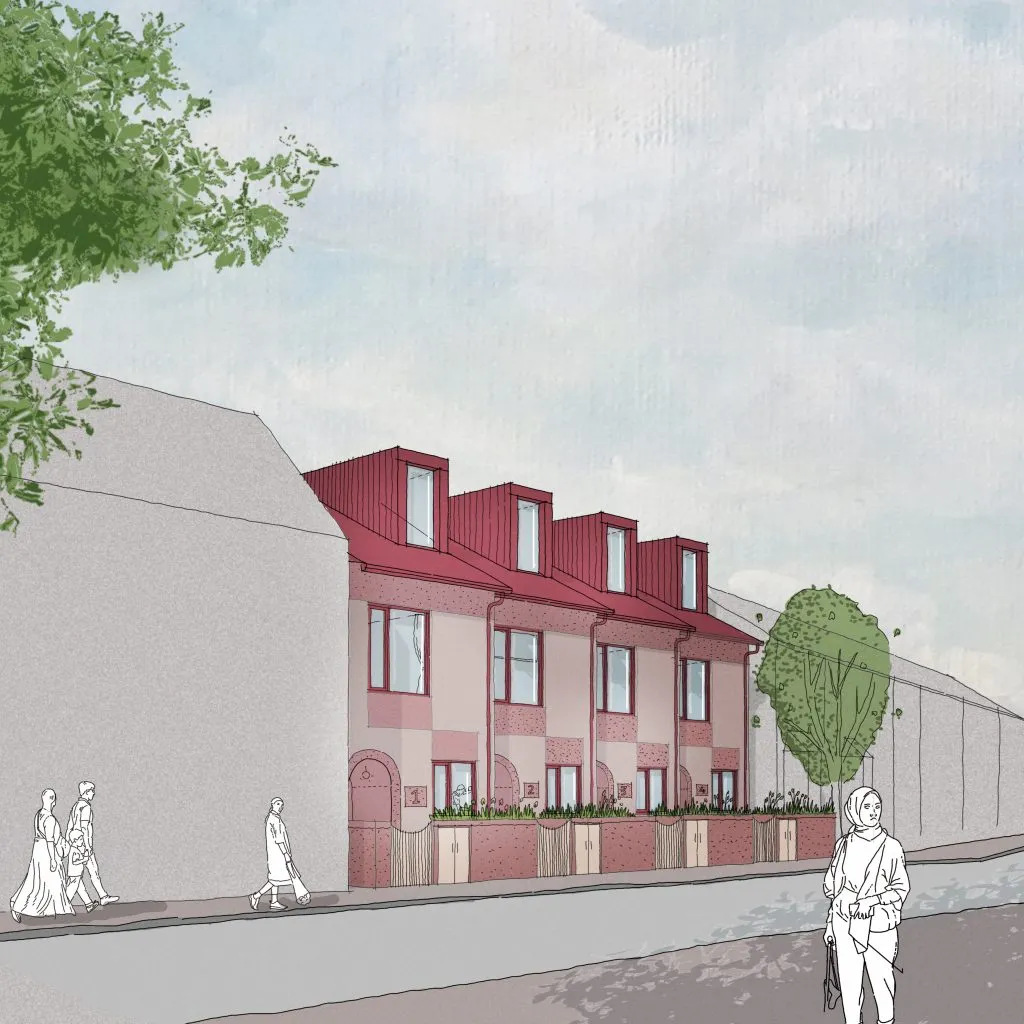
A scheme to replace garages in Recreation Road, London
What are your ambitions?
In the short term, our focus is on building momentum. We are focused on getting more projects under our belt and establishing a reputation as a small-sites developer with strong design values.
Over the past two years, we’ve learned a great deal about how to identify the right sites, assess their potential, and raise the necessary funding. But we’re still learning, and each project brings new insights.
Looking further ahead, we’re excited by the freedom that comes with having full control over our projects. It gives us a unique opportunity to use development as a platform for experimentation – whether that’s through ambitious design, innovative materials and construction techniques, or low-energy building systems that respond to the climate crisis.
What are the biggest challenges facing you as a start-up and the profession generally?
Our biggest challenge was securing our first development opportunity. We invested a great deal of time and effort searching for suitable sites and conducting appraisals before finally landing on one that worked.
Since overcoming that initial hurdle, things have become somewhat easier, largely because we’ve gained valuable experience and are now able to dedicate more time to Oddment. Along the way, we’ve also built a strong network of useful contacts. All of this has helped us refine our development strategy and identify new opportunities.
‘It’s a challenge to consistently secure engaging projects offering fair fees’
Starting a new enterprise in the current climate is far from easy, and much of the advice we’ve received has reflected that, often leaning towards the cautious or even pessimistic. We both still run our own practices, operating these alongside Oddment. While we’ve found many aspects of running our own practices rewarding, it remains a challenge to consistently secure engaging projects that offer fair fees and creative freedom.
That said, we’re feeling far more optimistic about the future of Oddment. Shifts in planning policy at both regional and local levels are placing renewed emphasis on the potential of small sites to contribute meaningfully towards the housing crisis.
This changing landscape is opening up new opportunities for smaller, design-led developers like us. While the road ahead won’t be without challenges, we’re encouraged by the direction of travel and feel that Oddment is well placed to respond creatively to the opportunities which are emerging.
Which scheme, completed in the last five years, has inspired you most?
We really like Chowdhury Walk by Al-Jawad Pike. Rather than being a limitation, the constraints of the site have been transformed into opportunities to craft a highly bespoke and contextually responsive design. It’s a great example of how small, constrained sites can create some of the most thoughtful and inventive architecture.
Further afield, we love the work of H Arquitectes and especially the experimental material invention in its recent Social Housing 2104 in Mallorca, which reuses demolished materials in an extraordinary way.
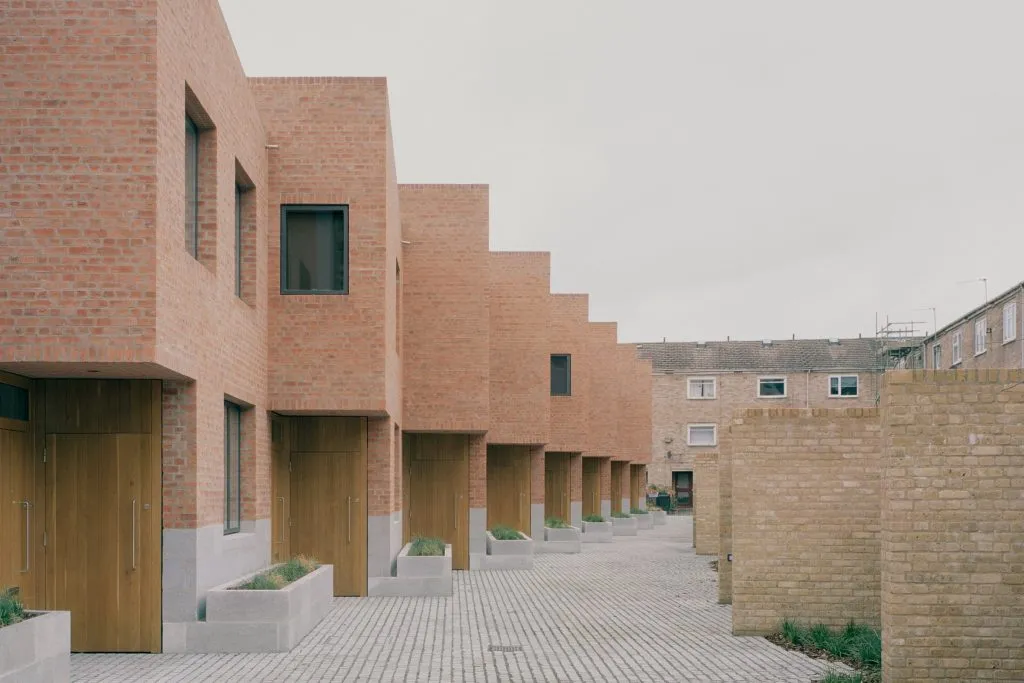
Al-Jawad Pike’s Chowdhury Walk. Photo: Rory Gardiner
Are you using any new design techniques, such as AI?
Not really. If anything, we’ve taken a step back from high-tech tools. We deliberately keep our overheads low by using simple software and relying heavily on hand drawing and physical models.
That said, our design thinking is very much contemporary and we’re always keen to explore new materials, innovative construction methods and experimental ideas that challenge conventional practice.
How are you marketing yourselves?
We’re really keen to build strong relationships with local authorities and have focused in particular on Lewisham and Ealing, where we’ve developed good connections with local councillors and officers – many of whom we first met through council-led events. We also regularly attend events organised by the Developer Collective and YADA, where we have met lots of great contacts who have given us valuable advice as we’ve grown.
Website www.oddment.co.uk
Instagram @oddment_development