
(Credits: Far Out / Warner Bros)
Wed 10 December 2025 19:45, UK
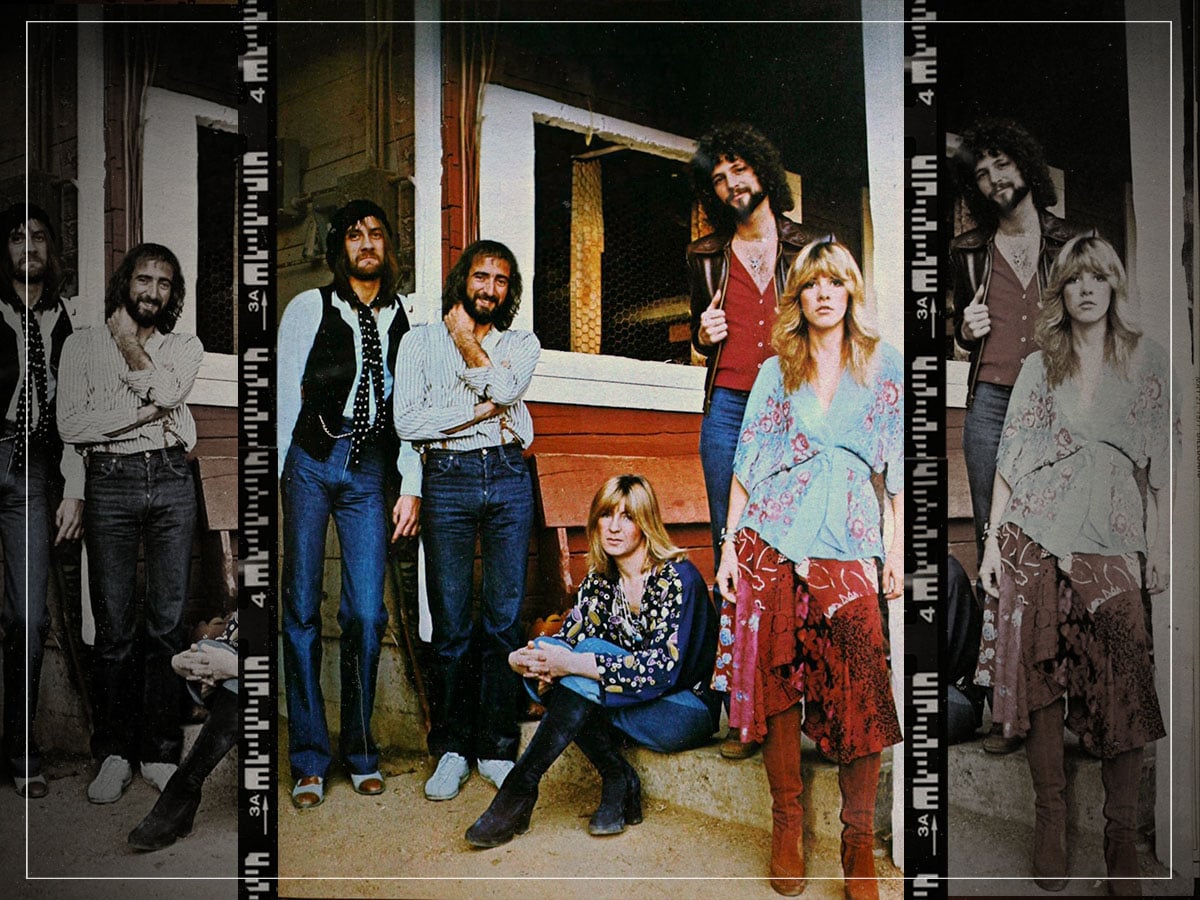
It’s hard to imagine Fleetwood Mac without Stevie Nicks. After she joined the group in 1975, she quickly became the face of the operation, delivering hit after hit and performing it with a unique style of charm that thrust the band into dream-rock royalty.
As bulletproof as this may have seemed, it wasn’t always the plan. In 1975, before their self-titled album, the band were facing somewhat of a crossroads. Their previous frontman, Peter Green, had departed after spiralling into LSD-induced madness, and the path of greatness they were once staring down had been swiped from them.
Despite the competitive landscape of the music industry at that time, Fleetwood Mac was becoming a blues force to be reckoned with, and under the stewardship of Green, it was onto something captivating.
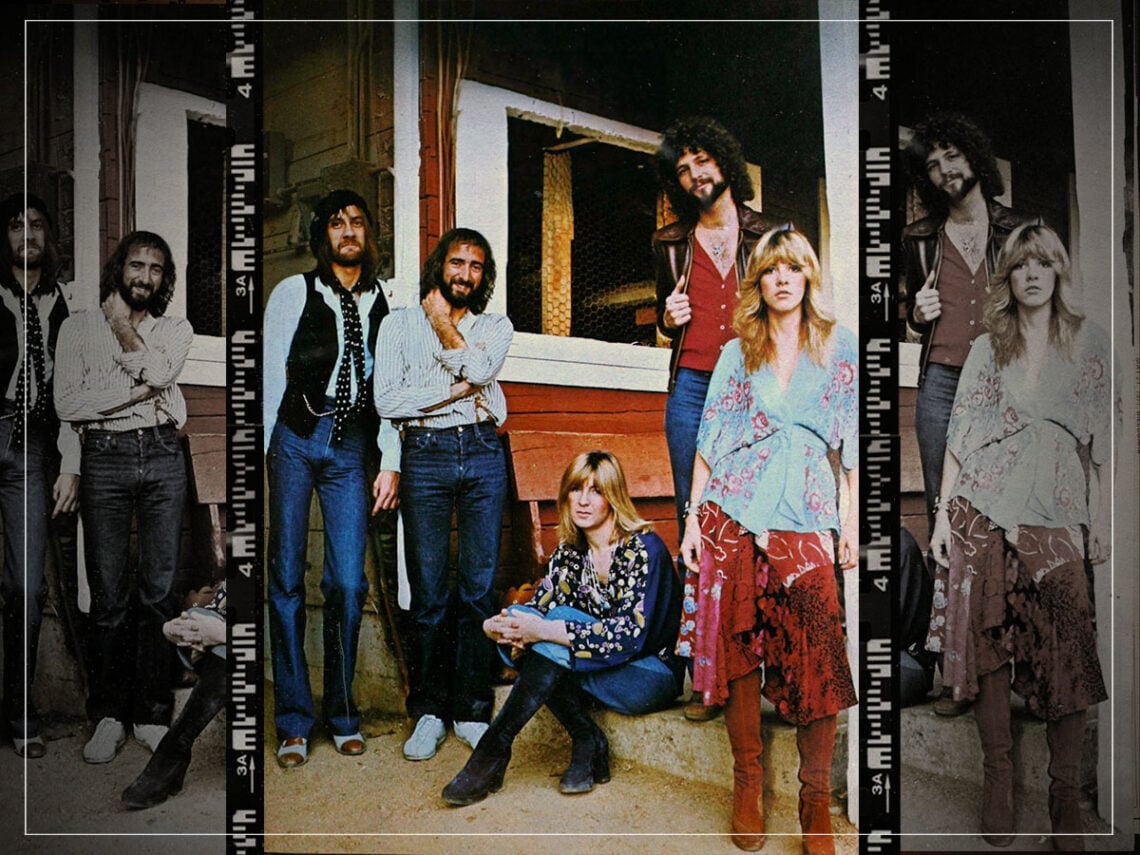
But suddenly, with the rug pulled from under their feet, it was once again up to the band’s leader, Mick Fleetwood, to find an alternative. The search took him across the pond and into the inbox of Lindsey Buckingham. With his soaring vocal range and mesmerising guitar ability, he was identified as the band’s next frontman, but to Fleetwood’s dismay, he would join on only one condition: bringing his partner Stevie Nicks into the fold.
Her admission was reluctant, given the hesitancy over how it would potentially work, doubling up the female vocals. But when Nicks swiftly struck up a loving relationship with Christine McVie and then delivered ‘Rhiannon’ and ‘Landslide’ to the new line-up’s first album, the perspective began to shift, and their faith was rightly put in Nicks as their creative figurehead.
Rumours came soon after their self-titled album in 1975, and Nicks’ place in rock immortality was confirmed. In ‘Dreams’, she had delivered the band their most recognisable hit of all time and planted the seed of a future solo career, one that would free her from the pain of her personal relationships within the band and let her explore her own personality nuances without any interruption.
Eventually, that opportunity came at the turn of the decade in 1981, and it was an instant success, with hits like ‘Edge Of Seventeen’ and ‘Leather And Lace’. She returned to the band after Bella Donna and continued on, despite the band’s decline, but her solo record had informed her of a new, equally great world that existed on the other side. Simply put, things had changed.
“If the book were to come out, a lot of people would cease to think of me as this eccentric, flaky girl,” Nicks explained. Adding, “My journals tell the real story of what went on, like the way things changed after Bella Donna came out. No one in the band ever said a word to me about my solo career. They were keeping quiet for their own best interests. They knew if they ripped Bella Donna apart, I wouldn’t give them any more songs. Remember, ‘Dreams’, which is just me, is the only gold single that Fleetwood Mac ever had.”
As triumphant as Nicks’ Fleetwood Mac story was, ultimately, it was filled with pain. Pain was necessary to make the band’s creative process work. Bella Donna saw Nicks find a creative outlet whereby she could free herself from that, and in doing so, potentially end the reign of Fleetwood Mac.
Related Topics