
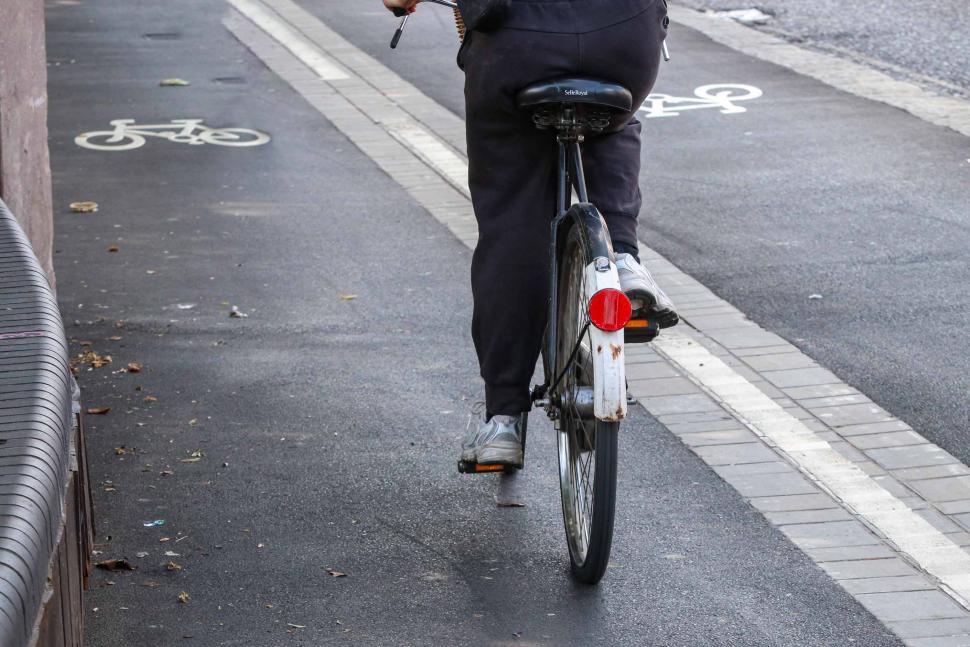
Campaigners have been lobbying the government to establish clear targets on active travel in line with other long-term transport strategies.
More than 50 groups – including British Cycling, Cycling UK and the British Medical Association – have signed a letter calling for the Transport Secretary, Heidi Alexander, to “move from good intentions to a clear, long-term, fully deliverable national plan comparable to other strategic transport programmes,” the Guardian reported.
The paper also quoted campaigners saying that “other transport modes operate with predictable five-year cycles and transparent progress reporting; active travel can and should match that level of maturity.”
“Long-term targets, with interim reviews, will give local leaders the confidence to plan networks, support larger projects, unlock private sector investment and demonstrate how devolved investment and progress contribute to national missions,” it added.
The letter comes as the government is continuing its consultation on its third Cycling and Walking Investment Strategy. The strategy promises a “fundamental shift” in active travel policy but is criticised in the letter as presenting objectives that are “not measurable”.
The Walk Wheel Cycle Trust (formerly Sustrans) were also one of the signatories to the letter, telling the Guardian that the strategy “has never quite lived up to” fulfilling its intended shift “from stop-start funding and priorities to a long-term framework for investment and change.”
The letter and fall-out over the government consultation risks undermining the messaging around its latest active travel funding announcements. Today, the government has announced £626 million in active travel funding for local authorities in England to fund approximately 500 miles of new walking and cycling infrastructure.
The government also re-graded the active travel capabilities of each authority, allocating funding roughly in accordance with the authority’s population and capability rating. Greater Manchester and the West Midlands each receive approximately £35 million, the Isles of Scilly receive £140,000. London does not receive direct funding, per the terms of its devolution agreement.
In total, nine authorities saw their capability rating upgraded, reflecting stronger local organisation towards planning and executing an active-travel oriented transport network. One local authority, the Tees Valley, has had its rating downgraded and will receive additional targeted support.
It is one of 39 local authorities that is given a Level 1 rating, meaning that active travel plans lack “strong local leadership”, and “isolated” schemes “do not yet form a plan for a coherent network.” No authority has yet received a maximum Level 4 rating which would reflect an “established culture of active travel”.
> “Mind-blowingly good” cycle lane proposals unveiled by local council
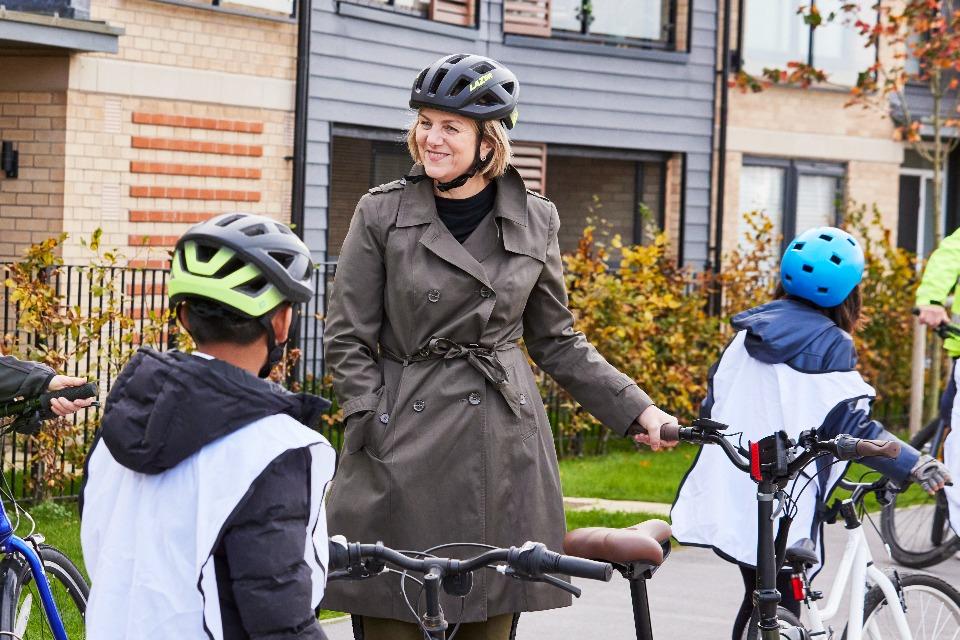 Lilian Greenwood Bikeability (credit: Gov.uk)
Announcing the new funding, Alexander’s junior minister Lilian Greenwood said the government’s investment “demonstrates our clear commitment to making walking, wheeling and cycling safer and more accessible for everyone. By backing councils with the funding and support they need, we are helping to create healthier communities, safer streets and greener local transport choices.
“It is especially encouraging to see nine councils improve their capability rating this year, reflecting real progress and dedication across the country. Together, we are delivering the high-quality infrastructure that enables people to travel more actively, helping cut NHS waiting lists.”
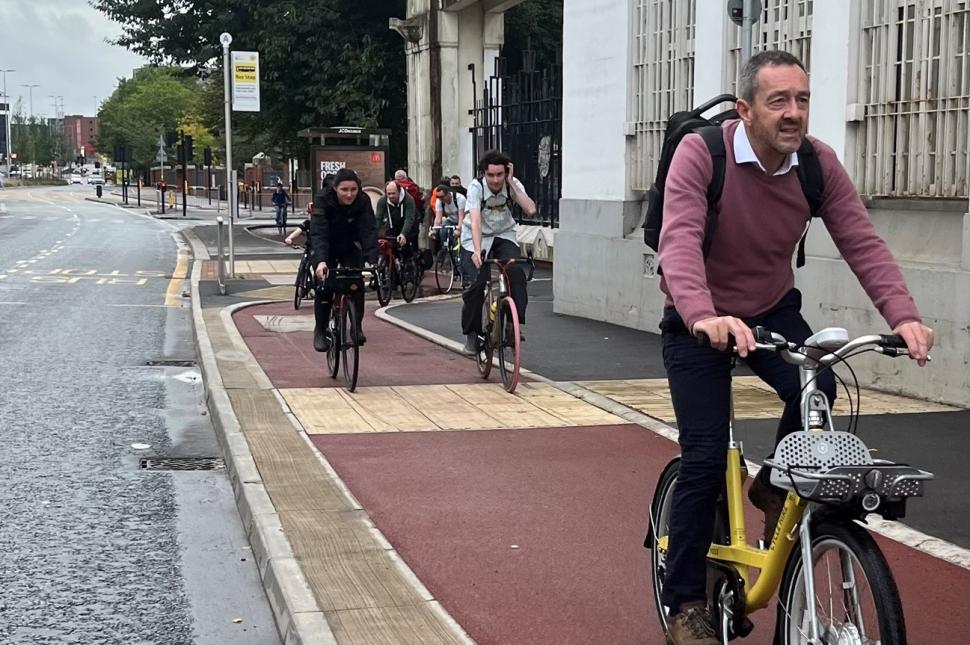 Chris Boardman (credit: Active Travel England)
Chris Boardman, National Active Travel Commissioner, said their “innovative funding approach is proving effective, consistently raising the ability of local authorities to deliver the level of quality needed to achieve that ambition. This is evidenced by nine authorities improving their capability rating this year, showing what’s possible when investment and levels of support are carefully tuned to local needs.
“We are not just building infrastructure — together, we are creating communities: places where parents feel confident letting children travel independently, and where older people can reach local shops with ease. We are building life back into our streets.”