
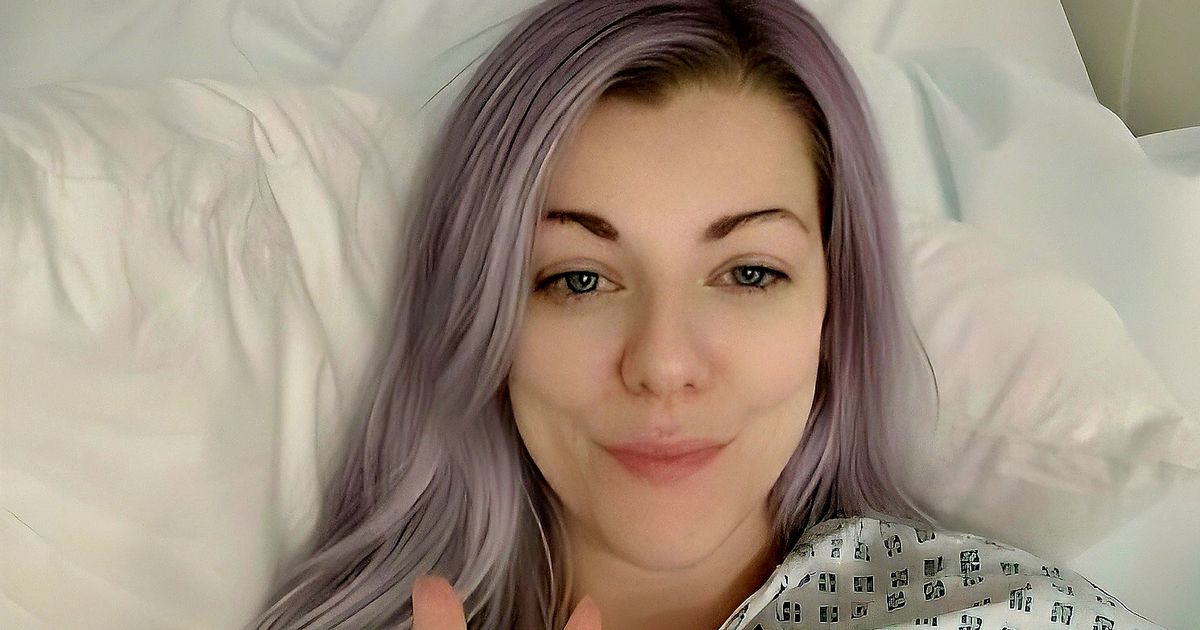
Campaigners have asked hospitals in Leeds to take action to better support women with the disease ‘which has no cure’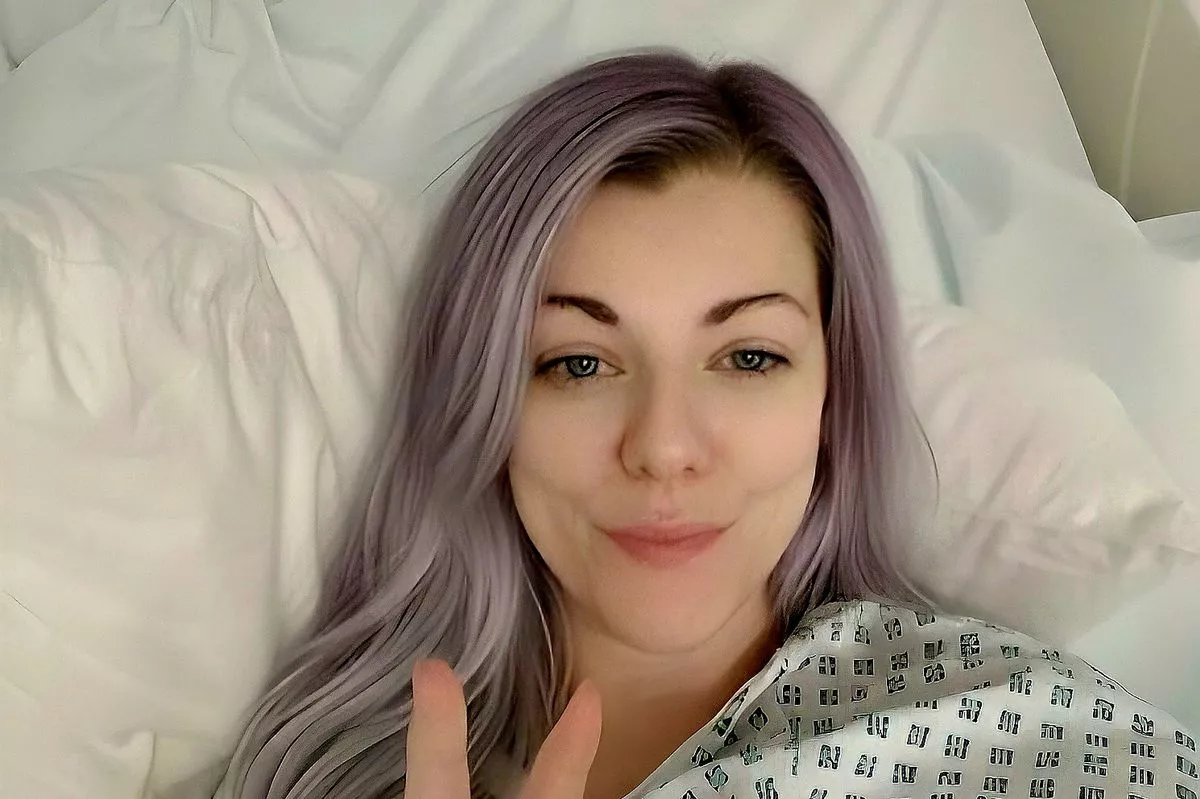 Vicky Taylor recovering from the diagnostic laproscopy which confirmed she had stage four severe deep infiltrating endometriosis after a two decade search for answers(Image: Vicky Taylor)
Leeds campaigners have called for the NHS to take action in the city to better support women’s health.
Endometriosis affects hundreds of thousands of women across the UK, including Vicky Taylor, from Leeds. Now, she is fighting for better care for women who suffer with the condition in Leeds and the rest of Yorkshire.
Earlier this year, Leeds Teaching Hospitals NHS Trust was awarded provisional Accredited Endometriosis Centre status by the British Society for Gynaecological Endoscopy (BSGE). This was recognition of the Trust’s work to treat endometriosis, and meant Leeds was one of the top hospitals in the UK for endometriosis treatment.
Vicky is full of praise for the staff, but says the Trust needs to do more to help people with the condition. She said: “Research suggests that the average time to get a diagnosis is eight years. I think that’s actually an underestimate, I think that actually it’s probably a lot longer than that.
“My own personal journey is 20 years plus that I’ve been going in to medical professionals and even having to present in A&E with problems that weren’t taken seriously or investigated. Leeds recently became a provisional BSGE Centre which means they’re able to take very, very complex endometriosis cases, often where they need multiple surgeons, like a bowel surgeon, a bladder surgeon, or a thoracic surgeon to do the lungs, which is absolutely amazing and something Leeds Hospitals should be really proud of.
“But unfortunately, the Trust isn’t really giving the department the resources it needs to function properly with the influx of patients. They’re not just taking Leeds patients now they’re taking patients from all over Yorkshire, but nothing else has been put into that department so that’s just added to the wait times for people.
“It’s really, really hard to even get referred into the service in the first place. Average time is eight years according to research, but then, once you’re on that wait list, people are waiting over a year just to see the specialist consultant. Then the surgery wait time is then at a further year, some women are waiting more than that, so if you’ve already been waiting eight plus years just to see somebody and be taken seriously, then you have another further two years wait before you’re even offered any treatment.
“That’s a long time to be living with something that grows and spreads and get’s worse the longer it’s left.”
For women who suffer with endometriosis, the symptoms can vary, and diagnosis is slow. Vicky explained: “It operates in the same way that cancer does, but it’s benign, and it’s basically tissue that is very similar to what grows in the uterus lining, grows outside of the uterus in the body.
“It infiltrates other organs such as the bowel, the bladder, the lungs, the ovaries. They don’t actually known what causes it due to a significant lack of funding into women’s health issues. There’s no cure.”
Symptoms include severe period pain, heavy periods, pain in the lower stomach and back, pain when you go to the toilet, and more. It can also cause problems with fertility and multiple tests are often needed.
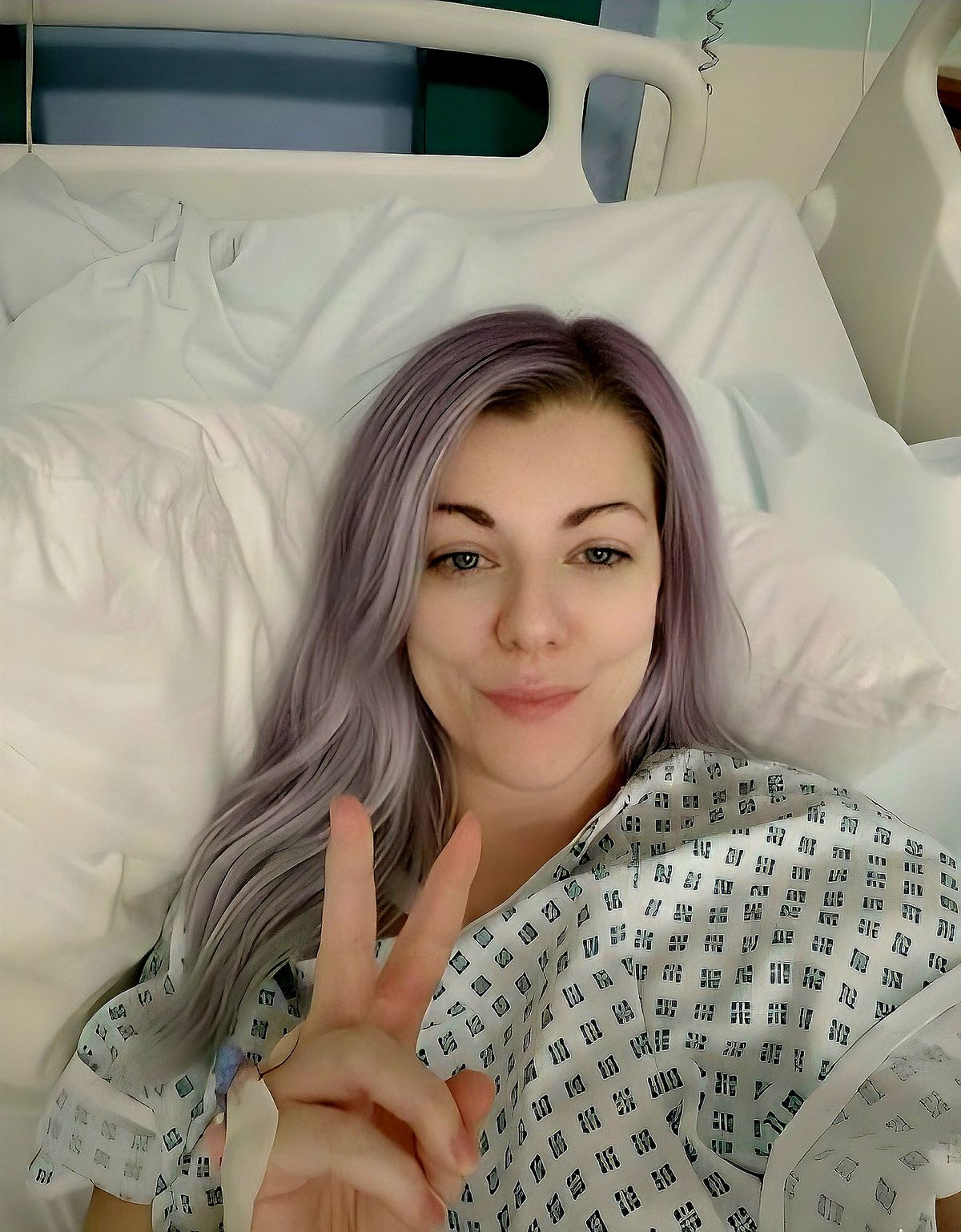 Vicky Taylor recovering from the diagnostic laproscopy which confirmed she had stage four severe deep infiltrating endometriosis after a two decade search for answers(Image: Vicky Taylor)
For Vicky, it took two decades after she was told she had IBS had bad period pain for a full diagnosis of endometriosis. It can have severe consequences, with some women unable to work regularly due to the pain, and others having multiple miscarriages. As a result, Vicky describes the waiting list for treatment as a “national health crisis”.
Vicky has now pulled together a list of improvements she believes the Trust could make to the service here in Leeds, and has written a petition. The suggestions are:
A weekly operating list for both laparoscopic surgery and robotic surgery (in line with other BSGE centres which will drastically reduce the wait times currently affecting patients)A third consultant recruited to the team (two consultants is simply not enough to account for annual leave, unexpected illness and increasing number of referrals due to BSGE accreditation etc)An additional endometriosis nurse recruited to the team (many patients find the nurse service very useful but demand outweighs capacity once again)A specialist pelvic physio team for endometriosis pain management as a treatment option on the NHS (this treatment option is not available on the NHS yet yields good results for many patients for managing their pain)Reinstatement of a dedicated gynaecology ward for patient recovery after surgeryImplementation of non-invasive (non-surgical) testing for endometriosis done at the very earliest point of contact into the service (vastly reducing wait times and need for investigative laparoscopic surgery)Further funding and resources to support the team with the additional pressures/influx of BSGE patients from out of area
Mr James Tibbott, Lead Clinician for Gynaecology at Leeds Teaching Hospitals NHS Trust, said: “Leeds is a specialist centre for endometriosis care with provisional accreditation from the British Society for Gynaecological Endoscopy (BSGE). This reflects the dedication and expertise of our staff and has contributed to a rise in referrals to the service.
“We understand how difficult and frustrating long waits for an appointment can be, and we are sorry for the impact this has on those living with pain or waiting for a diagnosis.
“We are committed to strengthening endometriosis care which has already included the introduction of complex robotic surgery and pioneering research, and many of the proposals in the petition reflect our ambitions for the service. We are actively exploring what can be achieved within current and future resources, and we will continue to work closely with commissioners and NHS partners to advocate for the investments that meet the needs of our patients.”
If you want to support Vicky’s petition, you can do by signing it here. Vicky is collating stories from people suffering with endometriosis anonymously to gather them for an open letter to the Chief Executive. If you wish to participate in this you can fill in a form here.
Get all the latest and breaking news in Leeds by signing up to our newsletter here.