
Depression affects roughly one in five people in Northern Ireland. Although it’s a major health problem, many sufferers don’t want to be identified because of the remaining stigma.
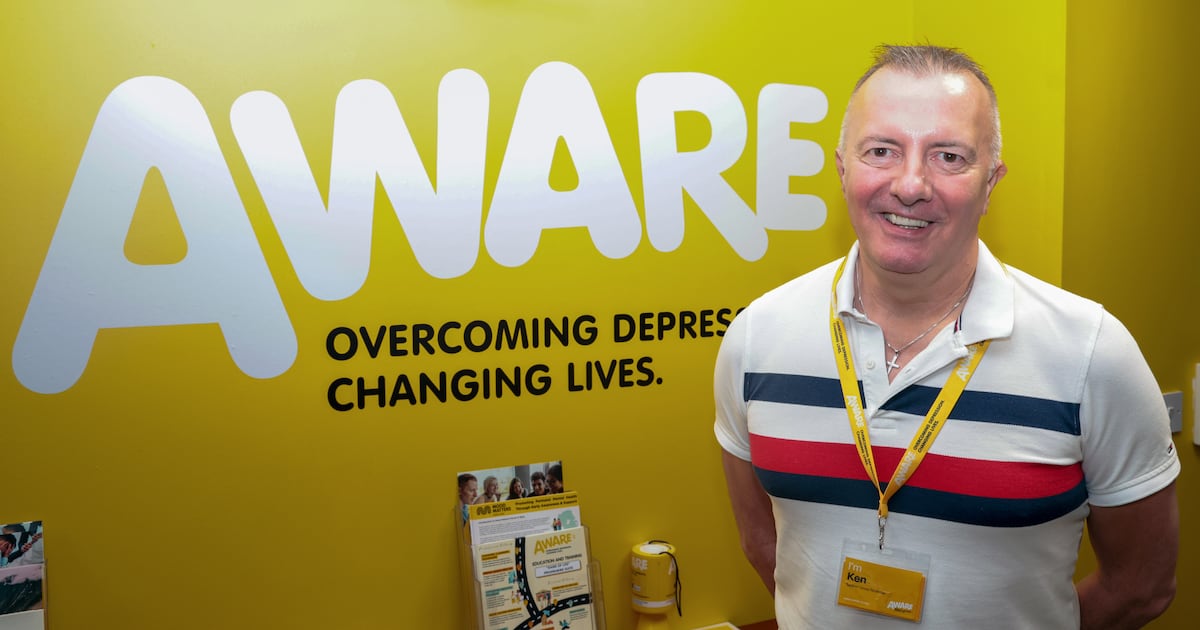
Not so Ken Boyd (54), ex-British Airways flight attendant and Aware NI facilitator. “Out and loud”, he says, stating it’s important to talk openly about mental health issues, to raise awareness and tackle the taboo.
He recalls the day depression struck. “I was 39 and on holiday in Spain, when you should be having fun in the sun, but suddenly the black dog (Winston Churchill’s term for his depression) knocked at the door. I lay there, unable to get out of bed, hopeless, with the blinds closed.”
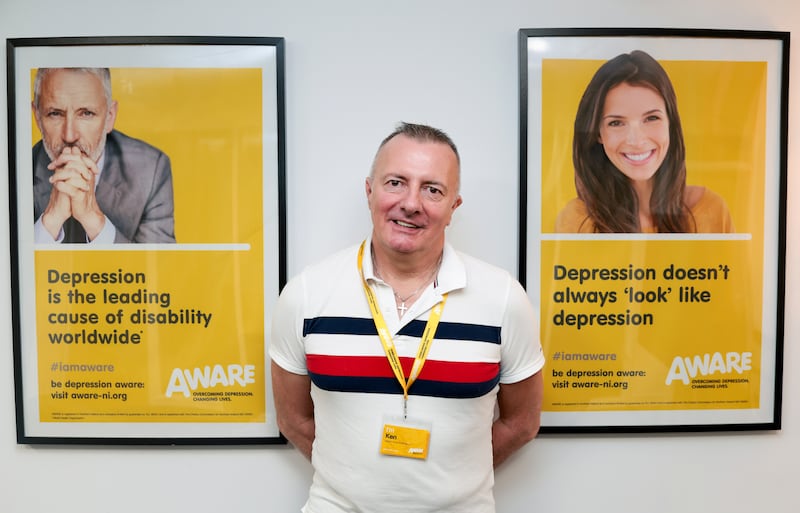 Aware NI facilitator Ken Boyd. PICTURE:BRIAN LINCOLN
Boyd didn’t leave the hotel that day until 5pm and felt he had succumbed to his family’s inherited complaint which had afflicted five generations.
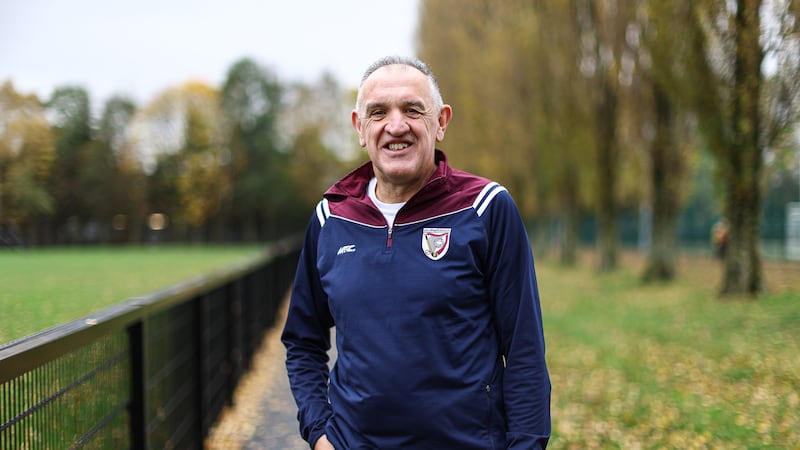

If you ask me to define depression, it’s a sense of blackness, doom, the feeling you’re never coming back
— Ken Boyd
“We have a history of depression. I thought I was destined to follow the same route and that frightened me.”
He felt desperate, adding: “My father was very religious and I went to the bottom of the bed and prayed to God to take it away.”
Read more: ADHD needs assessment must be ‘turning point’ for Northern Ireland services – The Irish News
On Boyd’s return home, he confided in his older sister Alison who had the perfect answer. “She said ‘You’re just like me.’” This reassurance enabled Boyd to cope with his diagnosis and what followed. He says openly now: “Without Alison, I wouldn’t be talking to you today, I would have taken my own life. If you ask me to define depression, it’s a sense of blackness, doom, the feeling you’re never coming back.”
 Aware NI facilitator Ken Boyd. PICTURE:BRIAN LINCOLN
It wasn’t easy. After fighting the diagnosis – “you could tell me I had anxiety, that was alright, but not depression” – Boyd went on medication, although he wasn’t initially keen. “I fought the use of medicines and Dr Google came into play”.
What saved him was a wonderful GP, Dr Susan McGarity. “She held my hand, said I could keep coming to her for help but needed to take the help offered. After sampling all the anti-depressants around, I realised it wasn’t like the pic‘n’mix at Woolies.”
These days Boyd is fiercely pro-medication “which I’m on for the rest of my life, it’s like putting bits of plastic into my eyes to see”. The doctor saw Ken Boyd weekly for check-ups on his mood. He has also had incredible support from his husband, Stuart.
Boyd had to go private to see a psychiatrist, explaining he feels the NHS mental health services are “at breaking point”. Once, after reaching out for help, he got an aromatherapy session offered the following day.
Working in a job in airlines that requires professional cheerfulness presented challenges.
“I was cabin crew and when I had a few relapses, had to take time off. And depression is still somewhat taboo, but I remember people saying to me, “Depression, you?” on the aircraft when I spoke honestly about my illness.”
At one point, Boyd realized that while a couple of glasses of Sauvignon blanc cheered him up, he’d wake the next day with a “thick head” and realised if alcohol was a depressant, why was he indulging. “You need an overall approach to illness.”
What really turned things around, apart from his sister’s support, was discovering Aware NI support groups for those with depression.
“One day I saw a poster in the doctor’s surgery for a group and thought about going. The first time, I just drove home, didn’t go in. I think the first time I actually attended the East Belfast group I didn’t speak, but then the flood gates opened and it all came pouring out.
“They were so warm and welcoming. The key message which provides hope is that you’re not alone with your problem, others have suffered and come through the darkest days.” This is, he says, empowering.
Boyd is now a facilitator with the Newtownards Aware NI group and enjoys giving something back.
“It’s a privilege to have the opportunity to help people. If I can give them something to help them on the road to recovery, show they can get better, that’s amazing. And the training is second to none, in mental health, suicide prevention and when you ned a second opinion with issues you don’t feel comfortable with.”
He thinks it’s a problem that men hide their feelings, and women are twice as likely to get a depression diagnosis overall.
“That idea of stiff upper lip, man of the house fixing things. It’s male pride. But denial won’t help in your recovery.”
He says that his experience has changed him for the better in some ways. “I’m a lot more compassionate to those with issues, a lot less judgmental.”
As Boyd emerges from a two-year episode of depression, he says that some days the black dog of depression is “Alsatia-sized, sometimes a chihuahua.” “But my chihuahua lapdog will never beat me and tonight at seven o’clock I will take a Newtownards group.
“I don’t know the answers, the group itself comes up with the answers, it’s about taking part in helping yourself to get better.”
Going to the group is cathartic – “it’s a relief to talk about things loud and proud”. He adds that actress Denise Welch says depressives are a tribe, it’s not just one person, there’s a sense of belonging.
“When I prayed by the bed, I was so ashamed, feeling ‘What’s wrong with me, what have I done?’ But what my sister said changed all that. If I can do the same for someone else, that’s everything. Everyone deserves an Alison.”
Contact Aware NI in Derry or Belfast via aware-ni.org