
(Credits: Far Out / TIDAL / George Martin)
Fri 12 December 2025 14:00, UK
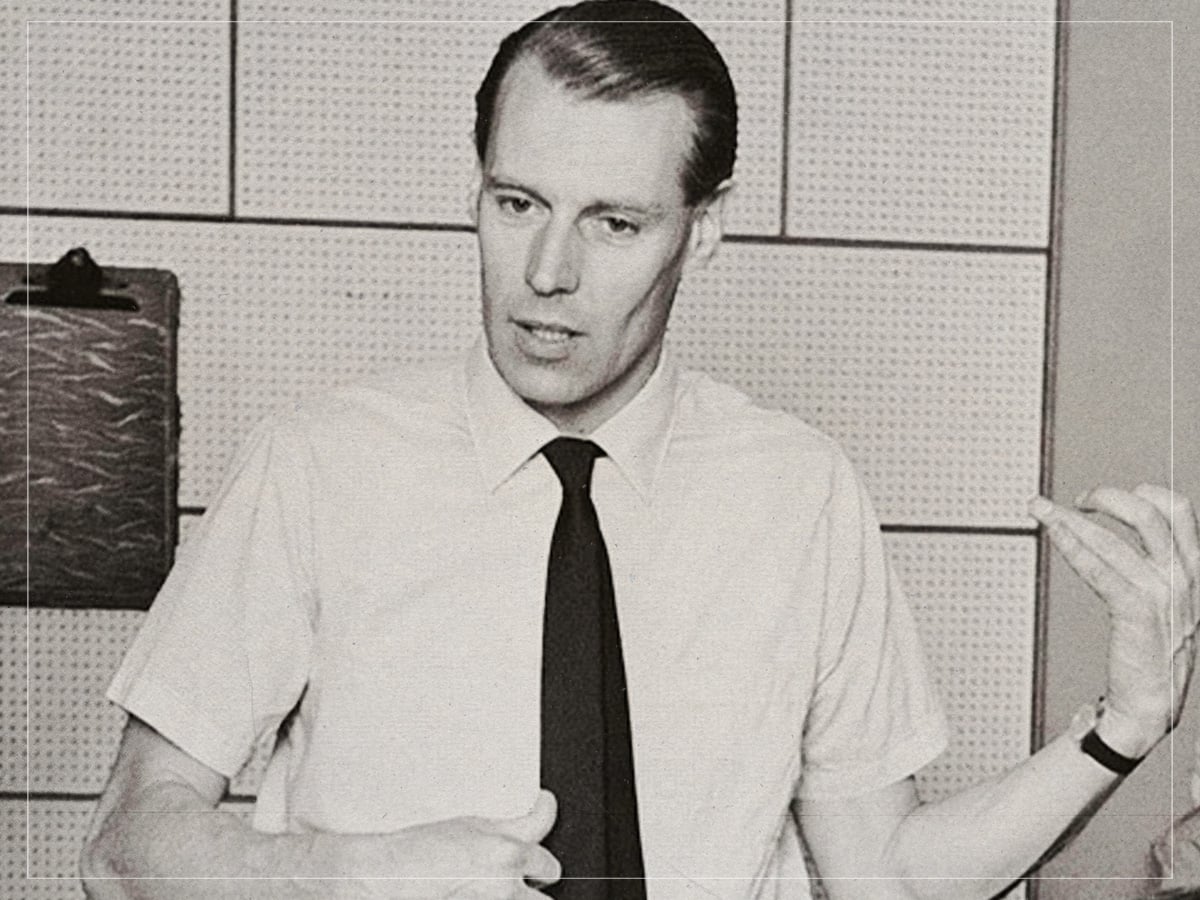
There was almost a symbiotic relationship between The Beatles and George Martin whenever they got together in the studio.
While the lads never claimed to be the greatest musicians in the world, Martin could often be their musical translator, whether that was them trying to get the right instrument for a particular song or scoring out something for them since they had no knowledge of any kind of musical notation. Although the band was one of the few acts of all time with a near-spotless track record on their albums, the producer also knew it only took a few bands to screw everything up.
But when the Fab Four decided to call it a day, it’s not like Martin was aching to find other bands to work with. Everyone would have been knocking down the door at Abbey Road Studios for a chance to work with the production genius, and while there were a lot of familiar faces that Martin worked with, like America and Cheap Trick, he was more interested in expanding on what he had done with his old friends.
Not all of his sessions were the most complicated things in the world, but when working with people like the Mahavishnu Orchestra and Jeff Beck, it was clear Martin was going for a specific sound. There was no point in him trying to forget everything that he had learned with the Fabs, and some of his best works after 1970 were an excuse for him to take a few more chances with whatever he was working on.
That’s all well and good, but there’s a fine line between that kind of experimentation and coming off as laughably pretentious. Martin was certainly proud of making complicated music, but there were also bands from the prog-rock world that were taking the basis of what he did and turning it into scale exercises masquerading as rock and roll songs whenever they came out with their sprawling epics.
So after one too many years of that bullshit, it was no wonder that punk began to emerge out of the woodwork. Ramones and Sex Pistols were almost defiantly proud that they didn’t know any of The Beatles’ fancy chords or detailed harmonies, and while that did help them find their own voice, Martin couldn’t help but look back on everything and think what a shame that his progress was all for nought.
He had worked to build up pop music to a particular standard, and as far as he could see, punk was leaving everything in the dust, saying, “We could have gone on from Abbey Road. It was showing the way that rock ‘n’ roll and classical music could have joined forces to become something really important. And because we didn’t go on, punk came along and put everything into reverse.”
Martin does have a few fair points there. Rock and roll was meant to be looked at as high art afterwards, but what people like John Lydon and Joe Strummer did was about more than simple destruction. They wanted to deconstruct what a rock and roll song could be, and while there was a lot of chaos involved with them becoming the biggest bands of that time, there was always little bits of musicality that could perk up the ears and even the seasoned veterans.
But beyond being a step backwards for rock and rollers, what Martin saw as amateurish was a major inspiration for everyone that would come after. The Beatles started off as a scrappy bar band before turning into the greatest rock band of all time, so if a bunch of kids saw rock stars that were on their skill level, perhaps they could find the courage to pick up their own instruments.
Related Topics
The Far Out Punk Newsletter
All the latest Punk content from the independent voice of culture.
Straight to your inbox.