
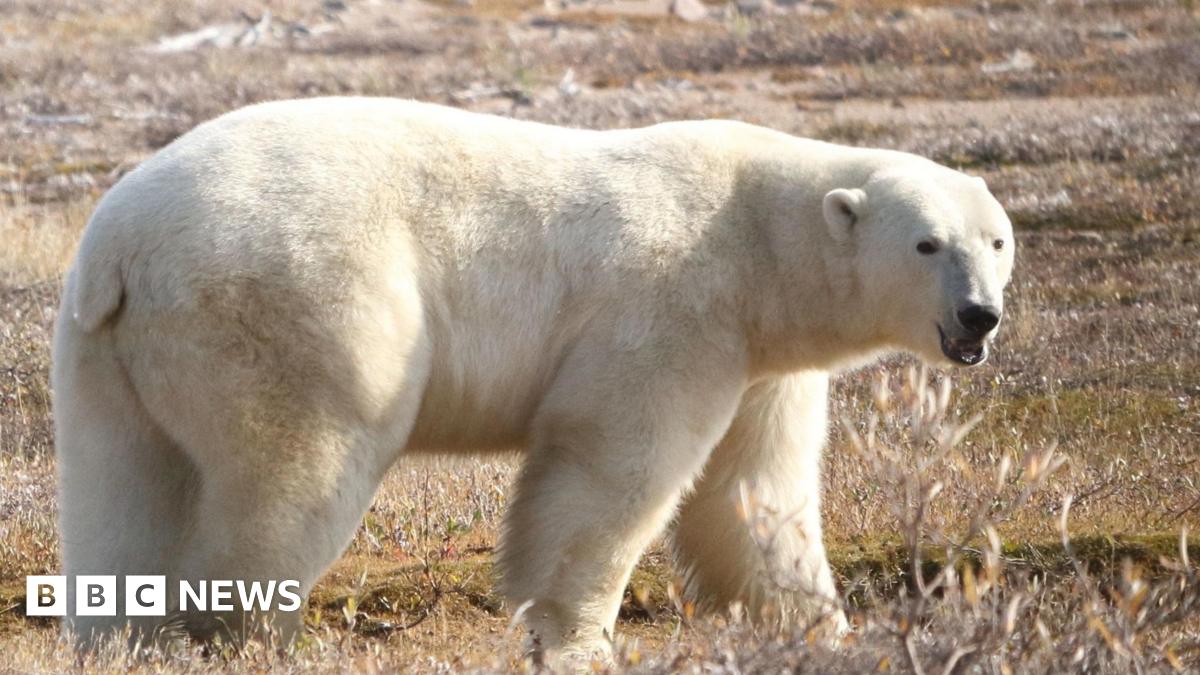
In 2008 the U.S. government granted polar bears protective status under the Endangered Species Act.
Dr Godden said the animals are in “real danger” with two thirds expected to disappear by 2050.
“That is really not that far away unfortunately, ” she said. “As the rest of the species faces extinction, these specific bears provide a genetic blueprint for how polar bears might be able to adapt quickly to climate change, making their unique genetic code a vital focus for conservation efforts.”
Polar bears are used to eating fatty and seal-based diets that they might not get in warmer climates because the sea ice platforms they use for hunting are melting, the study said.
Researchers said changes had been found in gene expression areas of DNA linked to fat processing, which is important when food is scarce and could mean the southeastern bears are slowly adapting to the rougher plant-based diets.
Dr Godden said: “We believe this has happened in recent decades, potentially in the past 200 or so years.”