
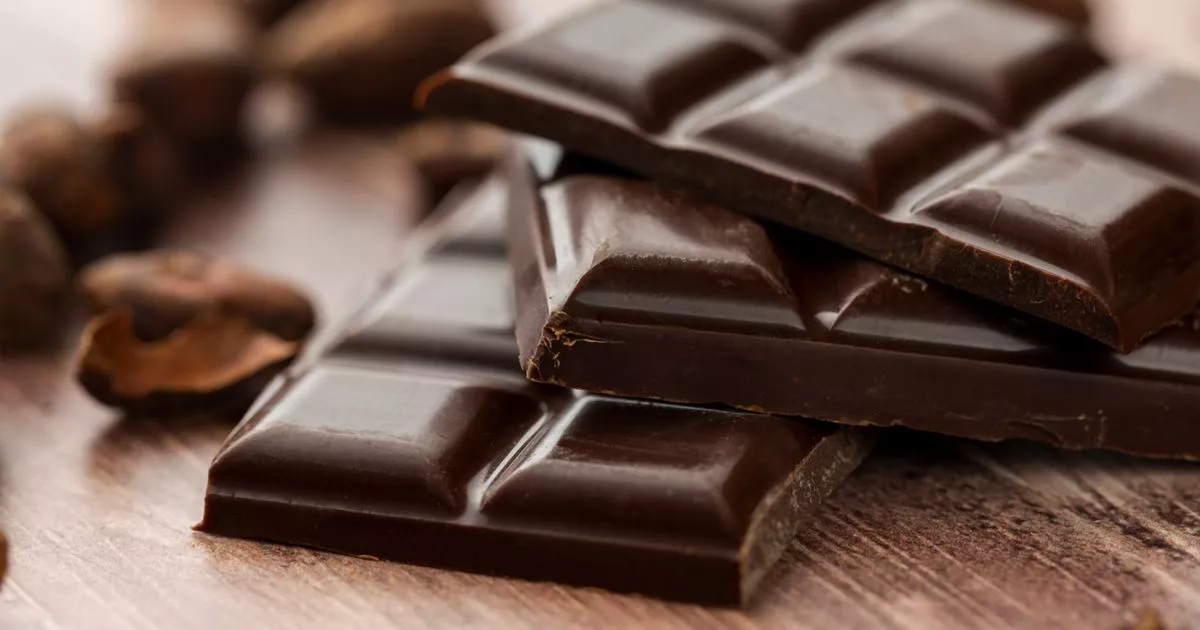
King’s College London discovers that higher levels of a key compound found in dark chocolate is linked to a ‘younger’ body in terms of health and function
14:00, 10 Dec 2025Updated 14:00, 10 Dec 2025
 Eating the right kind of chocolate could boost your health(Image: Getty Images/iStockphoto)
Dark chocolate could help slow down the ageing process, research suggests.
Scientists tested people for levels of a compound found in dark chocolate and those with more of it appeared biologically younger on average when compared to their actual age. Blood tests checked for the key compound is called theobromine which is found in cacao plants – the bitter raw ingredient for chocolate.
Researchers at King’s College London compared them with markers of biological ageing, which indicates how old the body is in terms of health and function rather than years lived.
Jordana Bell, professor of epigenomics at King’s College London, said: “Our study finds links between a key component of dark chocolate and staying younger for longer.
 Experts believe some types of chocolate are good for us(Image: Getty Images)READ MORE: Eating dark chocolate most days could cut risk of Type 2 diabetes, research suggestsREAD MORE: Scientists discover how a cup of hot chocolate could actually be good for us when we’re stressed
“While we’re not saying that people should eat more dark chocolate, this research can help us understand how everyday foods may hold clues to healthier, longer lives.”
Cacau is known to have health benefits due to being high in antioxidants such as flavenols, minerals such as magnesium and iron, as well as healthy fats.
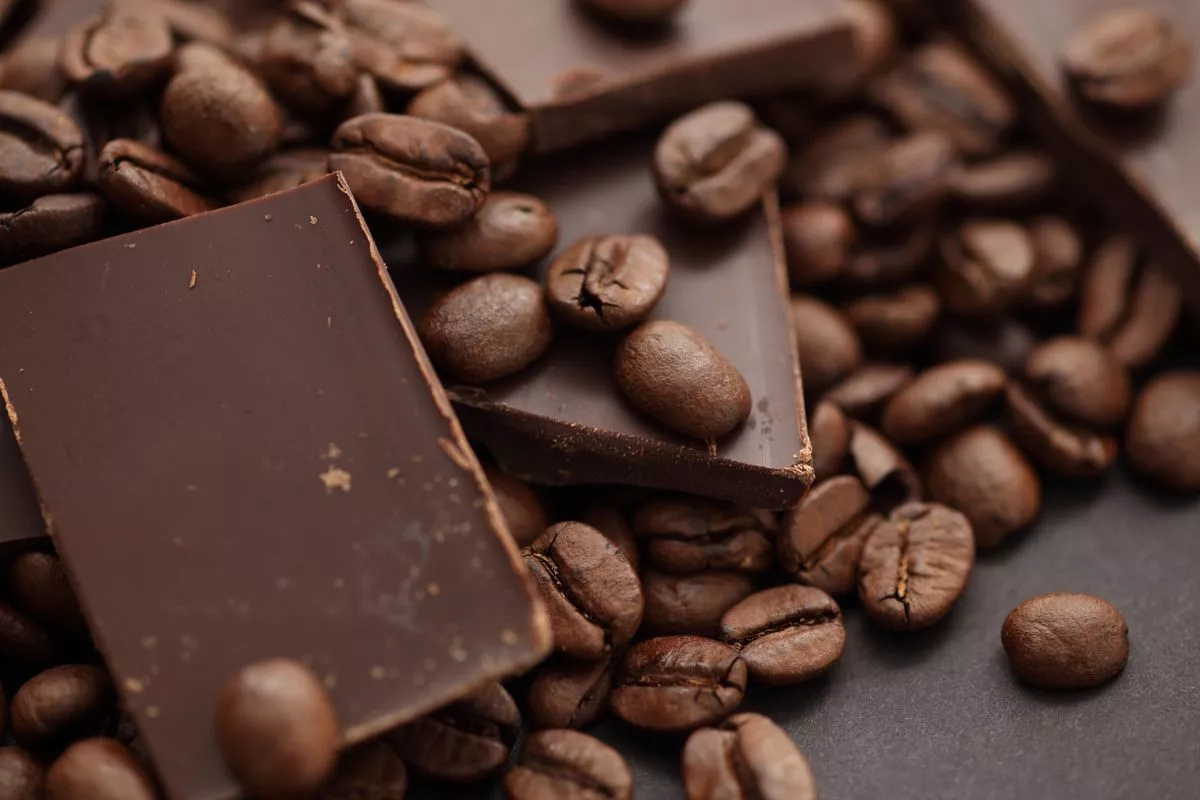 Cocoa beans are the dried, fermented seed from the fruit of the Theobroma cacao tree and the essential raw ingredient for making chocolate(Image: Getty Images)
Cacau powder can be purchased as an ingredient in its purest unprocessed, cold-pressed form. However typically before it is made into chocolate it is roasted, which changes its flavour and reduces some of its nutritional value. However experts say good quality cocoa still offers health benefits.
Popular milk chocolate bars and treats often have other added ingredients – such as sugar, fat and emulsifiers – which together can outweigh the benefits of the cocoa content.
That is why for some time now experts have recommended dark chocolate as a healthy alternative. TV gut health expert Professor Tim Spector, a colleague of the research team at King’s, advocates for regularly eating dark chocolate with a minimum of 70% cocoa content and minimal added ingredients.
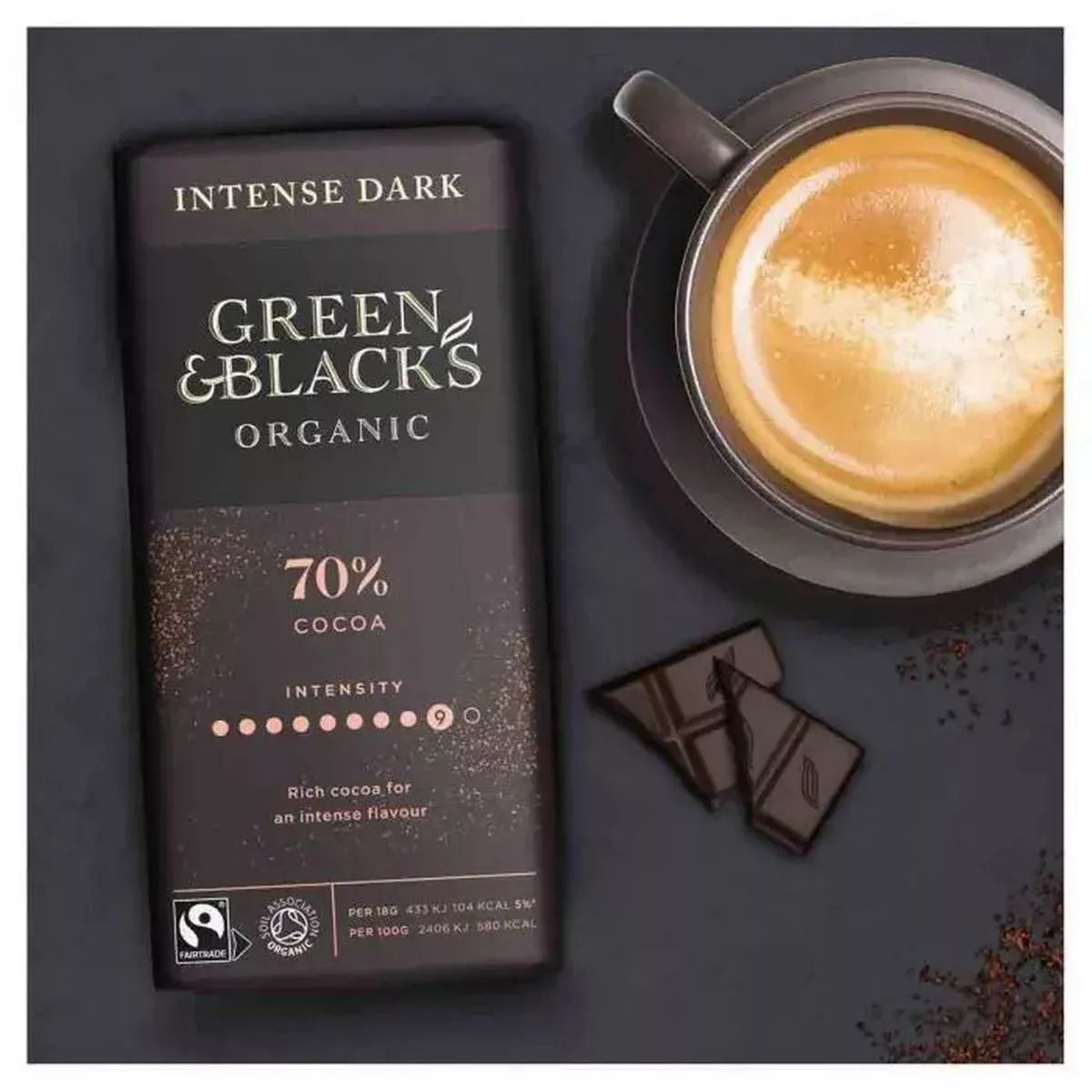 Minimum 70% dark chocolate is recommended with few added ingredients(Image: Green & Blacks)
Artisan chocolates typically contain only two or three ingredients and are often the richest in beneficial cocoa compounds.
A previous study involving 20,000 participants showed those consuming cocoa extracts experienced a 27% reduction in heart disease mortality over three and a half years compared to those on a placebo.
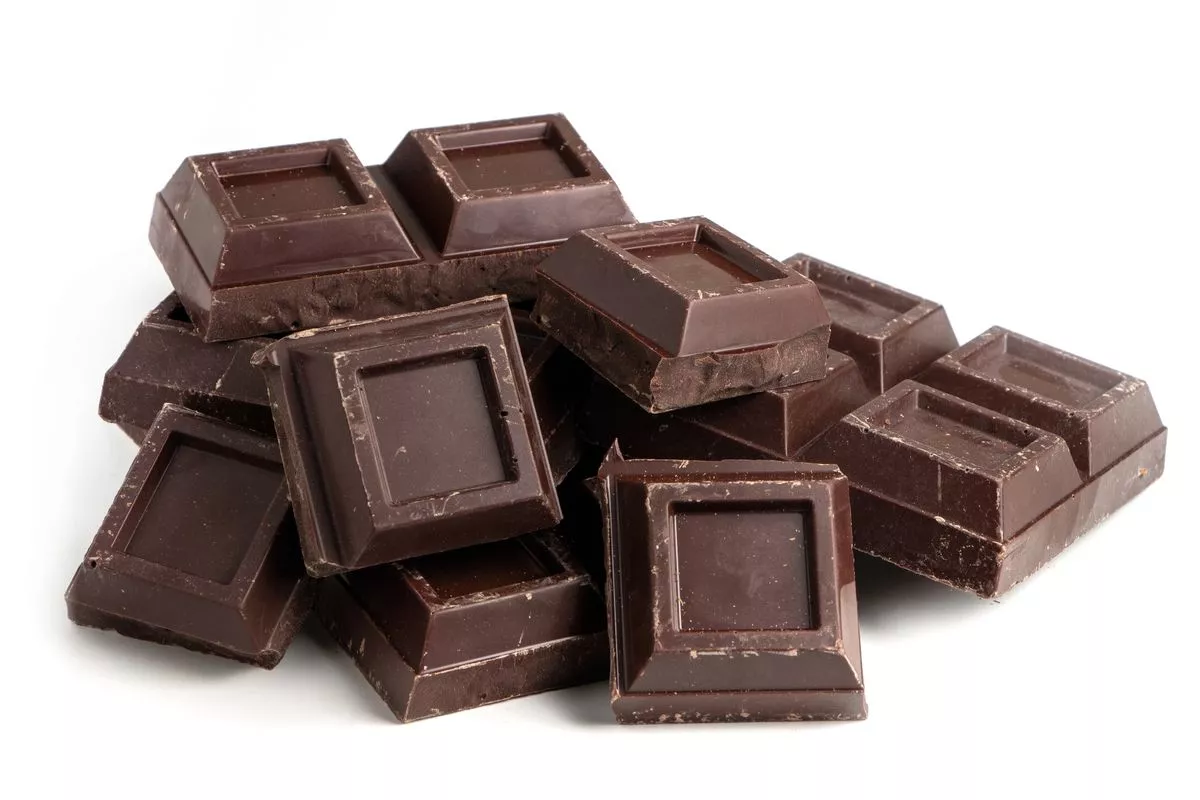 But chocolate can be bad for dogs(Image: Getty Images/iStockphoto)
This latest study focused on theobromine which researchers described as a “relatively unexplored dietary phytonutrient” that has been linked to health benefits and extended lifespan. It is a bitter stimulant similar to caffeine but milder. While safe for humans in chocolate, it can be toxic for dogs.
King’s College London’s analysis included 509 people in the TwinsUK cohort study and 1,160 people from the Kora study in Germany. The team reported a “significant association” between circulating levels of theobromine in the blood and slower biological ageing.
Lead researcher Dr Ramy Saad, a doctor in clinical genetics, added: “This is a very exciting finding. This approach could lead us to important discoveries towards ageing, and beyond, in common and rare diseases.”
Researchers also tested other molecules found in cocoa and coffee but believe the effect is specific to theobromine.
The team is now exploring if the effect on biological ageing is caused directly by theobromine, or by how the compound interacts with other chemicals in dark chocolate such as polyphenols. Polyphenols are powerful antioxidants also found in fruits, vegetables, tea, coffee and wine.
Co-author Dr Ricardo Costeira, a postdoctoral research associate at King’s, said: “This study identifies another molecular mechanism through which naturally occurring compounds in cocoa may support health.”