
Almost two thirds of people responding to a consultation opposed the potential changes
12:23, 12 Dec 2025Updated 14:01, 12 Dec 2025
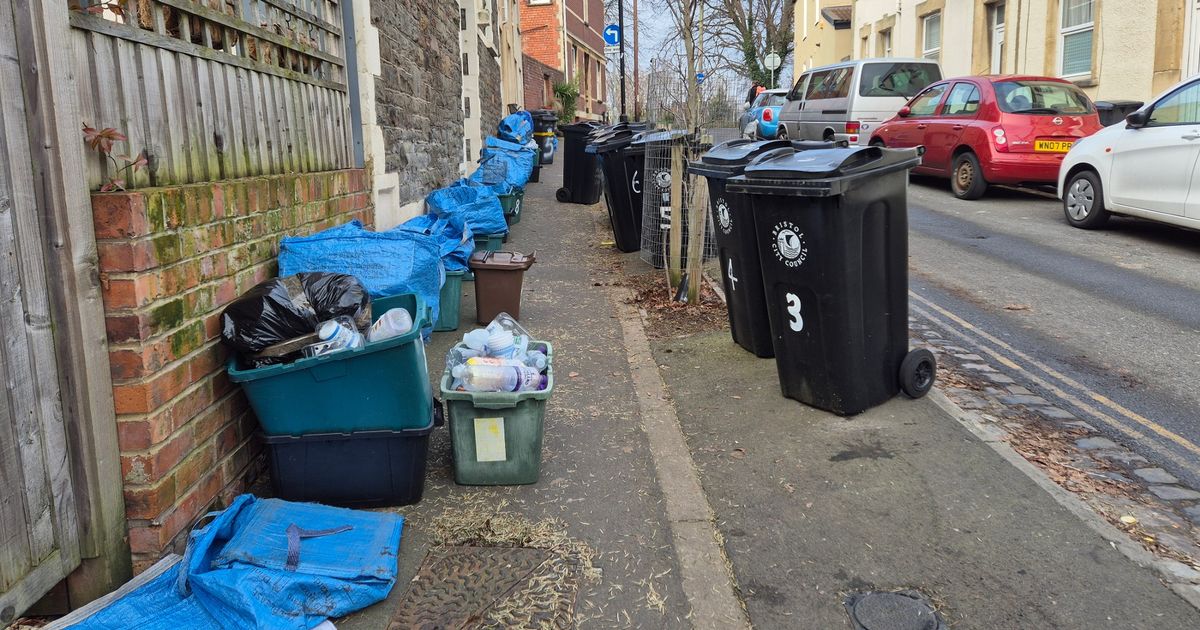
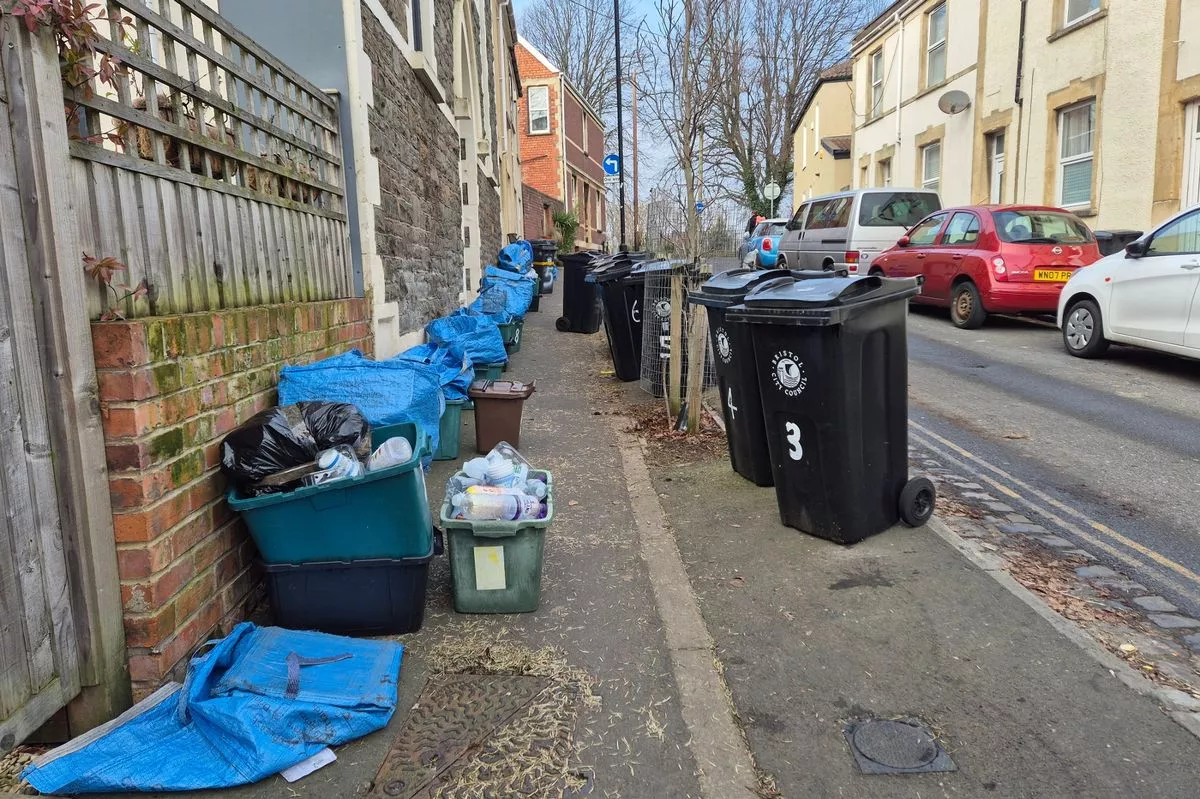 Black bins and recycling containers on a pavement in Bedminste(Image: Alex Seabrook)
Councillors are due to decide on whether to press ahead with a plan to collect black bins in Bristol once every three weeks. The switch from a fortnightly collection schedule would encourage more people to recycle while also saving money too.
The controversial plan was consulted on at the start of the year and a group of councillors have been discussing what to do next since then. Bristol City Council ’s environment policy committee will vote on switching to a three-weekly regime on Thursday, December 18.
The move follows a general trend to drive up recycling rates and cut costs. North Somerset Council switched earlier this year, leading to a 15 per cent drop in black bin waste and a 10 per cent rise in recycling, while South Gloucestershire Council is due to switch next May.
Green Councillor Martin Fodor, committee chair, said: “We’ve listened to residents and set up a dedicated group of councillors and officers to consider multiple views on many issues you raised and your concerns. During our consultation people told us what matters most for waste and recycling, what materials they want to recycle more, and how often collections should happen.
“Councillors will look at proposals for extra fly-tip collection rounds and a new community fund aimed at encouraging neighbourhoods to recycle more, in turn helping keep our streets cleaner and free from litter. We want to work with residents and groups to make sure no one is disadvantaged by any potential changes to future services.
“The cost of delivering our services must also be factored in. These costs have been rising and materials we could recycle can earn income to pay for the service. If disposed of or incinerated, they add to our costs. We’ve also looked at new government rules that require councils to recycle more, reduce landfill, and meet strict targets.”
The council also consulted the public on switching to a four-weekly collection regime, but after this proved unpopular, the Greens said they wouldn’t support such a move. As part of the switch to three-weekly black bins, recycling containers would also be changed after common complaints about the existing ones being too small and flimsy.
Many people in Bristol throw away their food into regular black bins instead of the small brown food waste bins, particularly if their food waste bin gets blown away or is stolen by a neighbour. Replacing bins can be arduous and costs £2.50, putting many residents off from bothering. But this means that food waste, which can be used to create fertiliser and biogas, is not recycled.
Green recycling boxes, used for plastic and cans, could be swapped for red sacks instead. Paper and magazines would be put in blue sacks instead of black recycling boxes. A new collection service would be launched for nappies and incontinence pads, so these don’t have to go in the regular black bins. New blue sacks would be larger than they are at the moment.
A three-weekly collection could reduce black bag waste by an estimated 14,700 tonnes a year, increasing recycling rates by 10 per cent, and save £500,000 a year in disposing of rubbish. If approved, it’s not clear when the new three-weekly regime would actually be rolled out.
More than 16,000 people responded to the consultation at the start of the year. 63 per cent opposed the switch to a three-weekly regime, and 71 per cent said there should be no change to how often black bins are collected. Labour is opposing the changes.
Labour Cllr Kirsty Tait, vice chair of the environment committee, said: “Bristolians resoundingly rejected the Green Party’s cuts to bin collection. Over 16,000 people responded to their consultation — 71 per cent of respondents said they didn’t want a cut to the frequency of their bin collections.
“The city has spoken loud and clear. If the Greens go ahead with this, it will show their consultation was nothing more than a box-ticking exercise. Labour councillors will not support the proposals. A move to three-weekly collections will not impact everyone equally. Larger households, families in flats or HMOs, and communities already dealing with overflowing bins and fly-tipping will be most affected.
“Working class communities in particular strongly rejected a move to three-weekly collections. A just transition requires that we work with the worst off and working people are not adversely affected by our transition to a better future. We need to encourage more people to recycle, but cutting back on services isn’t the way to go about it. Larger recycling bins, education campaigns, and soft plastic recycling would be a much better way to go about this; more carrot, less stick.”