
Simple, game-changing solutions to eliminate drafts, retain heat and stay warm at home during colder months
Faced with high energy bills, staying warm at home this winter is a concern for many of us. However, there’s a whole range of gadgets that promise to keep you snug for just a few pennies of electricity. And don’t forget the mantra “heat yourself, not the home”, with clothing that will keep you more comfortable as the temperature drops.
Whether you’re considering an electric blanket or looking to warm your feet while working at your desk, it’s important to use them in the most effective way. Energy Saving Trust’s knowledge manager, Joanna O’Loan, has a word of warning. “We’re all looking for ways to save money on our heating bills but relying on gadgets instead of the central heating can increase the risk of condensation,” she says.
“Cooking, washing and breathing all add moisture to the air that could condense onto cold surfaces, including walls. This may lead to damp, which could damage your home’s structure or cause mould. It’s therefore advisable to turn on the heating more frequently in the colder months to keep your walls warm and prevent condensation.
New FeatureIn ShortQuick Stories. Same trusted journalism.
“Using heated products from time to time, to help take the chill off the coldest days, isn’t a problem, however.”
We spoke to experts for recommendations on things you can buy to keep you warm at home this winter without breaking the bank.
A boiler “jacket” could save you £200 a year
Jack Coles, a heating specialist from MyBuilder.com says water cylinder jackets are simply insulation for your boiler’s water cylinder – trapping the heat inside and preventing wastage. DIY installation of a jacket starts from just £20, depending on the thickness of the material used. If you install a jacket you can reduce heat loss by over 75 per cent, saving up to £200 per year (based on the recent energy prices).
Recommendation: Four panel cylinder jackets, £19.98 from Toolstation
A simple key for hassle-free radiator bleeding
Switching on the heating to find your radiators are still stone cold is so frustrating. In many cases, this might just be caused by air bubbles that block up the pipework.
Bleeding a radiator simply involves releasing the valve and letting the excess air out. Coles says: “Make sure the heating is turned off for this process. You may need a radiator key, which you can pick up for less than a tenner. Release the valve with a tissue or rag underneath to catch any water after the air has stopped hissing out, and close the valve as soon as water starts to come out.”
Recommendation: Rothenberger Brass Multi-Purpose 4 Way Key, £6.98
Window film can warm rooms up
Jason Paterson, managing director of Trinity Glazing says the 3M indoor window insulator kit reduces heat loss in draft-heavy rooms with a simple install that anyone can manage. Paterson said: “The clear film tightens across the frame when heated with a hairdryer which creates a firm barrier that cuts cold air movement and raises room temperature without touching the thermostat. I have watched this kit lift the temperature in a room by about three degrees within the first afternoon. People with older homes often stack two layers which gives even stronger insulation.”
Recommendation: 3M Interior Shrink Film Window Kit, £32.14 for five windows
Portable heaters are popular for a reason
Coles say portable heaters are becoming increasingly popular, as they’re easy to set up, and effective at heating specific areas, making them especially useful for remote workers who spend most of their time in one room. “They’re also cost-effective, and they can cost as little as 8p an hour to run. However, they typically run on electricity, so consider the long-term costs. It’s recommended that you find a heater that provides the most heating output on the lowest electricity usage.”
According to Coles, halogen heaters provide instant, directional heat and are repeatedly cited as one of the cheapest plug-in heating options for warming a single person or area. Ideal for WFH desks or bedroom spot-heating to avoid putting the central heating on.
Recommendation: Status Oscillating Halogen Heater, £25
The fleece blanket the expert swears by
Giuseppe Capanna, product safety engineer at Electrical Safety First says: “Electric blankets are a cheap and effective way to keep warm in the colder months. They work by using thin, insulated wires embedded within the fabric to generate heat when electricity flows through them. This teddy fleece blanket lining traps and retains heat, meaning people can stay warm without heating the whole room. With a running cost of 2p her hour, it’s a wise investment.”
Recommendation: The Dunelm Teddy Bear Supersoft Electric Blanket – £35 single, £40 double, £45 king-size, £50 super king-size
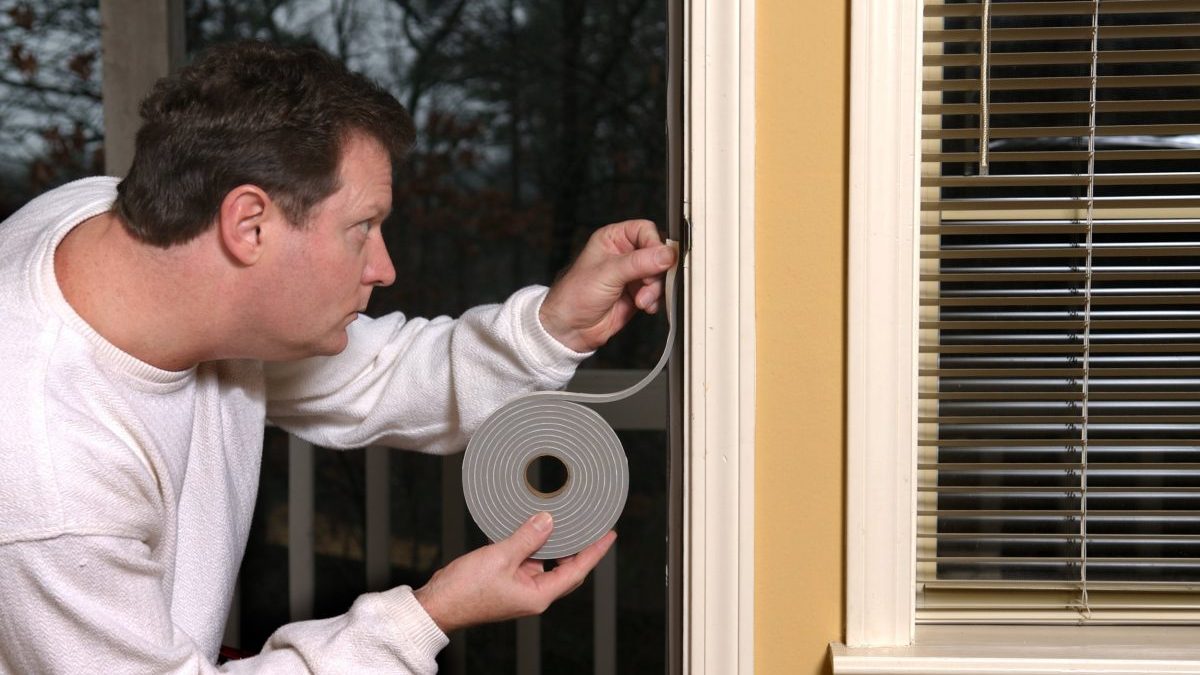
Try a self-adhesive draft stopper on your front door
Mike Bowman, technical product manager at Patio Productions, recommends a self-adhesive outdoor door draft stopper because it stops heat loss at a weak point that most homes ignore. Bowman says: “A door gap of even 6 millimetres can leak enough warm air to force a heater to run an extra thirty minutes per day, which drives up winter bills fast. I have seen a single unit cut heat escape by roughly 20 per cent in those areas.”
Recommendation: Self-Adhesive Draught Excluder – £8.99
Warm yourself, not the home with these thermals
Layers are key to keeping warm when the temperature drops. The layers trap little pockets of warm air between them all the way around your body. And warm air makes all the difference.
Award-winning personal stylist Amanda Munden recommends the Uniqlo HEATTECH Thermal Innerwear. “I wear the long sleeve extra warm cashmere blend long sleeve crew neck on repeat. Less than £20, with an inclusive sizing range, and you can pop in the washing machine – what’s not to love. It’s recommended down to a temperature of -5 degrees, although let’s hope it’s not getting that cold!”
Recommendation: HEATTECH Extra Warm Cashmere Blend Crew Neck T-Shirt, Uniqlo, £19.90
Your next read

Don’t forget your feet
Munden says there’s a simple, natural fix for cold feet that most people overlook: sheepskin insoles.
“Lightweight, breathable and luxuriously soft, they turn any pair of shoes into a personal cocoon of warmth. Whether you’re trudging through snow or just padding around the house, these insoles make a world of difference — and once you try them, you’ll never go back,” says Munden.
Recommendation: Sheepskin insoles, House of Bruar, £8.95