

Health officials are encouraging people to use NHS 111 for urgent but non-emergency care as hospitals face increased pressure from seasonal illnesses and flu hospitalisations rising by more than half The NHS is urging people to contact 111 if they need to(Image: Getty Images)
Anyone in the UK with a smartphone is being urged by the NHS to follow a few straightforward steps when they need ‘urgent medical help’. The health service offers a broad range of options to ensure people get the right level of care.
Bear in mind that the public are typically advised against heading to A&E or dialling 999 for matters that aren’t emergencies. This becomes particularly crucial as numerous hospitals and ambulance services nationwide face mounting strain due to a surge in winter illnesses at present.
Indeed, flu-related hospital admissions alone have jumped by more than half within just seven days. NHS bosses have also cautioned that this steep rise shows no indication of plateauing in the near future.
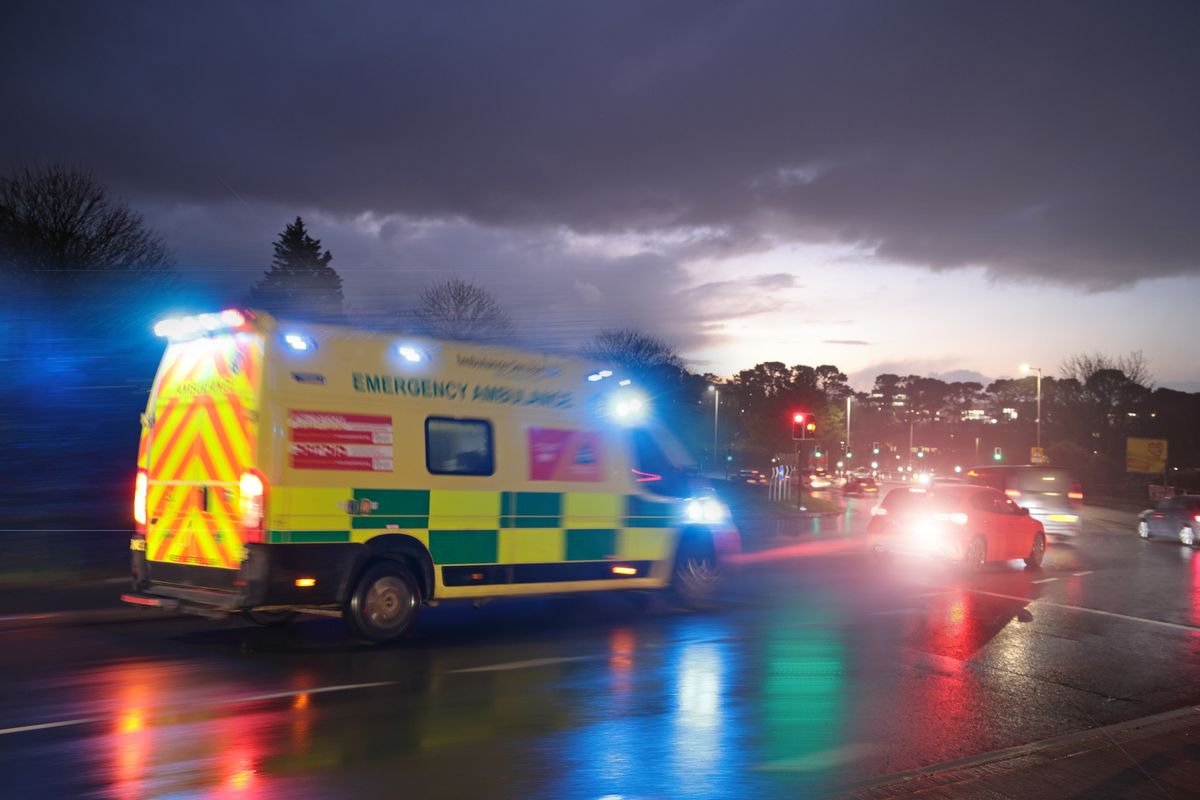 Hospitals across the UK are facing increased pressure(Image: Getty Images)
Posting on X, the NHS stated: “If you need urgent medical help but you’re not sure where to go, use NHS 111 to get assessed and directed to the right place for you. Call, go online, or use the NHS App.”
Help you can get through 111
Upon contacting NHS 111, you’ll initially be questioned about your identity, location, reason for calling, and whether you’re ringing about yourself or another person.
You’ll also face various enquiries regarding your medical situation, including what symptoms you’re experiencing. Depending on your responses, a health adviser may take any of the following actions:
Refer you to another healthcare professional (such as a GP or dentist)Arrange for a nurse to call you backArrange for you to visit an evening and weekend (out-of-hours) serviceRefer you to an urgent care serviceSend an ambulance for you if you need oneGive you self-care advice to follow at home NHS 111 can provide a variety of services(Image: Getty Images)
Remember, NHS guidance emphasises that A&E services or dialling 999 should be used if you believe you, or someone you’re with, is experiencing a serious injury or a life-threatening emergency. This could include severe bleeding, seizures, and choking.
More information on services offered by the NHS can be found here.