
(Credits: Far Out / Alamy)
Mon 15 December 2025 8:00, UK
Being an artist requires an unlimited access to a fruitful, overflowing, and effervescent creative garden, one that grows back better, quicker, and bigger with each chop and prune. The Who had this, and then some.
We have a lot of ways to describe what happens when you can’t quite reach flow state. If it isn’t creative block, it’s artistic burnout or inspiration paralysis. It’s playing the same three chords on a keyboard in a loop for hours and still not finding a way to link them all. It’s writing lyrics about the vibe in the dentist’s office because you’ve run out of things to say that actually matter to anyone other than your grandma.
But what happens when you do it? You get there? It’s a triumph, it’s supernatural, the world stops for a minute in what must be similar to that cheesy music biopic shimmer and gleam, and the art takes on its own life, birthed into a world that subsumes it greedily, enjoying every morsel… And then what?
If The Who felt that for any of their works in particular, it was Tommy released in 1969. Their fourth studio album saw the British band soar to new heights on a double album that largely followed the story of the fictional Tommy Walker on his path to becoming a spiritual leader in his universe.
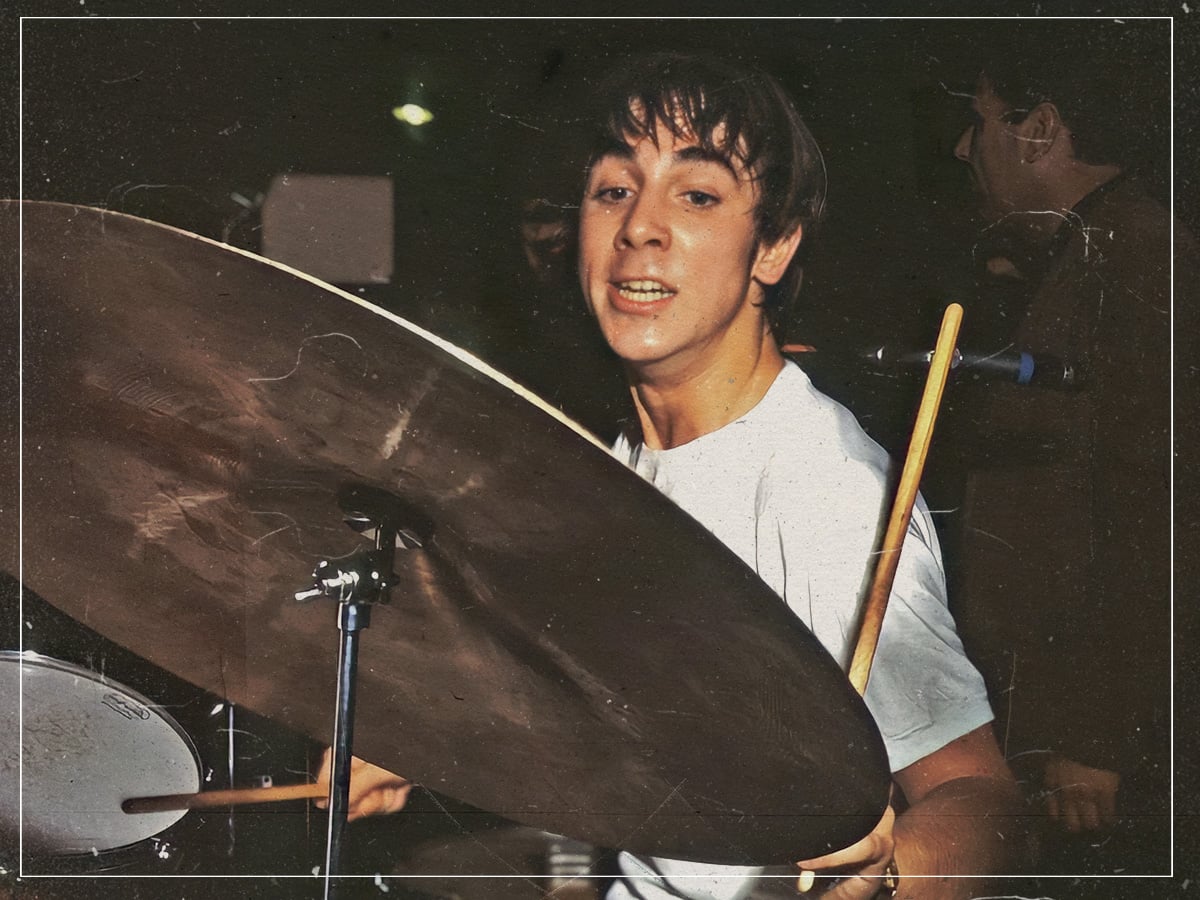
In a rare interview in 2013 with The Who drummer, Keith Moon, the star was realistic about the project. Prying, the interviewer asked if he “had trouble following Tommy,” to which the rhythm legend said simply, “Yes.”
He continued, “That’s why we put the live album out [Live At Leeds]. We couldn’t really follow it up. We wanted to do a positive step in another direction; otherwise, Pete would be writing Tommy’s for the rest of his life.”
Famously, The Who songwriter and guitarist Pete Townshend said he heard the voice of God when coming up with the idea for Tommy, in a nondescript hotel room outside of Illinois. That religious, transcendent moment of stasis planted the seed in his garden that blossomed into the most gorgeous flowers and fruits. But the band knew it’d take some time to replenish the stock once the last of it had bled dry, or been gorged happily at the table of icons.
Consequently, they fell back onto what they knew they were good at, and what didn’t need more of that biblical kind of intellectualism to conjure up: A classic live recording. It adds texture to the known songs by capturing the energy and context of a single take, transporting the listener right into the thick of it.
Sure enough, with enough sunlight and water, things started to reform; in August 1971, The Who released Who’s Next, which garnered much critical attention for being a masterful, no-skips project. Despite their own doubts, they did it again. Is it really all that surprising?
Related Topics