
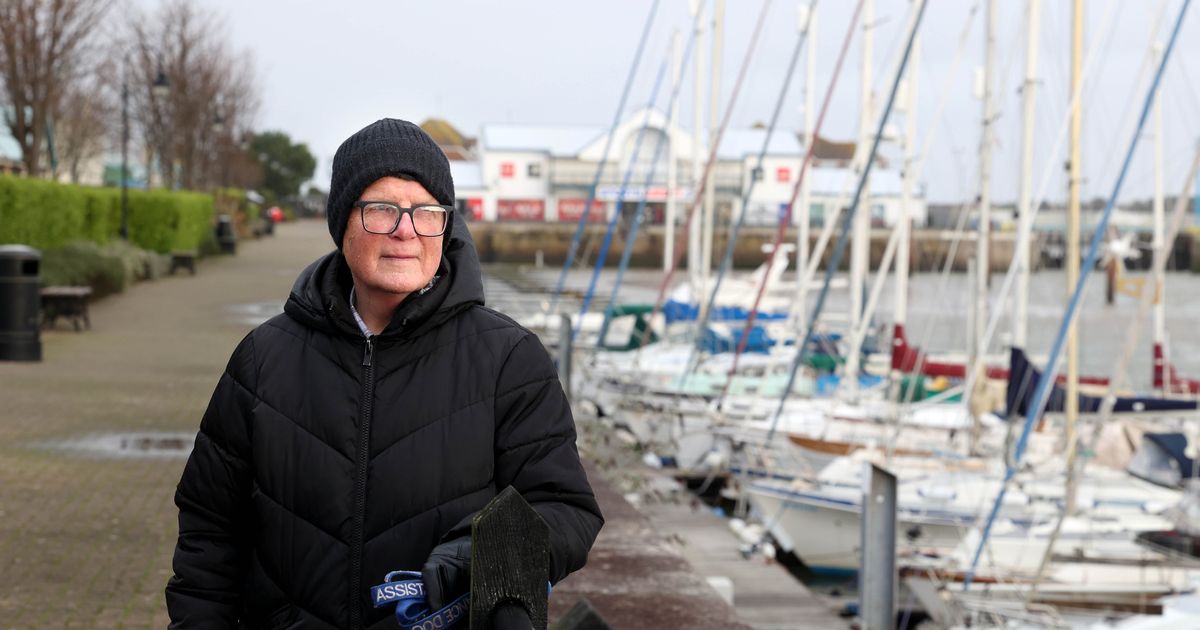
Fleetwood’s economy was destroyed during a bitter political row between Britain and Iceland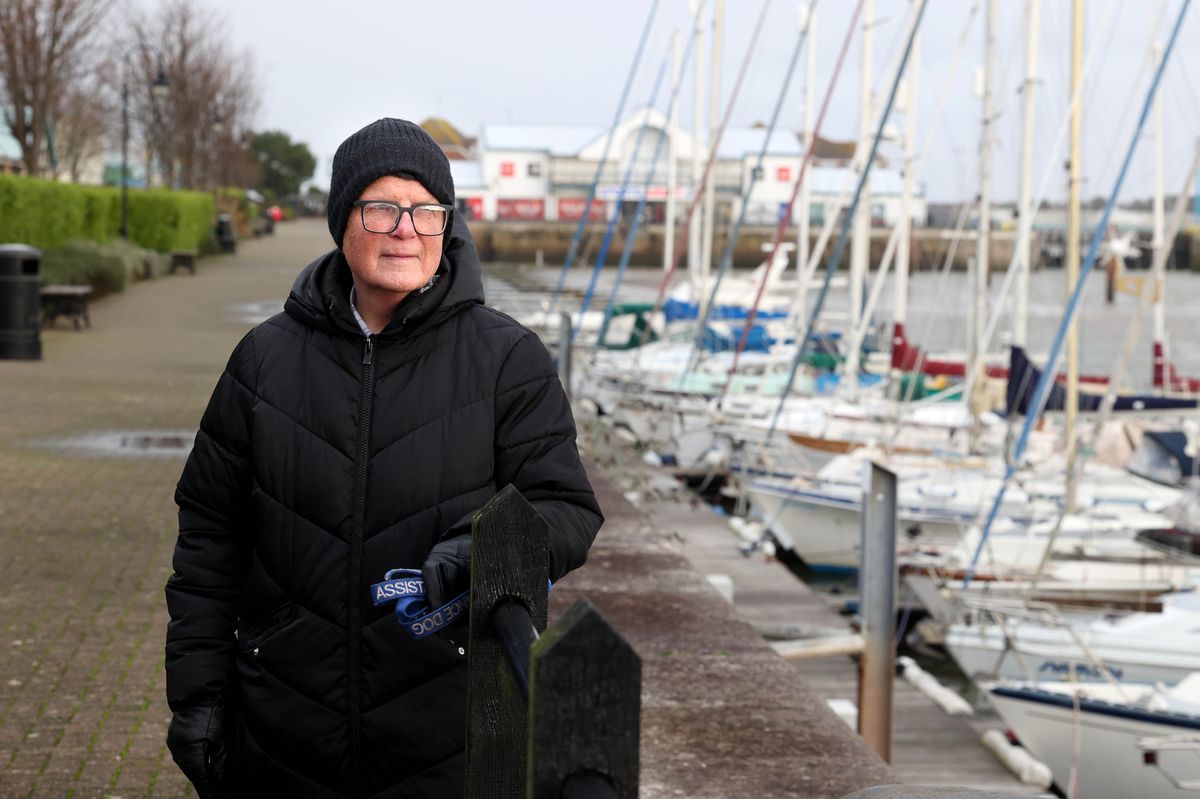 James Pemberton at Fleetwood Marina(Image: Jason Roberts /Manchester Evening News)
Most people born after 1980 will have little more than a fleeting ‘rings a bell’ concept of the Cod Wars. But for those who lived during the three battles between Britain and Iceland they wreaked havoc among the UK’s fishing industry and nowhere suffered more than the once-bustling port towns of Hull, Grimsby and Fleetwood.
The Cod Wars were, as one might assume, something to do with the popular white fish most of us associate with a chippy. Back in the 1950s, much of the deep water fish which were sold in our restaurants and fish and chip shops came from the lucrative waters around Iceland.
Trawlers from the north of England would make the roughly four-day voyage to the north-eastern reaches of the Atlantic Ocean. At the time, Iceland – ruled by Denmark – was a subsistence island where fishing met the needs of its inhabitants, and the likes of Britain and Germany took advantage of the waters heavily populated by – yes, you guessed it – huge shoals of cod.
But as Iceland’s population grew, along with its desire to be independent, the country’s prosperity and future plans relied on its only source of income – fishing. Locals grew angry at the proliferation of foreign trawlers who profited from the thousands of tonnes of whitefish they netted. And Iceland decided to take a stand by introducing a four-mile exclusion zone; banning British trawlers from fishing close to the island.
Buoyed on by the support of Britain’s naval force; dwindling but still prominent due to its empire and expansive fleet strengthened during the Second World War, UK fishermen continued to breach the unseen border, leading to often violent skirmishes with Icelandic vessels.
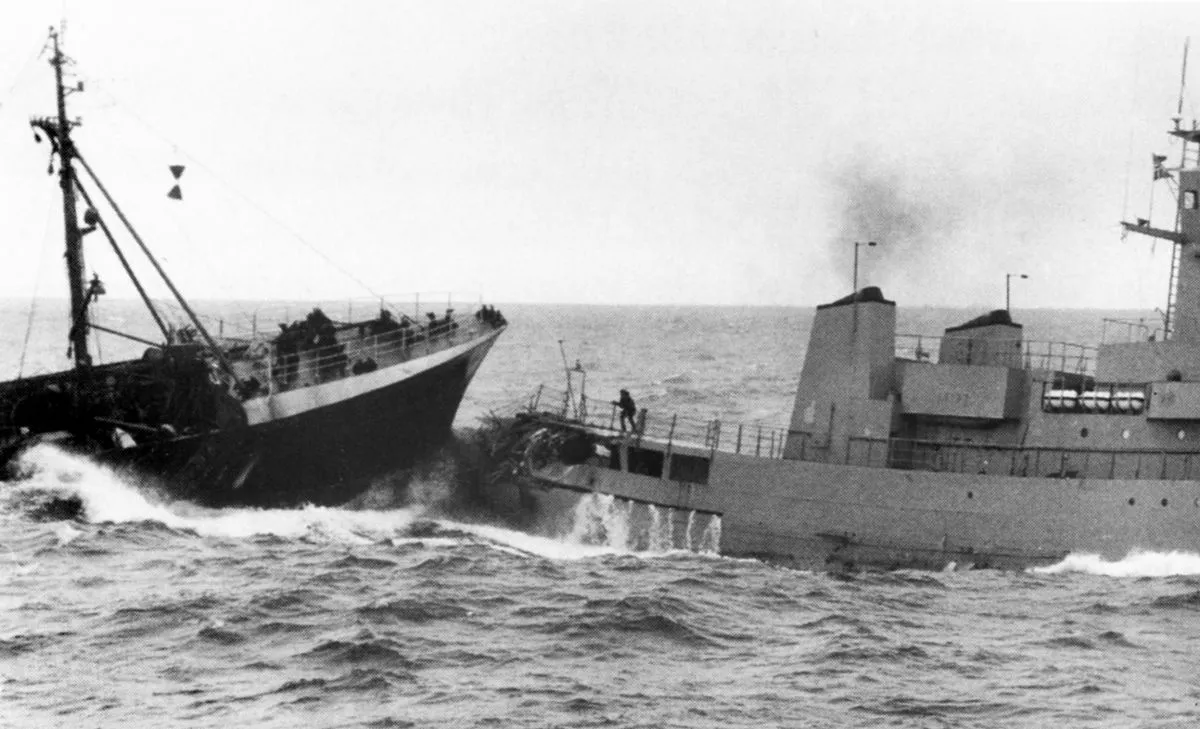 Working on trawlers during the Cod Wars in February, 1976(Image: Hull Daily Mail)
Britain tried to use its political might to bully Iceland into submission but the Norse fishermen refused to budge, threatening to leave NATO and expel American forces from its strategically significant position seen as vital to monitoring any Soviet submarine activities. The exclusion zone was continually extended; with every individual extension representing each of the three Cod Wars, and Britain was forced to accept defeat.
The impact on Fleetwood was devastating. The town’s port, once packed with trawlers, is a shadow of its former self with only a handful of fishermen still operating from there.
James Pemberton moved to the Fylde Coast in 1978, two years after the third and final Cod War. While he wasn’t one of the many thousands of Fleetwood locals whose families were destroyed by the demise of the town’s once thriving fishing economy, he witnessed their decline.
“When I first came up here there were still plenty of fishing boats about,” James said as he walked his trusty companion Hammond alongside the docks. “It was wall-to-wall with boats.”
At its peak, Fleetwood’s fishing industry directly and indirectly employed around 11,000 people. But after the Cod Wars, as Britain looked to protect its own fishing stock, a government policy offering compensation to those who scrapped their trawlers tolled the death knell for the few who had survived the battle with Iceland.
In the same year that James moved to Thornton, the then Prince Charles visited fish markets in the north of England, his interest in the industry having been piqued by the aftermath of the Cod Wars. But no amount of royal support and publicity could save the livelihoods of the many trawlermen whose ancestors had made their living in the brutal, icy waters of the North East Atlantic.
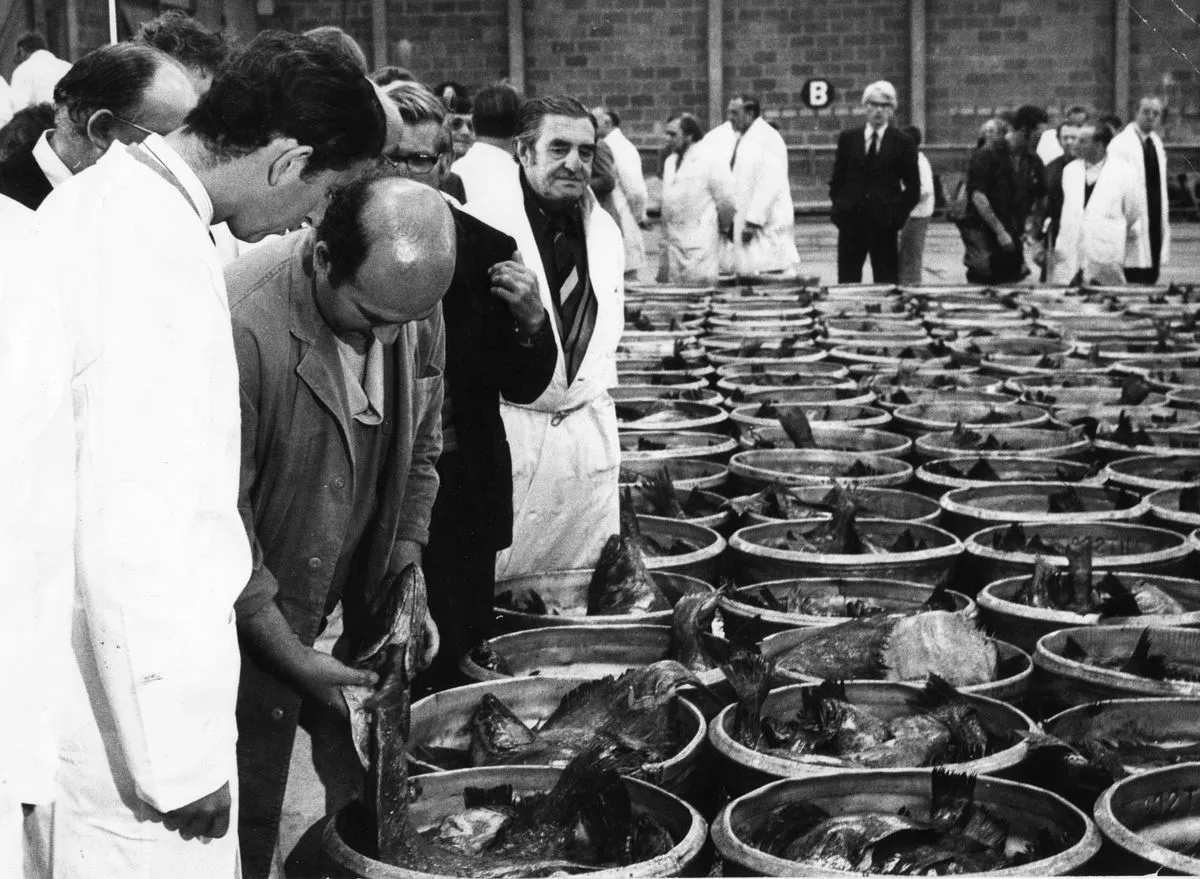 Prince Charles touring Hull Fish Market in July 1978(Image: Hull Daily Mail / Hull Live)
Fleetwood’s dock has survived but, as James laments, much of it has been “picked away at”, with new housing being built on the industrial land which surrounded it. Increasing mooring costs have also led to many pulling out of the marina.
“One of my friends worked on a trawler; it was a horrendous life out on the water,” James added. “And when Iceland introduced the new perimeters they had to go further and further afield. They’d come back with haddock, cod, squid, lobster and salmon.”
But not all is lost. With government funding came the 42,000 square foot Neptune Food and Fish Processing Park which employs around 300 people with many of those employed at Midland Fish Company, which processes around 50 tonnes of fish a day, descending from trawlermen.
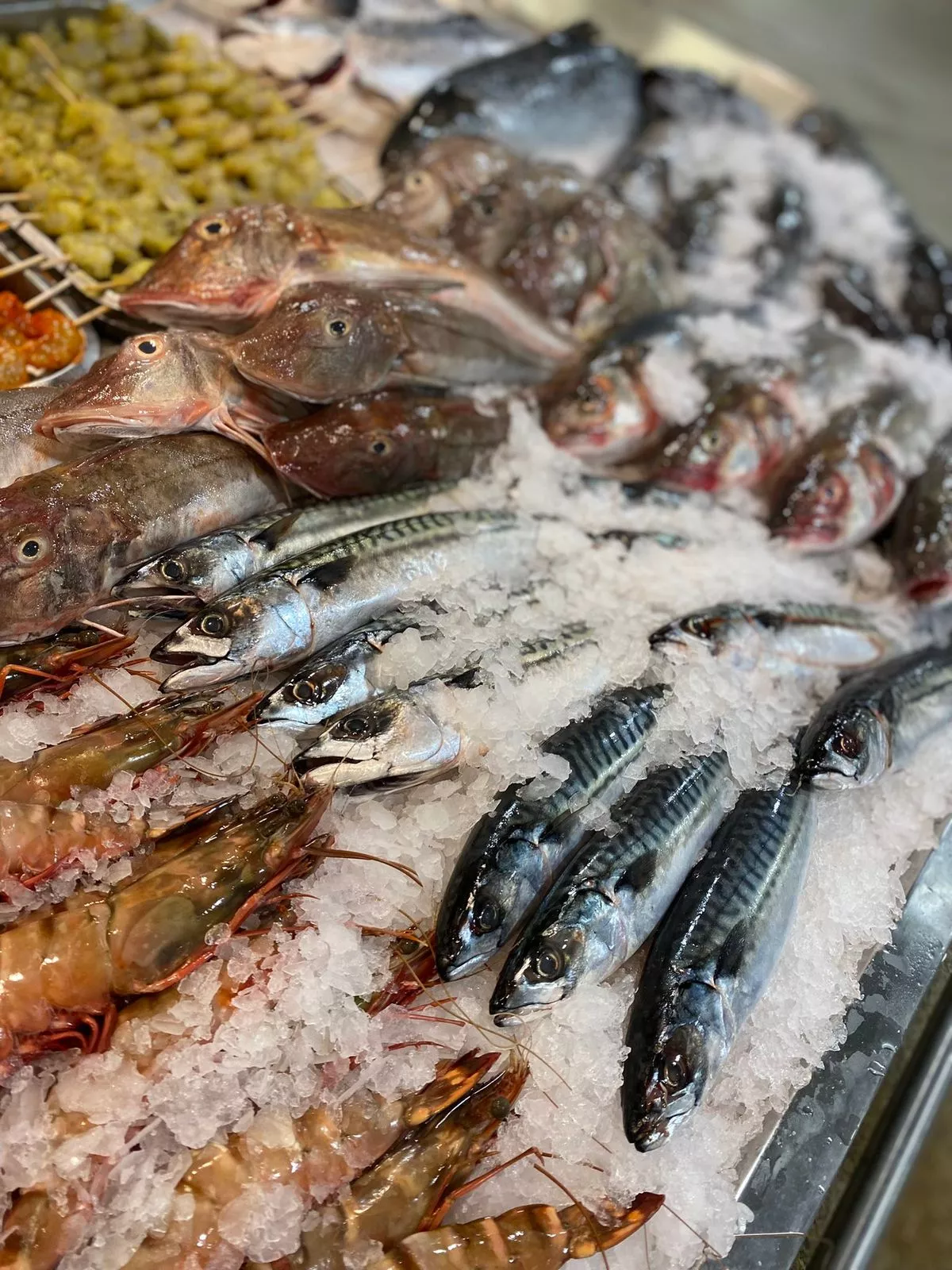 Fish processed by Midland and sold at Mayers in Blackburn
Midland Fish Company sells to restaurants and retailers across the UK including the iconic Mayers Fishmongers in Blackburn. Fish processed there is favoured by top chefs including Paul Heathcote and has been enjoyed by the likes of Vernon Kay.
Although Fleetwood is no longer home to a bustling dock responsible for bringing in much of Britain’s fish it still plays its part. And its townsfolk remain fiercely proud of its fishing heritage.
Throughout Fleetwood there are dozens of nods to its former fishing glory with memorials, statues and landmarks a reminder of its once booming industry.
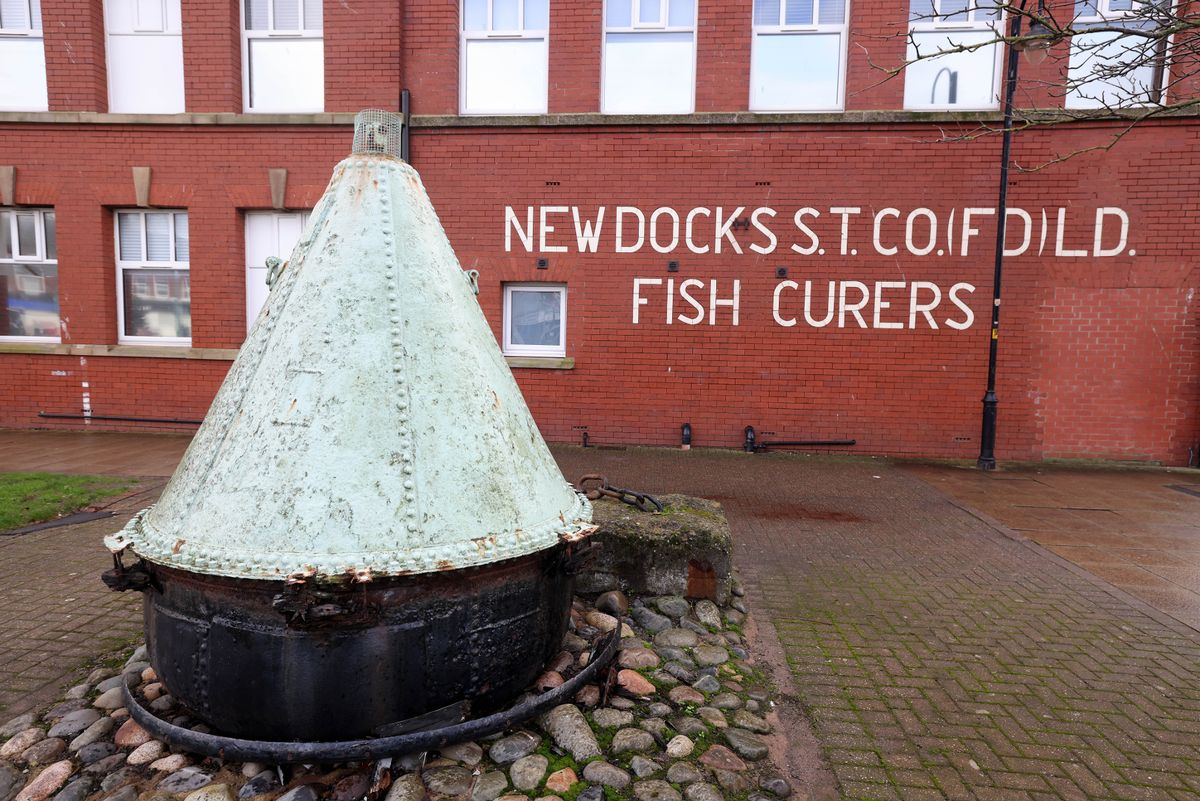 A Fleetwood Harbour buoy outside the New Docks Fish Curers building in Fleetwood(Image: Jason Roberts /Manchester Evening News)
Regular fish auctions, which faced further challenges in 2021 when post-Brexit paperwork disrupted EU exports, continue to be held in Fleetwood and its fish and chip shops are still going strong. Ironically, some of the town’s fish processors still deal in Icelandic cod, but it no longer comes from its own trawlers.
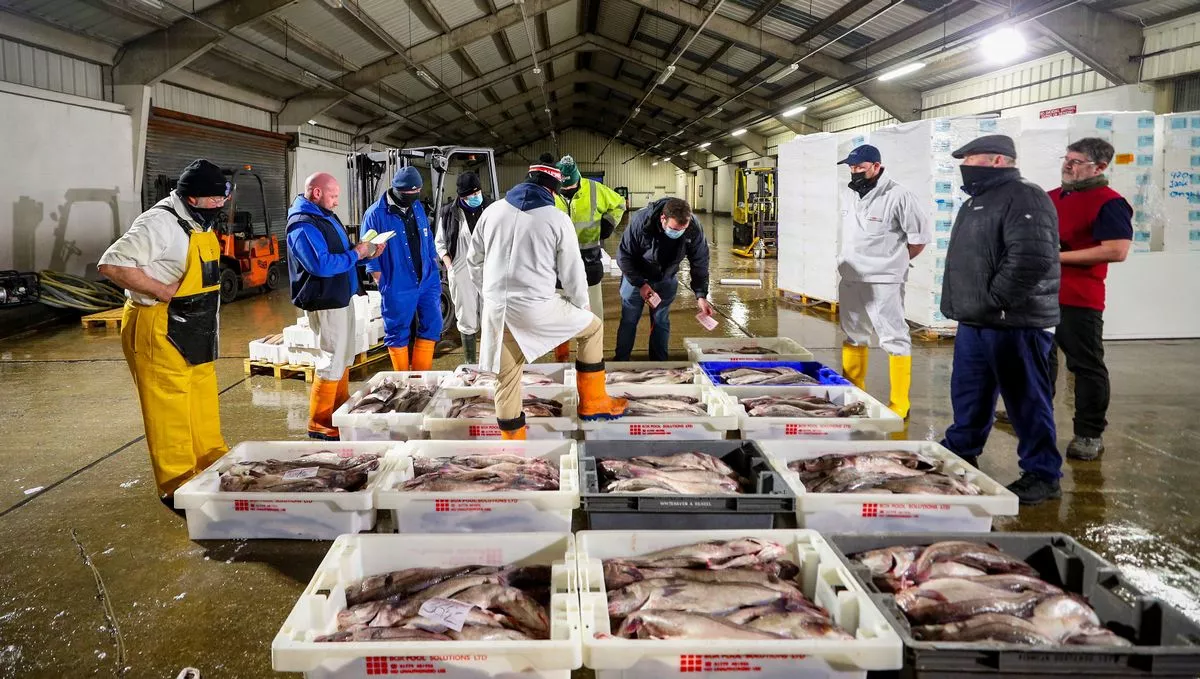 Market manager Alastair Ewen (second left) conducts an auction of fish brought in this morning at the docks in Fleetwood(Image: PA)Join our LancsLive WhatsApp group
LancsLive now has its very own WhatsApp community to deliver the latest news straight to your phone.
Breaking news, opinion and top stories are being sent directly to our community and we want you to be part of it. Get the latest news as it breaks from across Lancashire. Users who want to join must have WhatsApp downloaded to their phone.
All you have to do to join is click on this link, select ‘Join Community’ and you’re in. No one will be able to see your personal information in the community and you will only receive messages from the LancsLive news team. We will not spam your WhatsApp feed with constant messages, but you will receive updates from us daily with the latest stories from across the county.
If for some reason you decide you no longer want to be in our community, you can leave at any time by clicking on the name at the top of your screen and clicking ‘Exit Group’, simple as that.
Join our new Whatsapp community! Click this link to receive daily LancsLive breaking news and top stories. We also treat our community members to special offers, promotions, and adverts from us and our partners. If you don’t like our community, you can check out any time you like. If you’re curious, you can read our Privacy Notice.