
Home » Hotels And Resorts In Spain » Spain Joins United States, Italy, France, Greece, United Kingdom, Portugal in Cracking Vacation Rentals, This is a Major Step to Tackle Overtourism, New Update is Here
Published on
December 15, 2025
By: Tuhin Sarkar

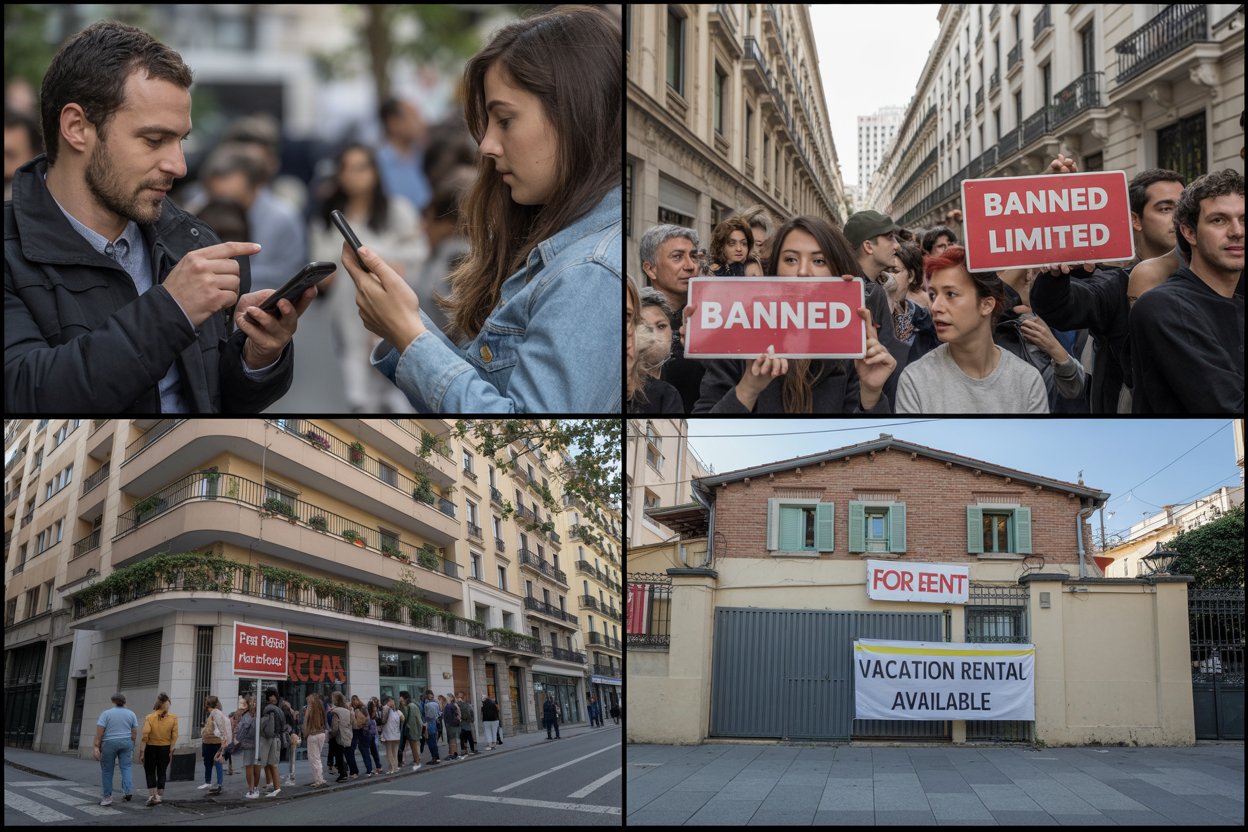
In a groundbreaking move, Spain joins US. Italy, France, Greece, United Kingdom, and Portugal in cracking down on vacation rentals, marking a significant shift in global travel regulations. This action signals a major step toward tackling overtourism and the housing affordability crisis that has plagued tourist-heavy cities.
With countries like Spain leading the charge, governments are finally stepping in to limit the impact of short-term rentals on local communities. By cracking down on vacation rentals, these countries aim to balance the benefits of tourism with the need to preserve local housing for residents. As vacation rentals face increasing scrutiny, tourists—especially budget-conscious American travellers—must adapt.
This shift could reshape the way we travel, making it essential for you to understand the new reality of vacation rental regulations. Travel And Tour World urges you to read on to stay ahead of the changes that will affect your next holiday plans.
Spain Fines Airbnb 64 Million Euros for Unlicensed Tourist Rentals Amid Housing Crisis
Spain’s government has fined Airbnb a hefty 64 million euros ($75 million) for advertising unlicensed tourist rentals across the country, officials confirmed on Monday. This fine is part of Spain’s increasing scrutiny of short-term rental companies like Airbnb and Booking.com as the nation grapples with an escalating housing affordability crisis, especially in city centres.
The consumer rights ministry found that many of the listed rentals did not include required license numbers or displayed incorrect license information, violating local regulations. In some cases, the platform also listed incorrect host information. According to the ministry, these violations contribute to the growing problem of rising rental prices, which have worsened as more properties are taken off the long-term rental market to be used for short-term holiday bookings.
Airbnb has announced its intention to challenge the fine in court. The company maintains that it has been actively working with Spanish authorities to comply with a new national registration system for short-term rentals. Since January, more than 70,000 listings on Airbnb have added the necessary registration numbers to meet local requirements.
Spain’s left-wing government, alongside many Spaniards, holds that short-term rental companies have been a significant factor in driving up housing costs, making it harder for locals to afford homes. Spain is one of the world’s most visited countries, and the explosion of short-term rentals has exacerbated the housing shortage in major cities like Barcelona and Madrid.
Pablo Bustinduy, Spain’s consumer rights minister, emphasised that many families are suffering due to the housing crisis, while a few are profiting from business models that displace residents. Earlier this year, in May, Spain’s consumer rights ministry ordered Airbnb to remove 65,000 listings for rule violations.
The housing issue is also being tackled locally. In Barcelona, authorities plan to phase out all 10,000 licensed short-term rentals in the city by 2028 to ensure the housing supply remains available for residents.
A Global Movement to Limit Airbnb and Vacation Rentals: Why Your Travel Plans Could Change Forever
Countries around the world are tightening their grip on Airbnb and the vacation rental market, making it harder for budget American tourists to find affordable stays. From hefty fines to outright bans, governments are taking a stand against the short-term rental platforms that have rapidly dominated major cities. Spain, Italy, France, Greece, and the United States are among the nations leading this crackdown, sparking a fierce debate between residents, tourists, and hosts. If you’re an American tourist hoping to book a budget vacation rental, this could be the wake-up call you need.
The battle over short-term vacation rentals is growing more intense by the day. Cities like Barcelona, Paris, and New York are implementing regulations that threaten to upend how tourists book their holidays. As the market shifts, you may need to reconsider how and where you book your stays. This article breaks down the global Airbnb crackdown, providing critical insights into how it affects you, the budget American tourist.
Italy Joins the Fight: Short-Term Rentals Banned in Florence and Beyond
Italy is also making its mark in the global fight against short-term vacation rentals. Cities like Florence are planning to ban new short-term rental listings within their historic centres, reflecting rising concerns about overtourism and housing shortages. As Airbnb rentals take over long-term housing spaces, locals are struggling to find affordable places to live.
Italy’s government and several municipalities have adopted zoning restrictions and licensing controls to combat the impact of short-term rentals on local communities. These regulations aim to limit new listings while offering support for those who continue to operate legally under new rules.
In Rome and other cities, hosts who want to list their properties for short-term rentals must register their homes with the government and provide evidence of compliance with safety standards. Failure to comply with these regulations can result in heavy fines and the removal of listings.
France Takes Action: Airbnb Rentals Are Facing Severe Restrictions
France has already made significant strides in regulating the vacation rental market, implementing strict rules for Airbnb hosts in popular tourist cities like Paris and Nice. Since 2018, the Paris city council has required hosts to register their properties for short-term rental use. Paris limits residents to offering 120 nights per year for short-term rentals. This move has been crucial in protecting long-term housing in the capital, which has seen a sharp rise in rental prices due to the growing number of short-term vacation rentals.
In addition to registration and licensing requirements, the French government has also imposed hefty fines on Airbnb hosts who fail to comply. This includes €12,500 fines for illegal rentals in cities like Paris, where property prices have soared as more homes are converted into tourist accommodation.
Greece and the Battle Over Athens: New Restrictions on Vacation Rentals
Greece is fighting its own battle against the overwhelming dominance of short-term rentals in its most sought-after tourist cities. In Athens, the government has introduced new short-term rental laws aimed at limiting the impact of Airbnb on the local housing market. The new legislation requires owners of short-term rental properties to register with the government and comply with a series of tourism safety standards.
Athens, along with Santorini and Mykonos, is particularly affected by the influx of vacation rentals that replace traditional housing. Tourism continues to be a major economic driver in Greece, but housing affordability is becoming an increasingly serious issue, especially for younger generations. Greece’s new laws are designed to curb the negative effects of this growing sector.
Greece has recently passed legislation freezing new rental permits in Athens’ central areas until 2025. The government has also capped the number of days owners can list their properties for short-term rentals.
The U.S. Struggles With Regulation: How New York City is Leading the Charge
In the United States, cities like New York City have implemented some of the most stringent regulations on Airbnb and vacation rentals. Local Law 18 of 2022 requires all short-term rental hosts to register their properties with the city and limits the number of days entire apartments can be rented. New York City is not alone in cracking down on vacation rentals, with other cities like San Francisco, Los Angeles, and Chicago also implementing registration and licensing requirements.
The primary concern is that short-term rentals are taking away much-needed long-term rental housing for residents. New York City’s law specifically targets short-term rentals in entire apartments, allowing only the owner or a tenant who resides in the property to rent out rooms. This has led to Airbnb limiting the number of active listings for entire homes in New York.
The Future of Vacation Rentals: What Does This Mean for American Tourists?
As governments worldwide tighten their regulations on Airbnb and vacation rentals, budget American tourists face new challenges in booking affordable stays in the world’s top tourist destinations. These new laws are designed to protect housing for residents, curb overtourism, and ensure that local communities benefit from tourism. American tourists may find themselves navigating a more complex landscape when booking vacation rentals.
As Airbnb becomes a target for global regulation, American tourists may have to seek alternatives or adjust their travel plans to comply with local laws. If you rely on vacation rentals for budget-friendly travel options, it’s crucial to stay informed about the latest regulatory changes in your desired destinations.
By following the developments in Airbnb regulation globally, budget American tourists can better plan their trips while staying informed on how each country is adjusting to the increasing impact of short-term vacation rentals. This shift may drastically change how Americans travel to their favourite international destinations. Stay prepared, or you may find yourself paying higher prices or dealing with new rules that could make your dream holiday less attainable.
