
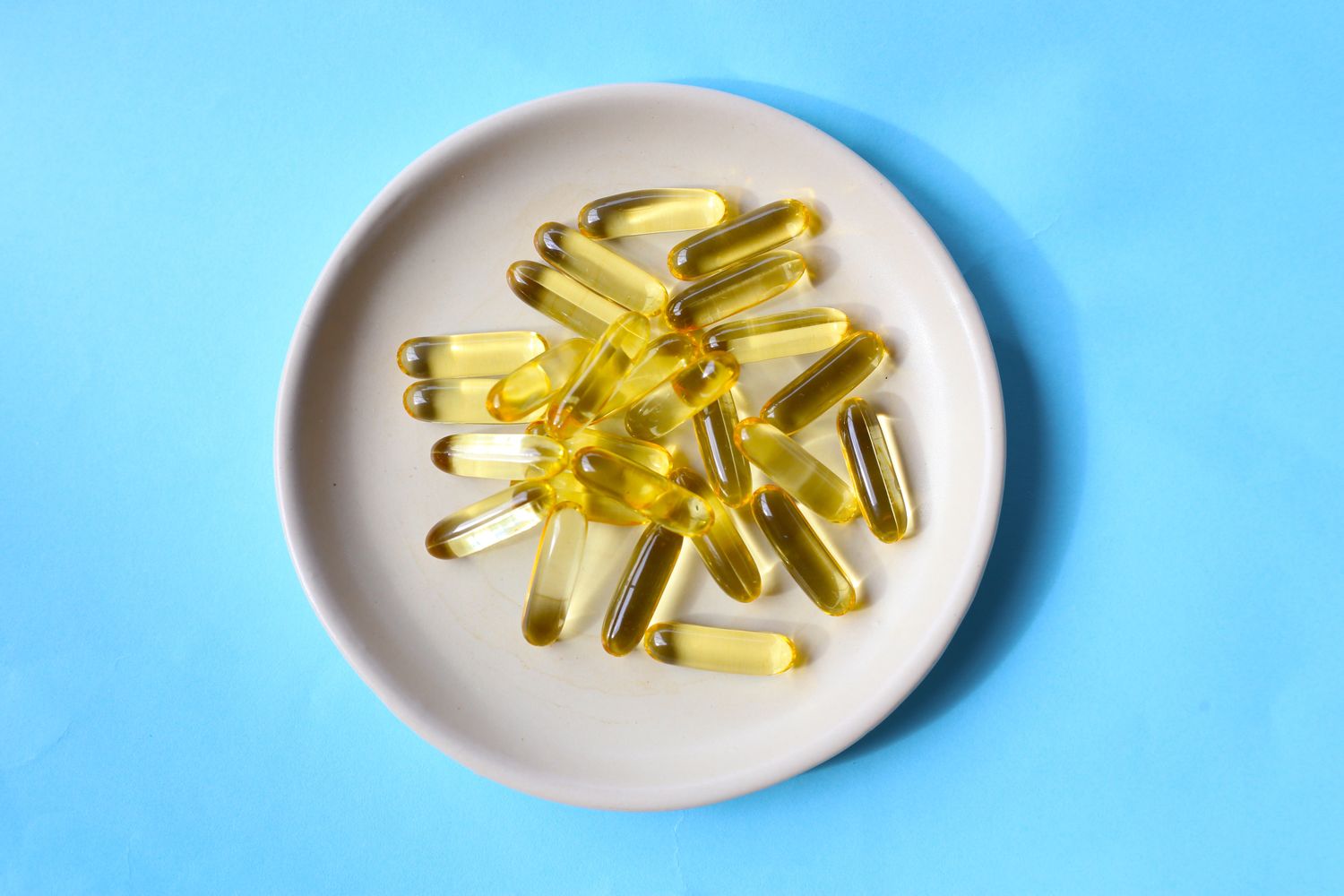
Omega-3 fatty acids are healthy fats that can support heart health. Many people turn to them in an effort to fast-track heart health benefits, but they may not provide the desired outcome.
We asked our chief medical officer, Sohaib Imtiaz, MD, if taking omega-3 supplements is the best approach to improving cardiovascular health.
*This interview has been edited and condensed for clarity.
Q: Omega-3s have a reputation for being heart-healthy, but it seems that their benefits are more nuanced. Does taking omega-3 supplements actually benefit your heart health?
Imtiaz: The results of taking omega-3s for heart health are inconsistent. Researchers haven’t confirmed that they offer significant cardiovascular protection.
The overall data show that omega-3 supplements modestly reduce coronary heart disease events and triglycerides (a measure of fats in the blood). But the evidence doesn’t show a decrease in overall mortality, cardiovascular events, stroke, or arrhythmia.
In fact, high doses of omega-3 (more than 1 gram per day) are linked to increased risk of developing atrial fibrillation (Afib), a rapid, irregular heartbeat.
What About Omega-3s From Food?
Omega-3s from food are actually better for your heart than taking supplements. Fish, a primary source of omega-3 in your diet, is good for your cardiovascular health. However, supplementing with omega-3 hasn’t shown any significant benefits.
We don’t exactly know why this is, but it could be related to the cofactors (chemical compounds that help enzymes work effectively) in your food that affect how the omega-3s act. A supplement is just a dose of that particular thing, without any helpful enzymes.
It is an interesting explanation, but we don’t have enough evidence to say for sure that this is why omega-3 supplements are less effective than those from food.
Heart-Healthy Supplements to Take Instead
Heart health can be very complicated because there are so many factors that can cause you to have cardiovascular disease. You should talk to a healthcare provider before trying any supplements for heart health, because not all of them will be beneficial.
It really depends on your health. For example:
Psyllium husk or red yeast rice may benefit your health if you have high cholesterol or high triglycerides (although the latter is controversial and lacks sufficient research to support its use).
Coenzyme Q10 (CoQ10) may be helpful if you have high blood pressure (although there’s limited evidence to support this effect).
Magnesium supplements may be beneficial if you have low magnesium levels, as they are often associated with high cholesterol and high blood pressure.
Folic acid supplements may contribute to heart health in people with high homocysteine levels. Homocysteine is a B vitamin that can damage the arteries if levels are too high.
Garlic supplements may benefit individuals with high blood pressure or a lipid disorder, such as high triglycerides or cholesterol.
Again, these are just examples, and you should never replace your medication with supplements. Always talk to a healthcare provider to decide if adding a supplement to your medication regimen is right for you.
Verywell Health uses only high-quality sources, including peer-reviewed studies, to support the facts within our articles. Read our editorial process to learn more about how we fact-check and keep our content accurate, reliable, and trustworthy.
NIH National Heart, Lung, and Blood Institute. Omega-3s for heart health? Exploring potential benefits and risks.
NIH Office of Dietary Supplements. Omega-3 fatty acids.
Fatkin D, Cox CD, Martinac B. Fishing for links between omega-3 fatty acids and atrial fibrillation. Circulation. 2022;145(14):1037-1039. doi:10.1161/CIRCULATIONAHA.121.058596.
National Center for Complementary and Integrative Health. 7 things to know about omega-3 fatty acids.
Jovanovski E, Yashpal S, Komishon A, et al. Effect of psyllium (Plantago ovata) fiber on LDL cholesterol and alternative lipid targets, non-HDL cholesterol and apolipoprotein B: a systematic review and meta-analysis of randomized controlled trials. Am J Clin Nutr. 2018;108(5):922-932. doi:10.1093/ajcn/nqy115.
NIH National Center for Complementary and Integrative Health. Red yeast rice: what you need to know.
Zhao D, Liang Y, Dai S, et al. Dose-response effect of coenzyme Q10 supplementation on blood pressure among patients with cardiometabolic disorders: a Grading of Recommendations Assessment, Development, and Evaluation (GRADE)-assessed systematic review and meta-analysis of randomized controlled trials. Adv Nutr. 2022;13(6):2180-2194. doi:10.1093/advances/nmac100.
Siddiqui RW, Nishat SMH, Alzaabi AA, et al. The connection between magnesium and heart health: understanding its impact on cardiovascular wellness. Cureus. 2024;16(10):e72302. doi:10.7759/cureus.72302.
Kaye AD, Jeha GM, Pham AD, et al. Folic acid supplementation in patients with elevated homocysteine levels. Adv Ther. 2020;37(10):4149-4164. doi:10.1007/s12325-020-01474-z.
Sleiman C, Daou RM, Al Hazzouri A, et al. Garlic and hypertension: efficacy, mechanism of action, and clinical implications. Nutrients. 2024;16(17):2895. doi: 0.3390/nu16172895.

Thanks for your feedback!
What is your feedback?
Helpful
Report an Error
Other