
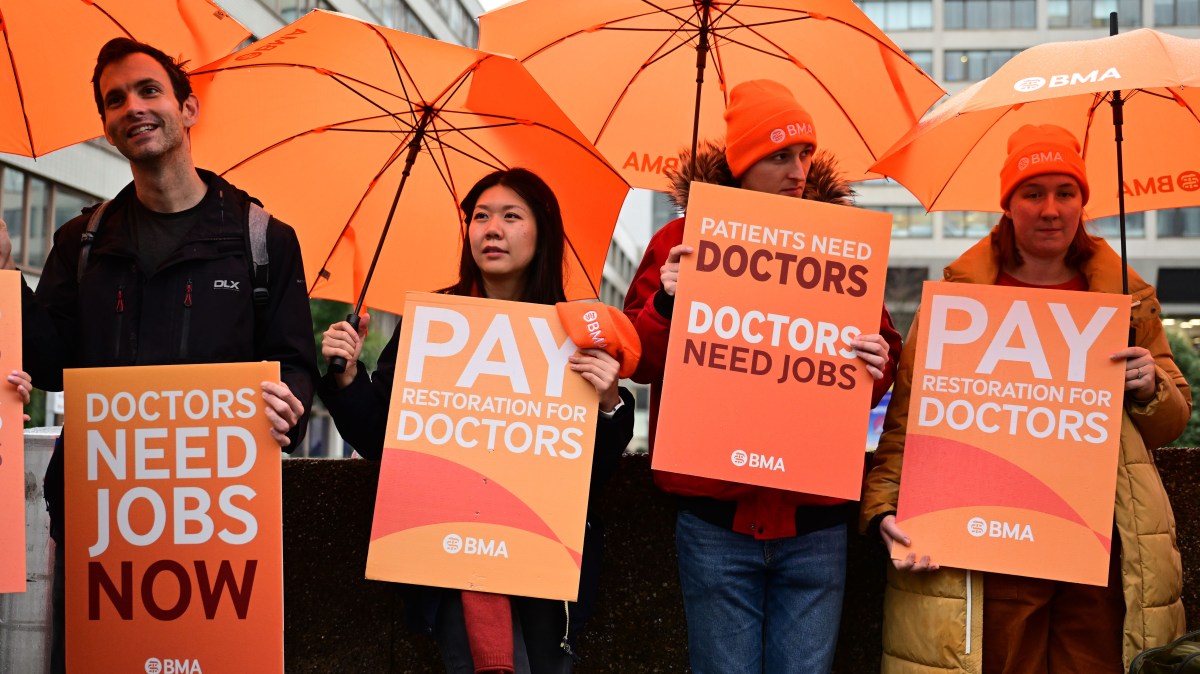
Sir Keir Starmer has urged doctors to “push back” against the British Medical Association, while No 10 described a strike this week as “self-indulgent, irresponsible and dangerous”.
Resident doctors, formerly known as junior doctors, have confirmed that they will walk out for five days from Wednesday, despite a serious flu outbreak, after overwhelmingly voting to reject a new offer from the government.
Starmer has insisted he will not provide more money to meet the BMA’s “fantasy pay demand” for a 26 per cent increase to end the long-running dispute.
In a ballot of BMA members, which closed on Monday, 83 per cent voted to reject a deal from Wes Streeting, the health secretary, and go ahead with strikes. Some 35,000 resident doctors voted, a turnout of 65 per cent.
The deal would have increased job opportunities but did not increase overall pay. Resident doctors want a 26 per cent pay rise, on top of the 28.9 per cent increase they have had over the past two years.
Streeting warned that the doctors were striking “at the moment of maximum danger” for the NHS in the run up to Christmas, with flu hospitalisations the highest on record for this time of year. He said: “I am appealing to ordinary resident doctors to ignore the BMA strike and go to work this week. Abandoning patients in their hour of greatest need goes against everything a career in medicine is meant to be about.”
The strong support for strikes in the BMA’s vote indicates that there is no end in sight to the long-running dispute over pay and jobs, which threatens to wreck Labour’s election pledge to reduce NHS waiting lists.
Junior doctors have been on strike for 53 days since March 2023 and a fresh ballot for strike action is likely to pass in the New Year, meaning that strikes may drag on until at least the summer of 2026.
• The Times view: Junior doctors should take the win and accept Wes Streeting’s offer
Starmer told the Liaison Committee of senior MPs that Labour would not offer any more money to end the dispute, and the government appears to be pinning its hopes on doctors defying their union.
The prime minister said: “I think they’ve lost the sympathy of the public, frankly, and I think they’ve lost the sympathy of their colleagues, their non-doctor colleagues in the health service, who are getting on with their jobs, many of them on a much lesser rate of pay increase than the BMA, than the doctors got.
“I’d appeal to the doctors themselves to push back against the BMA. In relation to this, they are losing ground in terms of the sympathy they might otherwise have had for the difficult job that they do.”
A No 10 spokesman said: “These strikes are unnecessary, they’re self-indulgent, they’re irresponsible and they’re dangerous. Resident doctors have already had a 28.9 per cent pay rise. There is no justification for striking just because this fantasy demand has not been met.”
Public support for the strikes is low, according to a YouGov poll released on Friday, with 58 per cent of those opposing the industrial action and 33 per cent supporting it.
The NHS has said that it is facing a “worst-case scenario” in the run up to Christmas thanks to the “double whammy” of flu and strikes. The latest data shows that an average of 2,660 people were in hospital each day with flu in the first week of December, the highest number on record for this time of year.
• ‘Lives at risk’ if doctors strike during flu surge, Shabana Mahmood says
Streeting said: “The BMA has chosen Christmas strikes to inflict damage on the NHS at the moment of maximum danger, refusing the postpone them to January to help patients and other NHS staff cope over Christmas. There is no need for these strikes to go ahead this week, and it reveals the BMA’s shocking disregard for patient safety and for other NHS staff. These strikes are self-indulgent, irresponsible and dangerous.”
The deal put by Streeting to the BMA last week would have introduced reforms to end “bottlenecks” in training, including by passing emergency legislation to give UK graduates priority for NHS jobs over foreign medics. It would also have created 4,000 new training posts and reimbursed doctors for exam fees, but there was no increase in headline pay.
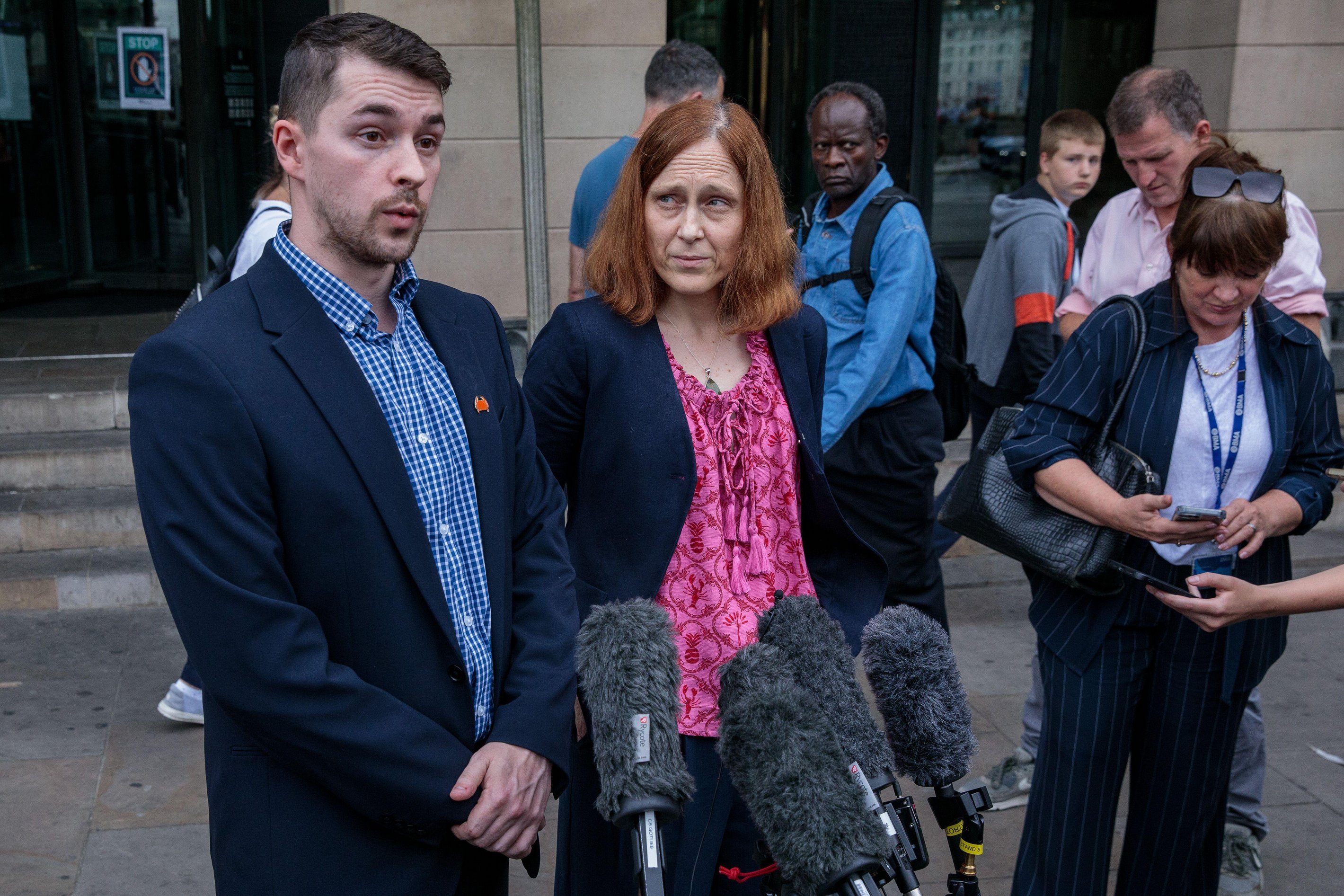
Dr Ross Nieuwoudt and Dr Melissa Ryan are co-chairs of the BMA Resident Doctor Committee
MARK KERRISON/ALAMY
The BMA announced on Monday that 65 per cent of its 54,000 resident doctor members had voted in the poll. Of these, 83 per cent voted to continue with the strike and 17 per cent voted to accept the deal.
Dr Jack Fletcher, chair of the BMA’s resident doctors committee, said: “Our members have considered the government’s offer, and their resounding response should leave the Health Secretary in no doubt about how badly he has just fumbled his opportunity to end industrial action. Tens of thousands of frontline doctors have come together to say ‘no’ to what is clearly too little, too late.
“There are no new jobs in this offer. He has simply cannibalised those jobs which already existed for the sake of ‘new’ jobs on paper. Neither was there anything on what Mr Streeting has said is a journey to restoring our pay — that has clearly hit the buffers.”
NHS leaders said the strikes were being held at “the worst possible time” for the health service, disrupting the effort of hospitals are to help get patients get home in time for Christmas.
Daniel Elkeles, chief executive of NHS Providers, said: “This vote is a bitter pill which will inevitably result in harm to patients and damage to the NHS. We had hoped that the government’s recent updated offer would be enough to head off another walkout at a time when so many people are suffering with flu, and the NHS needs all hands on deck.
“Trust leaders and staff will be working now to minimise the impact of the strike, but sadly it will mean further disruption and delays, and a very difficult Christmas for the health service.”
Rory Deighton, acute and community care director at the NHS Confederation, said: “These strikes come at the worst possible time, with rapidly rising flu levels putting huge strain on hospitals.”