
(Credits: Far Out / Alamy)
Tue 16 December 2025 9:08, UK
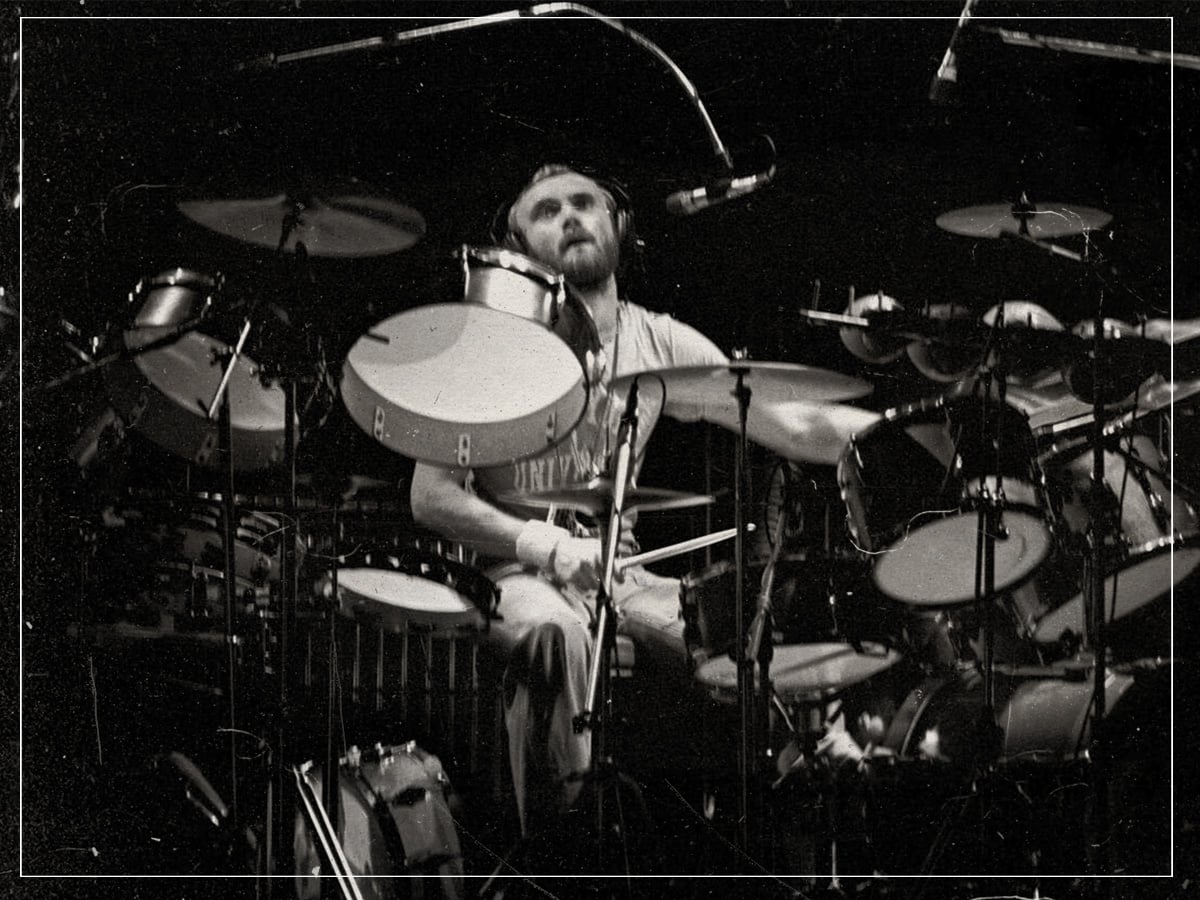
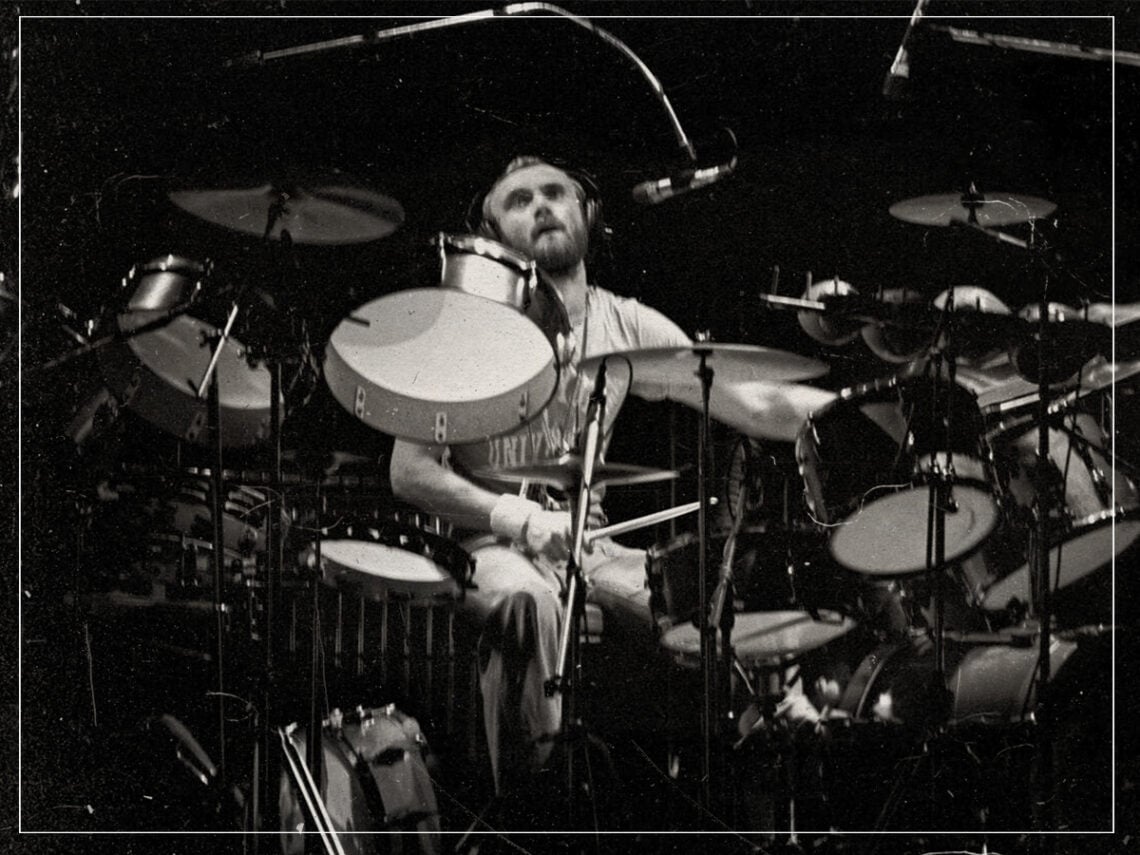
The world of progressive rock probably wouldn’t exist without Phil Collins. Throughout his work with Genesis and beyond, his way of punishing his drum kit every time he played has led to millions of aspiring drummers picking up two sticks and trying to make the most complex music they can. Although Collins committed himself to Genesis for years, there was one band with which he thought he would work much better.
Before becoming a part of the progressive rock world, though, Collins was still a young musician interested in the theatre world. After becoming an extra on The Beatles’ film A Hard Day’s Night, Collins found his calling as a rock star, quickly finding a voice behind the drumkit in various aspiring bands.
Once the drummer got a call from local band Genesis in search of a percussionist, he was inducted with no questions asked. When recalling meeting him for the first time, frontman Peter Gabriel remarked that he thought Collins was the man for them as soon as he started playing, having a great sense of timing and an ability to transition between different time signature changes without thinking about it.
Although the band was still used to 12-string guitars at this time, Collins always loved hitting the drums harder than most. Whereas the world of progressive rock may have taken its cues from the adventurous side of The Beatles, Collins started to fall head over heels for what The Who brought to the table.
Born and bred out of the same classic rock scene that birthed artists like The Rolling Stones, Pete Townshend wanted to push The Who further than anyone else, which he achieved through the relentless power of Keith Moon. Compared to the traditional drummer roles, ‘Moon the Loon’ was known for flying up and down the kit, practically serving as a lead instrument while Townshend filled out the mix with power chords.
 Jon Enwistle, Keith Moon, Pete Townshend and Roger Daltrey of The Who. (Credits: Far Out / Flickr)
When talking about the opportunity of playing in any other band, though, Collins would say that he would have gladly thrown away his shot in Genesis to play with his heroes, telling The Guardian, “Absolutely would have joined The Who. I would have left Genesis to join The Who. But they’ve got a great drummer now in Zak Starkey, he’s fantastic. Someone with the balls that Keith Moon had.”
He also told Classic Rock: “I played Uncle Ernie in Tommy [in a 1989 concert with the Who], which I loved doing, though it was very politically incorrect – playing a paedophile. But it was great because I was with the Who. I was working with Townshend just after Moon died [in 1978], and I said to him, ‘Have you got anybody to play the drums? Because I’d love to do it. I’ll leave Genesis’. And Pete said, ‘Fuck, we’ve just asked Kenney Jones’.”
Although The Who would continue following Moon’s death, Collins was already carving himself out as a frontman. Following Gabriel’s departure after The Lamb Lies Down on Broadway, the band would try out tons of different singers before Collins took his turn behind the mic, delivering the songs with a voice that could match Gabriel’s intensity.
While Genesis would continue to release prog epics on albums like Wind and Wuthering and A Trick of the Tail, Collins helped usher them into the next decade easily, creating massive pop albums like their self-titled project and Invisible Touch. The records would shoot Collins out from being a prog-rock drummer into being a leading man in the theatrics of pop music.
Even when moving into commercial territory, though, Collins kept the sound of Moon integral in whatever drum fill he played.
Related Topics