
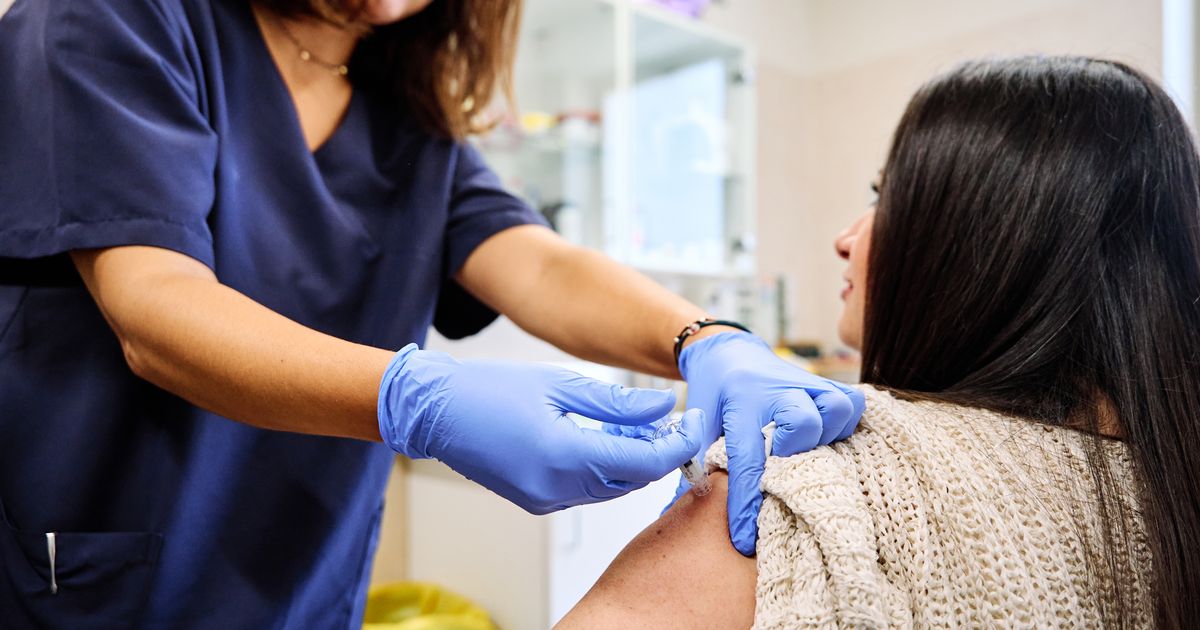
The nightmare strain has seen a surge in patients being admitted to hospitals across the country.
Ewan Mowat Deputy Lifestyle, Trends, & Showbiz Editor and Anders Anglesey
13:18, 16 Dec 2025
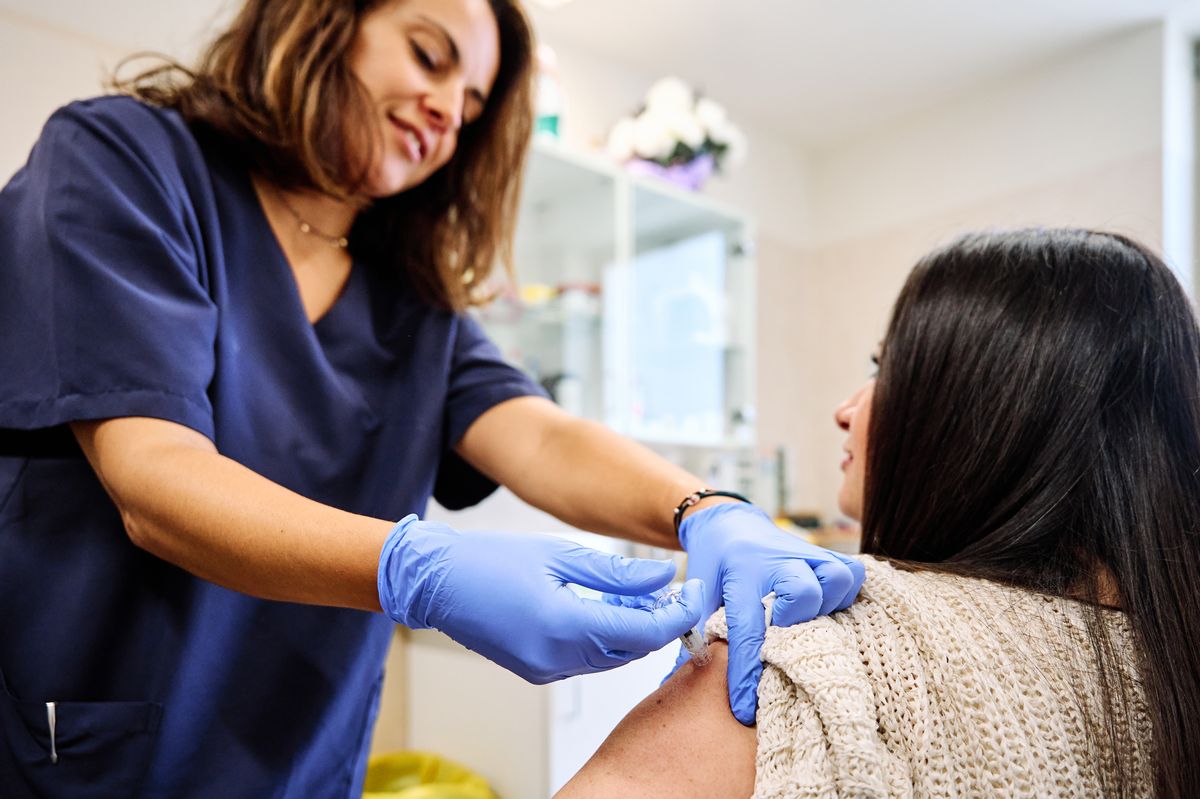 A ‘super flu’ strain is making its way across the UK and putting pressure on the NHS(Image: Getty Images)
The Christmas period is often dubbed the most wonderful time of the year – but it also happens to be a time when bugs and illnesses can run rampant. Every winter, people across the country are floored by flu. This year, however, it seems like things are worse than normal, as a so-called super flu is spreading fast throughout the UK and forcing a surge in hospital admissions.
According to Public Health Scotland, laboratory-confirmed influenza cases between December 1 and 7 rose from 1,875 to 2,331 – a whopping 24 per cent surge. On top of this, hospital admissions are up 15 per cent in the same period, from 860 to 986.
The super flu surge is believed to be down to the H3N2 strain, which is one of the most common variants that circulates the country. It first emerged in 1968 as a subtype of influenza A and has been part of seasonal flu ever since.
As reported by The Mirror, some officials have called the current crisis a “tidal wave of flu” with hospitals struggling to deal with an influx of the afflicted. The H3N2 variant mutated into an aggressive form and there are fears families gathering at Christmas could spread it further and faster.
Using the latest NHS figures, the Daily Record has created an interactive map to see where patients have been hospitalised with flu over the past week. Read on to see the chart that highlights which healthboards have been put under the most pressure.
Experts at the Royal College of Paediatrics and Child Health warned the new strain could kill otherwise healthy children in very rare cases, via complications such as sepsis.
Dr Ed Hutchinson, professor of Molecular and Cellular Virology at the University of Glasgow’s Centre for Virus Research, previously said that the new strain had picked up several new mutations.
He said: “In temperate climates, influenza is mainly a winter illness, caused by three types of influenza virus – H3N2, H1N1 and influenza B virus. They all continually acquire mutations which mean that our immunity against them goes out of date.
 The H3N2 strain could kill otherwise healthy children in very rare cases, experts have warned(Image: Guido Mieth/Getty Images)
“At the end of this year’s flu season in the southern hemisphere (i.e. our summer) the H3N2 strain of the virus suddenly acquired seven new mutations. This is a lot more than normal, and it meant that when the flu season took off in the northern hemisphere we had less protection than normal against the H3N2 component of seasonal flu.”
Getting a flu vaccination can help reduce the worst of the symptoms. Those aged 65 and over and those with pre-existing conditions, as well as their carers, have been urged to get a flu jag if possible.
While this year’s super flu surge is causing concern as it cuts swathes through the country, one expert has said the spike isn’t actually caused by anything unusual – it’s simply down to timing and behaviour.
 A flu vaccine is the best way to protect against the current strain(Image: Guido Mieth/Getty Images)
Ayesha Bashir, prescribing pharmacist at Chemist4U, explained: “You may have seen reports about a new flu strain being monitored this season, called H3N2. Flu viruses constantly shift and evolve, so it’s not unusual for new strains to develop and be monitored closely.
“What matters most for the public right now is that the symptoms we’re seeing are exactly the same as with more familiar flu strains, and the way we manage and prevent flu hasn’t changed.
“Every winter we see flu cases climb, but this year they’ve picked up a little earlier and a little faster than expected. This winter’s spike is really down to timing and behaviour.
“As soon as the weather becomes cold, we all spend more time indoors where viruses spread much more easily. If a new strain like H3N2 is circulating alongside the usual ones, that simply adds more opportunity for infection to spread quickly.”
Join the Daily Record WhatsApp community!
Get the latest news sent straight to your messages by joining our WhatsApp community today.
You’ll receive daily updates on breaking news as well as the top headlines across Scotland.
No one will be able to see who is signed up and no one can send messages except the Daily Record team.
All you have to do is click here, select ‘Join Community’ and you’re in!
We also treat our community members to special offers, promotions, and adverts from us and our partners. If you don’t like our community, you can check out any time you like.
To leave our community click on the name at the top of your screen and choose ‘exit group’.
If you’re curious, you can read our Privacy Notice.