
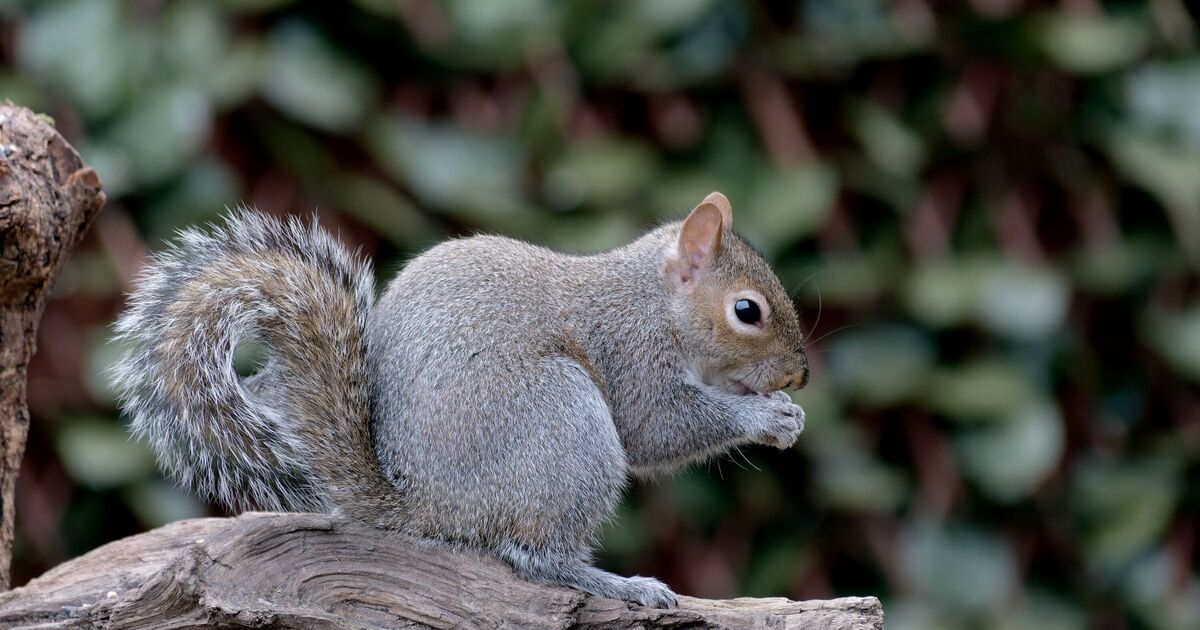
They are a cute and popular garden visitor which many like watching flit around their gardens – but many people don’t know that grey squirrels are actually a foreign invader which has driven out the native British red variety and can damage gardens, kill birds and even impact your house.
And grey squirrels can even invade your roof space, damage timbers and rip apart plumbing and electrical wiring if left unchecked. What’s more, grey squirrels are a particular nuisance to birds in gardens.
According to British Red Squirrel.org, a survey by the Forestry Commission of vulnerable woodlands in Great Britain estimated that 100% of sycamore, 66% of beech, and 30% of oak and sweet chestnut trees had been damaged by grey squirrels, while the invasive mammals also kill and eat wild bird eggs and their chicks in people’s gardens, as well as steal their food from feeders.
In winter, birds need a lot of help to survive as food supplies become scarce and many overwintering birds like robins start to struggle to find berries or insects to live on. Grey squirrels, though, don’t care, and will swipe their food from feeders and tables.
What’s more, they will eat their eggs as spring begins too.
British Red Squirrel adds: “Grey squirrels eat song-bird chicks and eggs. Research carried out by the Game Conservancy and Wildlife Trust demonstrates that grey squirrels have an adverse impact on many native woodland birds, reducing fledging rates by an average of 15%.
“Grey squirrels can damage maize and fruit crops. They are a threat to orchards and market gardens. They destroy bulbs and corms, eat tree nuts, recently sown seeds and enter into roof voids, damaging thatched and shingled roofs, telephone wires and electricity cables.
“Grey squirrels have driven the native red squirrel to localised extinctions by out-competing the red squirrel for food and habitat and by carrying a lethal squirrel pox virus to which it is immune but which is deadly to the native red squirrel.”
To keep squirrels at bay, you can put chilli powder in your garden, which is despised by squirrels but this doesn’t differentiate between the British red and invasive grey.
BritishRedSquirrel.org is urging people to check if they live in an area with red squirrels or with a reintroduction programme. It said: “Please contact the conservation group in your area. If you live in an area with only grey squirrels, look on the map to see if there is a grey control project nearby.
“Please consider setting up a community grey control group.”
Grey squirrels are not just bad news for gardens and wildlife, but they can also damage your house too.
Those who have grey squirrels in their property are being warned to contact Environmental Health, say professional house buyers Gaffsy.
They said: “Grey squirrels often produce a litter in February, which means they can become a particular nuisance at this time of year. If they manage to invade your roof space, they can damage your roof timbers, plumbing and electrical wiring with their biting.
“If you currently have grey squirrels nesting in your roof, we would recommend contacting Environmental Health who will be able to address the issue.
“To prevent any further grey squirrels from nesting on your roof, it’s important to fix any damage to your roof, such as the eaves and soffits, to prevent them from gaining access. Similarly, use a durable wire mesh and cut back any tree branches to block access.”