
(Credits: Far Out / Associated Press)
Tue 16 December 2025 18:15, UK
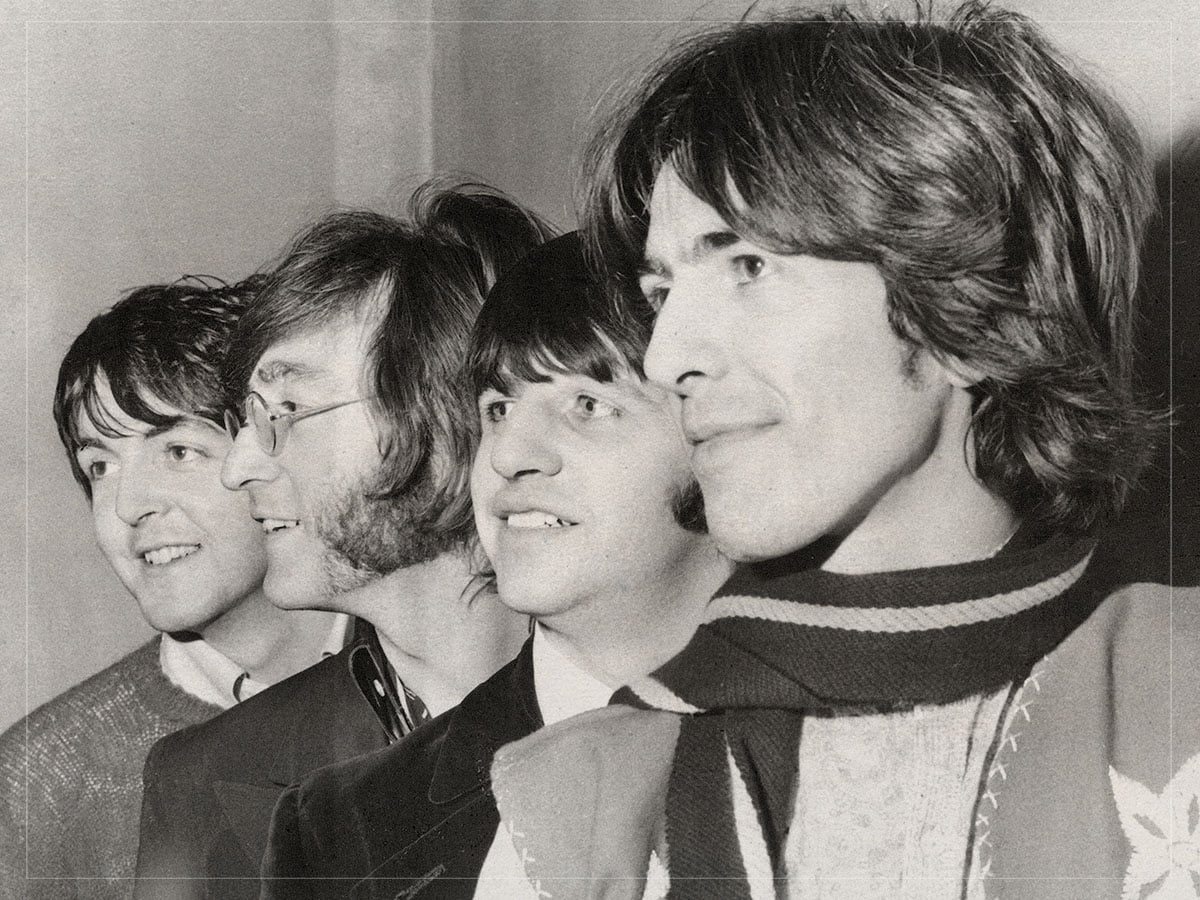
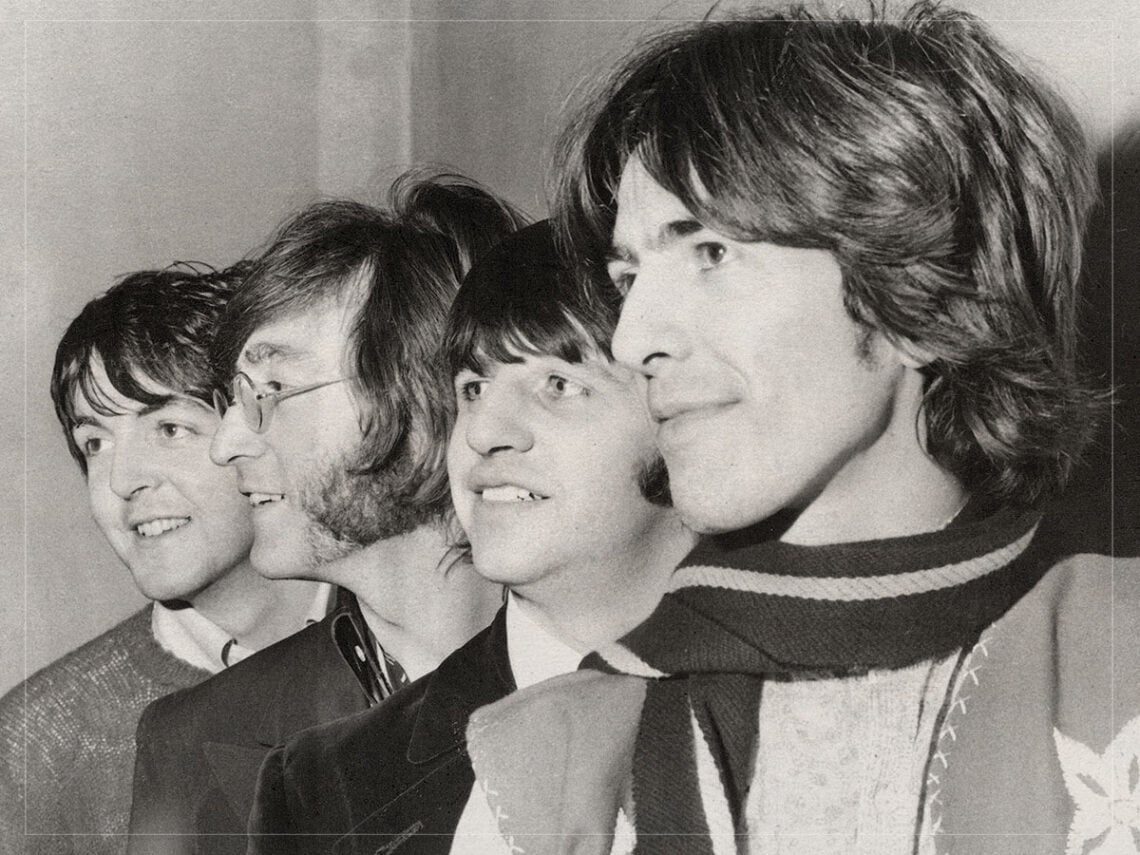
The Beatles may have come to an acrimonious and sudden end after the release of Let It Be in 1970, but in spite of them having seemingly been at odds with one another by the end of the band’s life cycle, it’s evident that they would have agreed on a number of things earlier in their time together.
When they first started out with the famous foursome that appeared on all of their studio albums, they appeared to be operating as one collective hive mind, all in accordance with one another and firing on all cylinders when it came to producing material that they thought would be able to take the world by storm. By the end of proceedings, however, they’d all developed disparate styles that they were known for, finding their own voices in their compositions and starting to sound as though they were drifting apart.
Just because they were stylistically different doesn’t necessarily mean that they were all constantly in disagreement with one another, but history has told us that their relationships began to crack after they began to release more diverse albums, with each constituent part wishing to offer a different side to the band, and quarrels happening constantly about which direction they ought to be taking.
This didn’t harm the quality of their individual work, but it did lead to John Lennon, Paul McCartney and George Harrison working less like a team, and more like three separate songwriting factories who were forced to come together to complete each other’s visions with Ringo Starr in tow.
However, because The Beatles weren’t just reliant on their own unity as a group, but also the contributions of other external entities, there were a number of individuals who kept them bound together, and whose presence they were all equally fond of for how they managed to bring a much-needed anchor to the tumultuous atmosphere of the studio during this time.
 (Credits: Bruce McBroom / Apple Corps LTD)
Of course, having worked with George Martin as their producer since the genesis of the group was one element that kept the group in check, with his studio wizardry bringing their increasingly ambitious ideas to fruition, but there was one other musician who the band had accompanying them during the recording of their last two records that they all unanimously agreed was a guiding light, and a pleasure to be around.
Having met Billy Preston in Hamburg in 1962 while he was playing keys with Little Richard’s live band, the group formed a bond that would eventually lead to him being recruited as a keyboard player on both Let It Be and Abbey Road. Lennon would later bring him into the studio to work on a number of songs for his own debut album, John Lennon/Plastic Ono Band, including the track ‘God’.
Another longtime Beatles collaborator, Klaus Voormann, was present for the sessions of this recording, and noted how Preston was a figure that not just Lennon looked up to, but the entire band, and despite their differences, the American pianist was someone they could all agree on being one of the finest musicians they ever worked alongside.
“He was on Let It Be and they got on really well,” Voormann said of Preston. “Billy loved the band and they loved Billy.”
He then went on to explain how Lennon managed to get the best out of him during the recording of ‘God’. “John actually said, ‘Come on Billy, do a little of your gospel piano, it’s about God, you know.’ So it inspired him to something that’s his upbringing; Billy learned piano playing and organ playing in church. He really believed in God and that’s the way he played on this song. It’s beautiful.”
Related Topics
The Far Out Beatles Newsletter
All the latest stories about The Beatles from the independent voice of culture.
Straight to your inbox.