

Patients with suspected ADHD and autism are being offered buy now, pay later services to help them get private diagnoses.
More than ten UK private clinics analysed by Times Money prominently advertise payment options such as Klarna for their assessments, which cost up to £2,000 and help patients get prescription medication.
Experts have warned that the trend risks landing those with neurodivergence into debt they cannot afford. Research this year by the credit agency Equifax and the charity Step Change showed that more than 70 per cent of neurodivergent people felt overwhelmed, anxious or stigmatised about debt.
It comes amid a political row over whether such conditions are being overdiagnosed since the Covid pandemic. The number of ADHD prescriptions has increased 18 per cent a year every year since 2021, according to academic research.
• Hadley Freeman: Wes Streeting must stand up to the ADHD activists
The Chelsea Pharmacy Medical Clinic offers an ADHD package that promises an assessment within two weeks for £1,995 that can be paid for in four interest-free instalments using Klarna. The Swedish fintech’s bubble-gum pink logo is featured several times across its website.
A strapline on the clinic’s homepage reads: “Making private healthcare reassuringly affordable with Klarna. Right here in the heart of Chelsea.”
The clinic said that it was fully regulated and the offer was used by “a very small minority of patients”. A spokesman said: “We do not promote or encourage the use of credit, and the payment method has no influence on any aspect of clinical decision-making.”
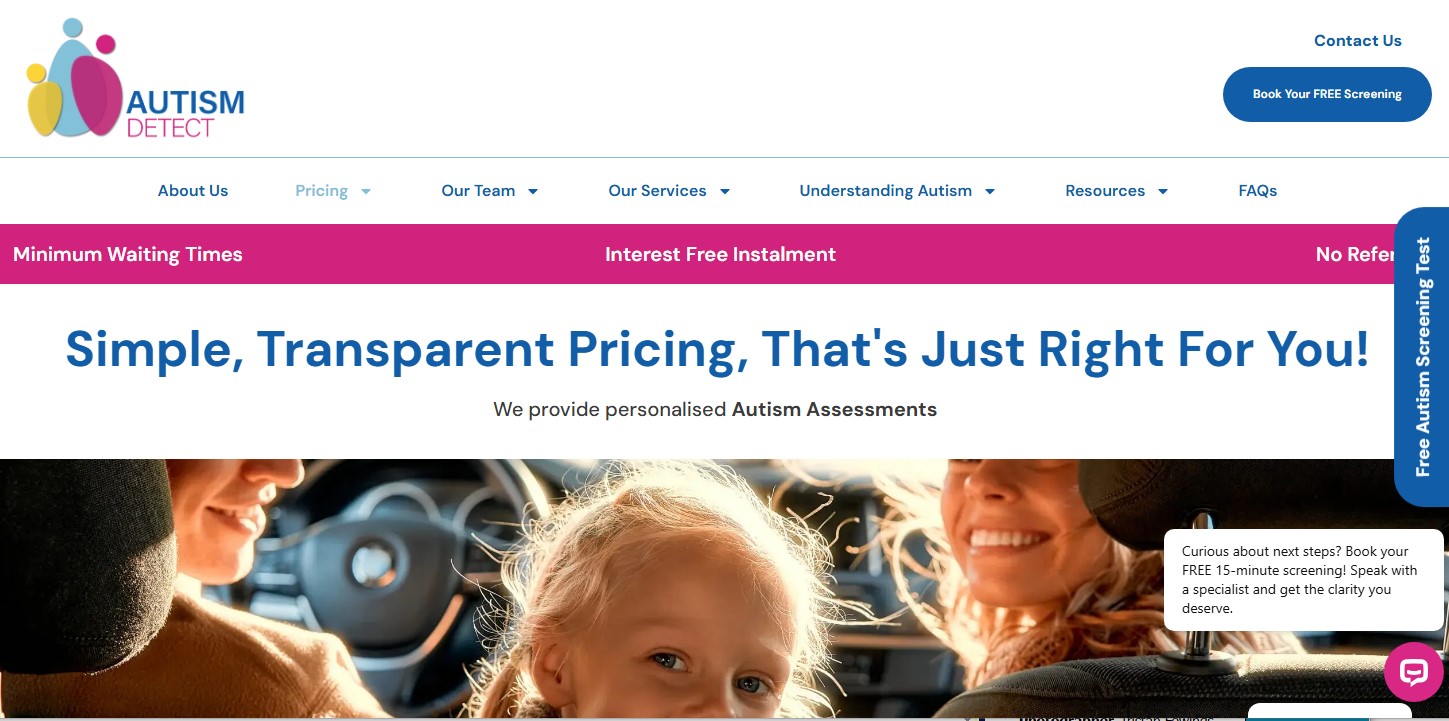
Autism Detect offers the chance to pay through Klarna or ClearPay
Autism Detect, a nationwide service based in Leicester, offers a full diagnostic assessment for £1,650, which can be paid in instalments using Klarna or ClearPay. It also offers traditional credit options such as PayPal Credit.
The firm markets itself with the tagline: “Book today. Pay later.” It said it provides alternative interest-free payment options directly through the clinic and has internal provisions to support low-income patients.
Klarna points out that it has always been possible to pay for such assessments on traditional credit cards.
The ADHD Nurse, based in Gloucestershire, offers Klarna payment options for its £1,250 adult assessments and £1,400 adolescent assessments. A spokesman said that before the clinic offered buy now, pay later, many clients were paying for their assessments by credit card, which poses “a far higher risk of long-term debt due to interest rates”.
The Autism and ADHD Diagnostic Centre in Glasgow accepts payments via Klarna and ClearPay and offers monthly payment plans starting at £225 a month for a £900 assessment. When contacted by Times Money the centre said its buy now, pay later options had not been used very often, and that most patients paid in full a week or two before their appointment.
An increasing number of patients are going private for a diagnosis for ADHD and autism because of lengthy NHS waiting lists. An investigation by the BBC last year found that individuals with ADHD faced an eight-year wait in some parts of the country for a diagnosis.
Wes Streeting, the health secretary, has launched a review into the rising demand for ADHD and autism services. Streeting previously suggested they were being overdiagnosed but has since rowed back on the comments.
Henry Shelford, the chief executive of ADHD UK, told Times Money: “I really wish we were not in this situation where people feel so desperate they would need to use credit to fund medical healthcare.
“We know that people with ADHD tend to run into financial issues — credit is a huge issue. But it’s very conflicting because taking out credit gets them the help they need.
“What concerns me is that if somebody can’t afford the initial assessment, how will they afford the treatment? Privately, medication can cost £50 to £100 a month.”
Shelford was diagnosed with ADHD ten years ago. He said if he needed a diagnosis today and could not afford it, he would also be tempted to use buy now, pay later.
• Alice Thomson: We’re labelling too many kids out of a future
Martyn James, a consumer rights champion, said: “The issue here is that very vulnerable people are potentially being exploited.
“We know that people with neuodivergence are more likely to find themselves in debt. It’s extremely irresponsible to offer people any kind of credit that could end up with debt collectors on their doors.”
Klarna offers interest-free loans to customers who buy a product then pay it off 30 days later or in instalments. There is a 14-day grace period after missed payments, after which late fees may be charged. Cases can be referred to debt collection agencies.
It has been criticised in the past for encouraging impulse spending because it is more easily accessible than traditional credit and is marketed at younger people. Klarna said: “Spreading the cost of a private assessment over three interest-free months is clearly safer than putting that cost on a credit card at 60 per cent APR.
“If the availability of our interest-free products helps someone receive a diagnosis that enables access to support strategies or reasonable adjustments, that is a good thing.
“Klarna is designed to prevent debt traps. We make a new lending decision for every purchase and remove access to credit if payments are missed.”
ClearPay was approached for comment.