
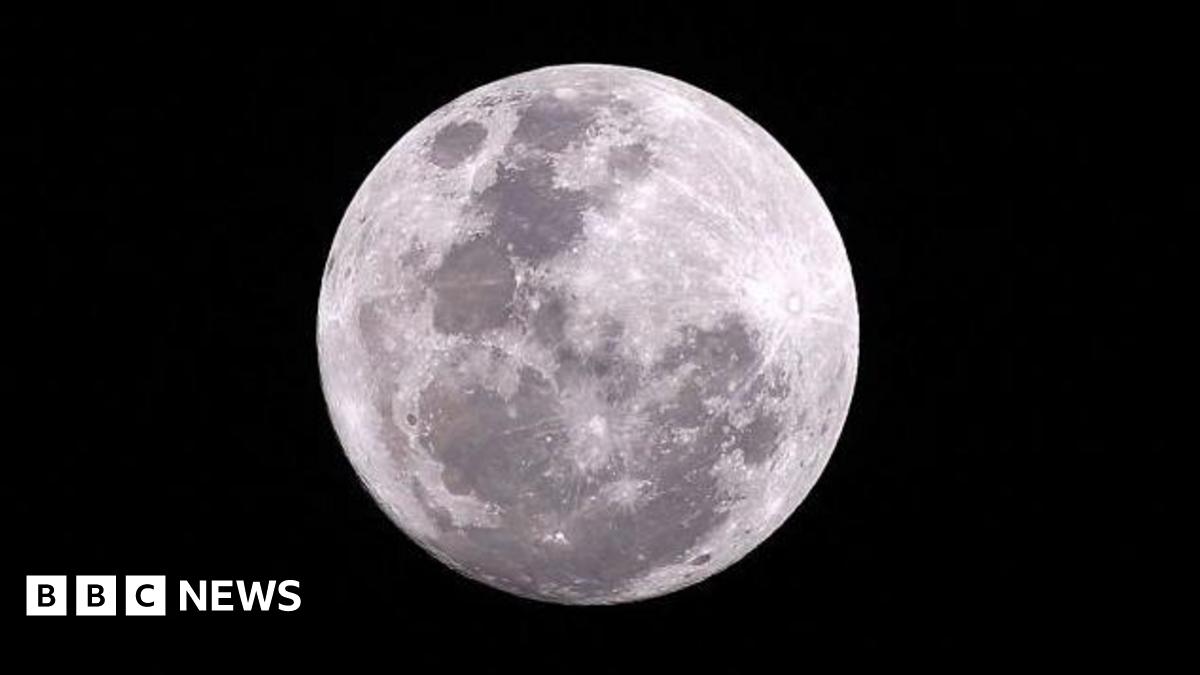
The observatory said lunar impact flashes usually only last fractions of a second and are difficult to detect.
It said they are more likely to be detected during major meteor showers when the Moon passes through streams of debris left behind by comets and asteroids.
The objects responsible for the flashes are typically very small, often smaller than a golf ball, and are far too faint to be seen with a telescope while in space, it added.
When they strike the Moon at extremely high speeds their kinetic energy is rapidly converted into heat and light which briefly vaporises material at the impact site and produces the flash seen from Earth.
AOP estimates this particular object was travelling at about 35 km/s.
Mr Marshall-Lee observed its impact during the peak of the Geminid meteor shower, making it the most likely origin of the object which caused the flash.
AOP said it will continue to investigate the object’s origin and a video of the flash it created can be seen on its website, external.