
Bigger is not always better. It becomes overblown. And this, at least in large part, may be the problem troubling that behemoth of the British art world: Tate.
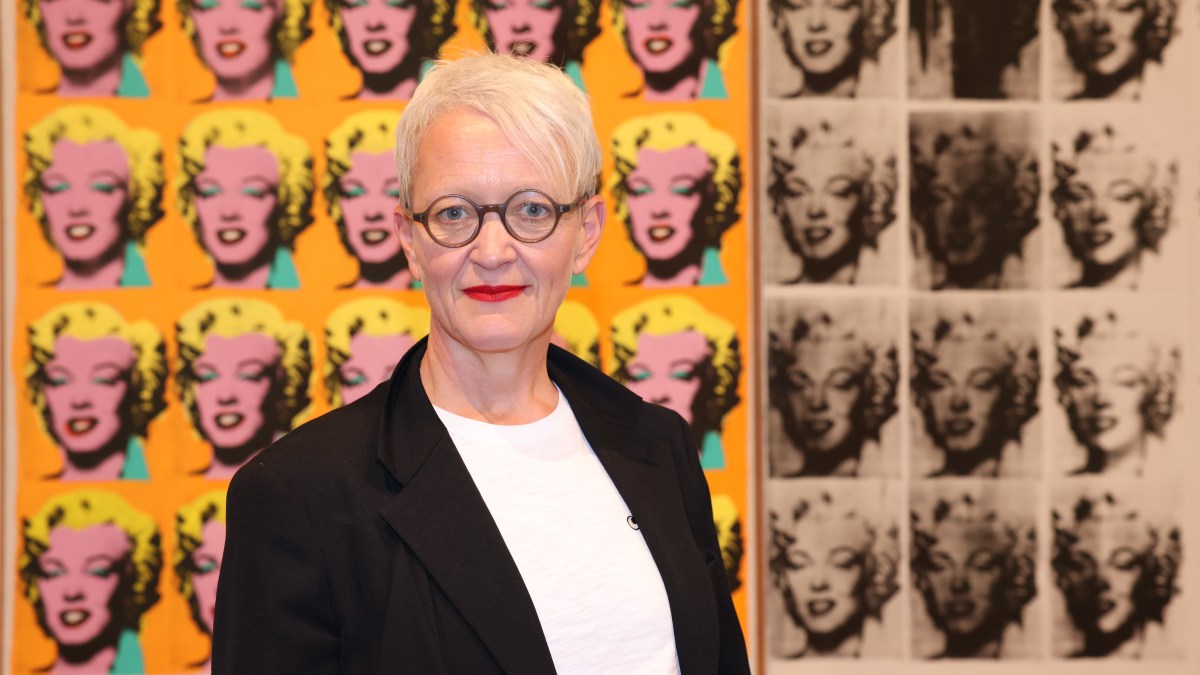
This week the Tate director, Maria Balshaw, the first woman to front this most influential of British cultural institutions, unexpectedly announced that in spring she would be stepping down from her directorship. The Tate group — Tate Modern, Tate Britain, Tate Liverpool and Tate St Ives — likes to refer to itself as “a family of galleries” but like most families, and most especially extended families, it must face some rough patches. It appears to be slap-bang in the middle of one right now.
Tate has some fundamental problems. They begin at grassroots with the permanent collections. For all that Tate Britain may have several crowd-pulling contributors — Hogarth, Reynolds and Gainsborough, the pre-Raphaelites, Constable and Turner — our nation is hardly a frontrunner in terms of the visual arts, not compared with many of our European counterparts. And, where a walk through MoMA in New York is akin to a stroll through a real-life art history book, Tate Modern offers a fairly incomplete picture. We were too far behind the curve when it came to collecting.
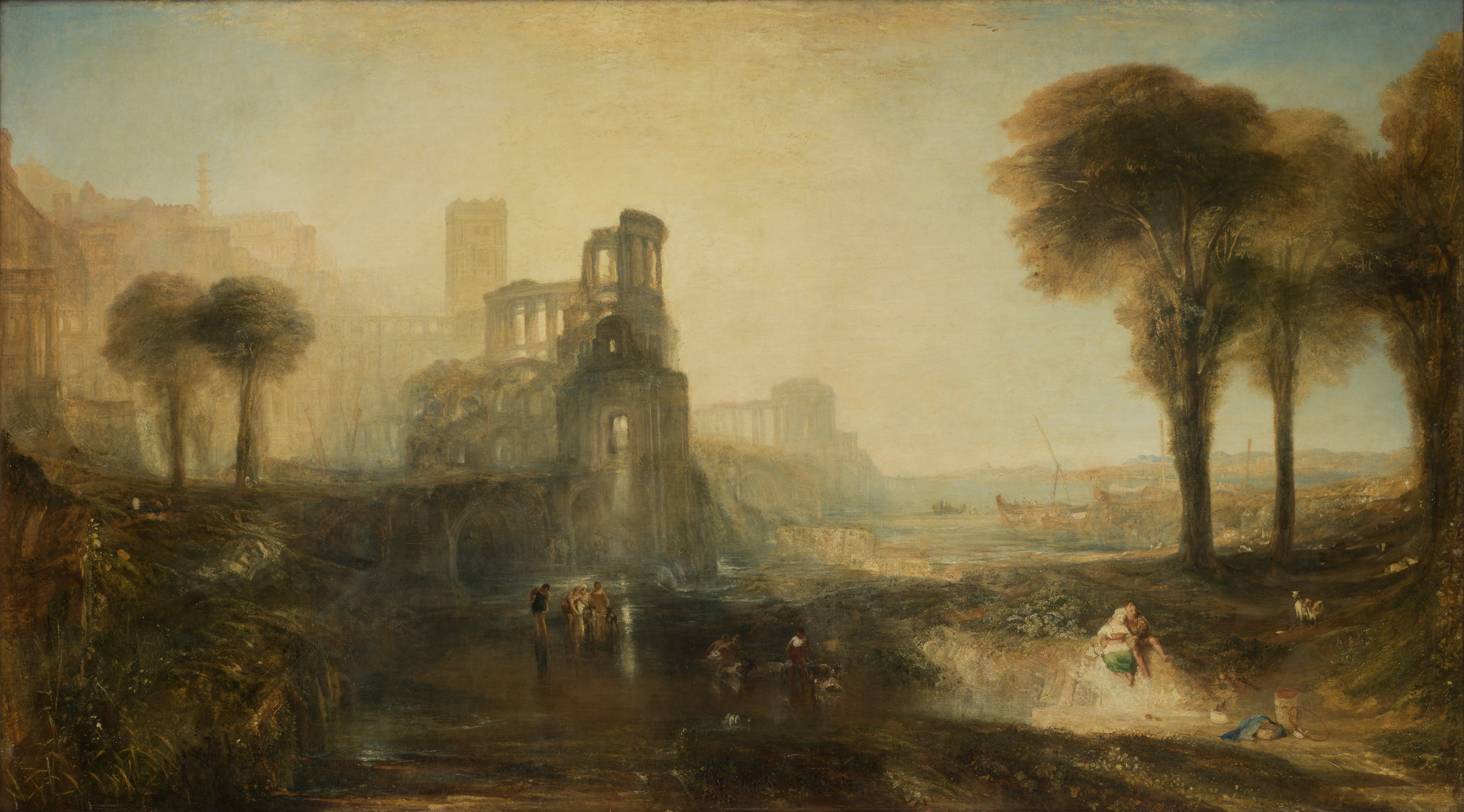
Caligula’s Palace and Bridge by JMW Turner at Tate Britain’s Turner and Constable exhibition
TATE
Curators try to make up for this by exploring more widely — at present at Tate Modern, modernism as it developed in Nigeria — but however pleasing, it’s not Picasso. It’s not a patch on the Courtauld’s impressionism. Little wonder that hackles bristled when the National Gallery announced it was tearing up its informal agreement to stick to collecting only pre-20th-century art. It now sets itself up as a significant rival.

Nigerian Modernism at Tate Modern this year
In the 1990s, just before Tate Modern was built, Britain was enjoying its moment in the limelight. Britart was booming. Commercial galleries leapt on to the bandwagon. Suddenly it seemed as if the art world got too big. Trends started to change faster than high street fashions. For the public that became a problem. How could people keep up? It all changed so often. The Turner prize is an example. Where once it drew excitably argumentative audiences, it is now all but dismissed. Shipping it off to different outposts didn’t help: it merely exported inscrutable metropolitan tastes to the regions.
Tate responded to the initial new enthusiasm for art by expanding. Balshaw inherited the just opened Blavatnik Building. It increased the Tate Modern display space by 60 per cent. But what to put in it? Vast video pieces by little-known Vietnamese artists were hardly popular. Now, judging by the feeble installation that now occupies (or rather fails to occupy) its vast Turbine Hall, it struggles even to fill its main building.
Tate St Ives added a further 1,320 sq m — including a contemporary art gallery — to its footprint in 2017. Meanwhile, Tate Liverpool’s revamped building — much delayed because of shortages in funding — is expected to reopen in 2027. When it does it will accommodate up to a million visitors a year, five times the number it was designed for when it opened in 1988.
But visitor numbers have fallen drastically. The visual arts are no longer as fashionable as they were when these projects were planned. A new generation, reared on digital, is increasingly indifferent to cultural institutions. The static image is no longer enough. Museums need instead to rethink how they can turn collections into living, breathing narratives that resonate with the expectations of new audiences.
• Female artists hit their peak in later life, says Tate director
The blame for declining visitor numbers and financial difficulties cannot necessarily be laid at Balshaw’s door — even if, by stepping down, she appears to accept the flak. First came Brexit. Binding the British art market in kilometres of red tape, it has seriously threatened London’s art world premiership. It also makes our country far less attractive to the flocks of young tourists who would once have seen the Tate galleries as not-to-be-missed destinations.
Hot on the heels of Brexit came Covid. Overall attendance across Tate sites has not returned to pre-pandemic levels. Visitor numbers have dropped by as much as 25 per cent since before the pandemic. Perhaps it is simply that we got out of the habit. But in 2024 Tate Modern visitor numbers were 3 per cent down year-on-year, while British Museum numbers rose by 11 per cent. The cost of living crisis is not helping. When an exhibition ticket costs a pretty standard £25, it’s no wonder that so many give it a miss.
Balshaw has battled against all this. But if her emphatic attempt at diversification was a bid to broaden audiences, it appears to have backfired. Tate has been mocked for the frequently ludicrous political correctness of its curatorial labels. Social politics have been prioritised over aesthetics. Putting the spotlight on underrepresented talents — most notably, during Balshaw’s time, on overlooked women (her particular passion is textiles) — has often come at the expense of the sort of classics that reliably pull people in.
In 2022 Frances Morris, the director then of Tate Modern, heralded the end of the blockbuster show, due to the financial cost and the cost to the planet. “We will continue to do exhibitions of this type but in a very selective way,” she said. “And only ever in partnership and only when we can consolidate loans to minimise impact on carbon emissions in terms of transport.” She left her post in 2023.
And though Balshaw may be commended for taking a stand on the funding of arts by fossil fuel companies — she has been openly critical of British Museum for its decision to accept a £50 million sponsorship from BP — her refusal to deal with such patrons has left Tate with a financial shortfall that it cannot fill, despite its £51 million government subsidy.
The shortfall has bred discontent among Tate employees. “Treat staff like art! Handle with care”, read the banners of those who stood on Tate Britain picket lines during a week-long strike in November. Tate’s annual wage bill rose from £49 million in 2021 to £62 million last year. Two restructures in five years, numerous redundancies (about 7 per cent of staff were cut earlier this year) and below-inflation pay rises (a salary increase of less than 3 per cent was considered inadequate in a period of dramatically rising living costs) has badly damaged morale.
Balshaw has far from made a mess of it. She has helped to expand Tate’s membership to 150,000, bringing in about £20 million a year. That is the largest arts membership in the world. Tate Modern’s Friday night Lates sell out almost instantly. Turner & Constable, running at Tate Britain, is a five-star hit. Upcoming retrospectives of Tracey Emin and Frida Kahlo are sure to prove popular too. But as Balshaw steps down she leaves a legacy of money problems, staff unrest and squabbles over the direction that Tate should take. These problems are beginning to look as big as Tate itself. And tankers are famously slow to turn. Her successor will have an enormous task on their hands.
• Tate director Maria Balshaw: ‘Even £10 a ticket is too much for some people’
Who’s next to run the Tate?Alex Beard
Beard spent 11 years as Nicholas Serota’s second in command at Tate before picking up the plum job of CEO at the Royal Ballet and Opera. Might he now be tempted to return to steady the Tate ship? He’ll know how to wrangle the board, including chairman, Roland Rudd, who was previously on the board of the RBO.
Jessica Morgan 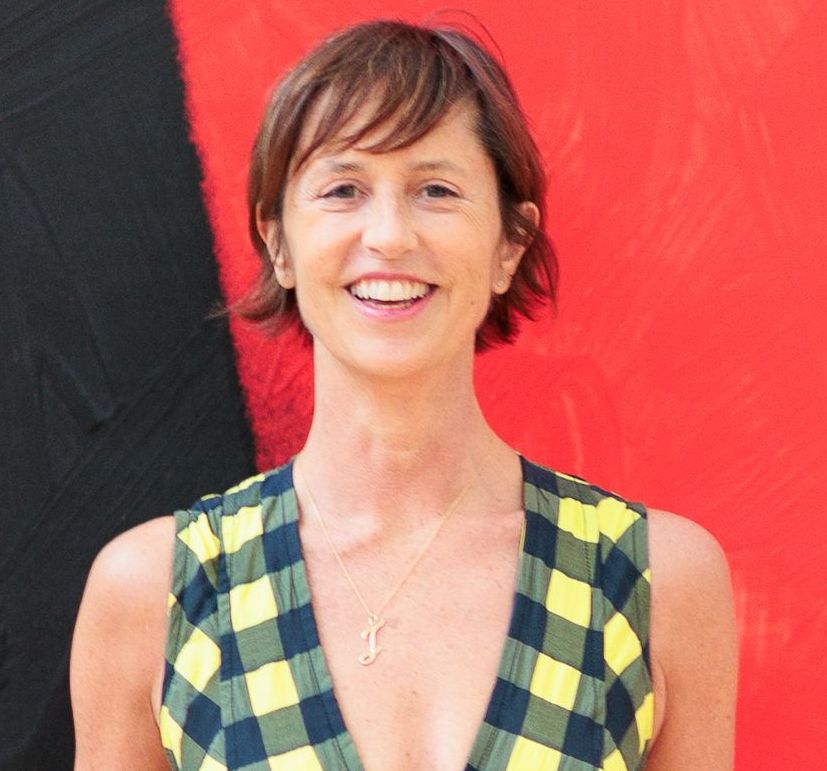
The smart money is on Morgan, who worked at Tate for a decade from 2002, where she curated Carsten Höller’s giant slides in the Turbine Hall — a giant hit. Since then she has been director of the Dia Art Foundation in New York, staging shows with Richard Serra and Dan Flavin. She is a famed fundraiser, her skills perhaps honed in her youth, when she was on the front desk at the Groucho Club.
Tristram Hunt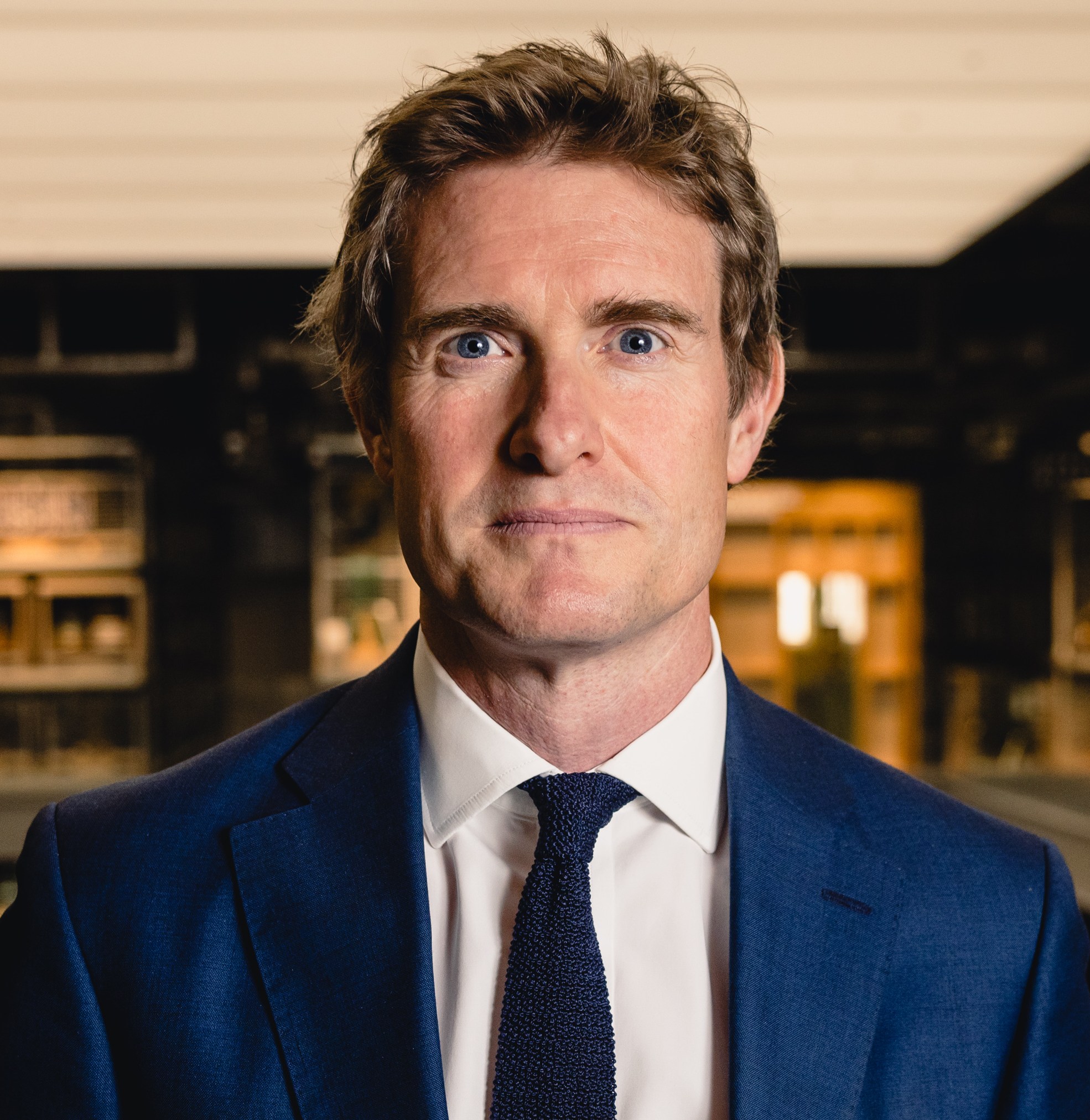
JACK TAYLOR FOR THE TIMES
The politician and Victorian history enthusiast was a surprise appointment to head the V&A in 2017, but has made a real impact. He began with a bang by presiding over the opening of the Exhibition Road Courtyard, and has since overseen an expansion into east London (the revamped Young V&A and all-new V&A East) and Dundee. That could prepare him well for managing Tate’s sprawling spaces.
Victoria Siddall
Having started her career at Christie’s, Siddall spent 18 years working for Frieze, founding Frieze Masters in 2012 before becoming global director of the fairs in 2014. So she is well connected and knows what sells. Last year she became the first female director of the National Portrait Gallery, where one of her first initiatives was a touring immersive exhibition of the gallery’s collection. It would be a swift move, early in her tenure, but she might have the commercial eye the institution needs.
Alex Farquharson
Surely it’s up or out for the man who has led Tate Britain since 2015 and masterminded its controversial rehang in 2023, a display that split the critics, many of whom were dismayed by lecturing wall texts. Farquharson also presides over the Turner prize, whose glory years seem very distant.