
Kiss goes to the movies – Kiss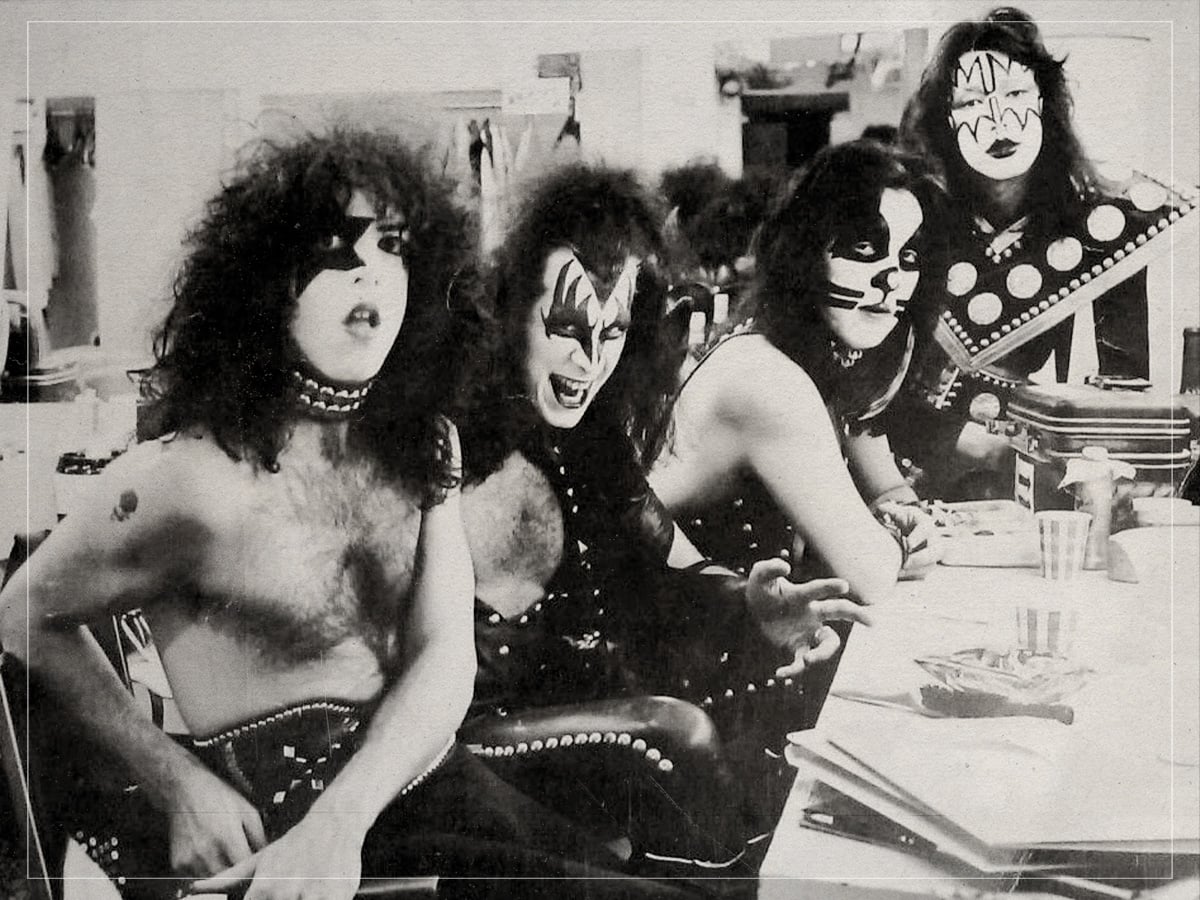
Kiss has never been a band that people are supposed to take seriously. Although every member looked fierce whenever they played onstage, their goal was to create a rock and roll circus whenever they got onstage, serving up meat and potatoes rock and roll with an amazing sense of spectacle. While that kind of idea seems like it would translate perfectly to the big screen, Kiss Meets the Phantom of the Park was the one moment when an entire generation lost their innocence.
After being heralded as rock and roll gods, seeing the band try to make a rock and roll movie about space encounters feels like it should be a forgettable side project on a Saturday morning cartoon show. That’s before you get to the acting itself, which proved that no member of the shock rockers has any business getting in front of the camera, especially with the dated 1970s effects.
That was only the start of things to come, though, as the band started adopting their more photogenic side and turning into a disco-tinged version of their monstrous personas. Kiss had already started becoming a little bit silly for the older side of their audience, but their decision to venture into the film world turned them from a potentially dangerous band into a Vegas-style sideshow act.
Firing Mick Jones – The Clash
Every great rock and roll band usually has a certain duo backing them. The Beatles had John Lennon and Paul McCartney trading lines back and forth, The Rolling Stones had Mick Jagger and Keith Richards, and even Guns N’ Roses had Slash and Axl Rose anchoring everything to the ground. Even though things can sometimes get testy between band members, The Clash’s manager decided that Mick Jones had overstayed his welcome by the start of the 1980s.
During the tour for the album Combat Rock, Jones and Joe Strummer started having disagreements about what the band should be. Since Jones was the one strutting his rock star moves in front of the camera, Strummer was convinced by manager Bernard Rhodes to ditch him, leading to the band hiring two new guitarists to capture the same magic that Jones had.
While Strummer would eventually regret his decision, he elected to go down with the ship, cutting Cut the Crap and making the band sound like a cheap 1980s version of what punk was supposed to be. For a band that had christened themselves ‘The Only Band That Mattered’ years before, the mighty had fallen from grace and would never see the top of the hit parade ever again.
Breaking up over spilt milk – Aerosmith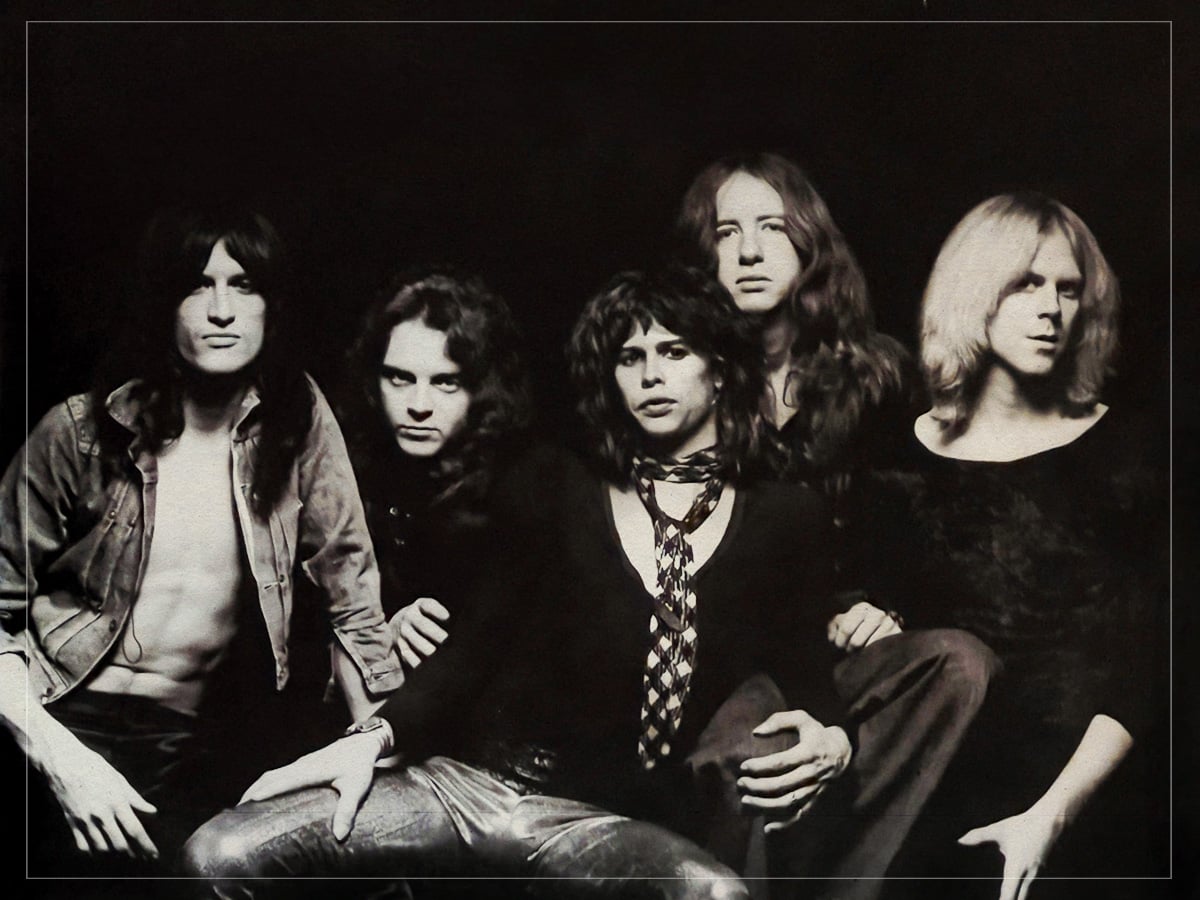
The life of a musician isn’t always easy. Outside of writing, recording, and performing live for months out of the year, how the hell is someone supposed to shoehorn their personal lives into the mix? While Joe Perry thought everything would be smooth sailing once he married his girlfriend, Elyssa, the tension between him and the rest of Aerosmith came to a head in 1979.
After a heated argument backstage over spilt milk, Perry and frontman Steven Tyler would have a massive argument backstage, resulting in Perry taking his guitar and never returning. Although it’s pretty sound logic for Perry to defend his wife, Aerosmith’s next album and Perry’s solo work proved that both of them had lost a core part of themselves.
Since neither of them were selling in droves like they used to, Tyler and Perry were eventually convinced to bury the hatchet in the early 1980s, reconciling for the album Done With Mirrors and never looking back since. The two musicians may still have their differences every time they walk into the studio, but there’s no chance that any business decisions are about the dairy products on the tour rider these days.
Buckingham holding a grudge – Fleetwood Mac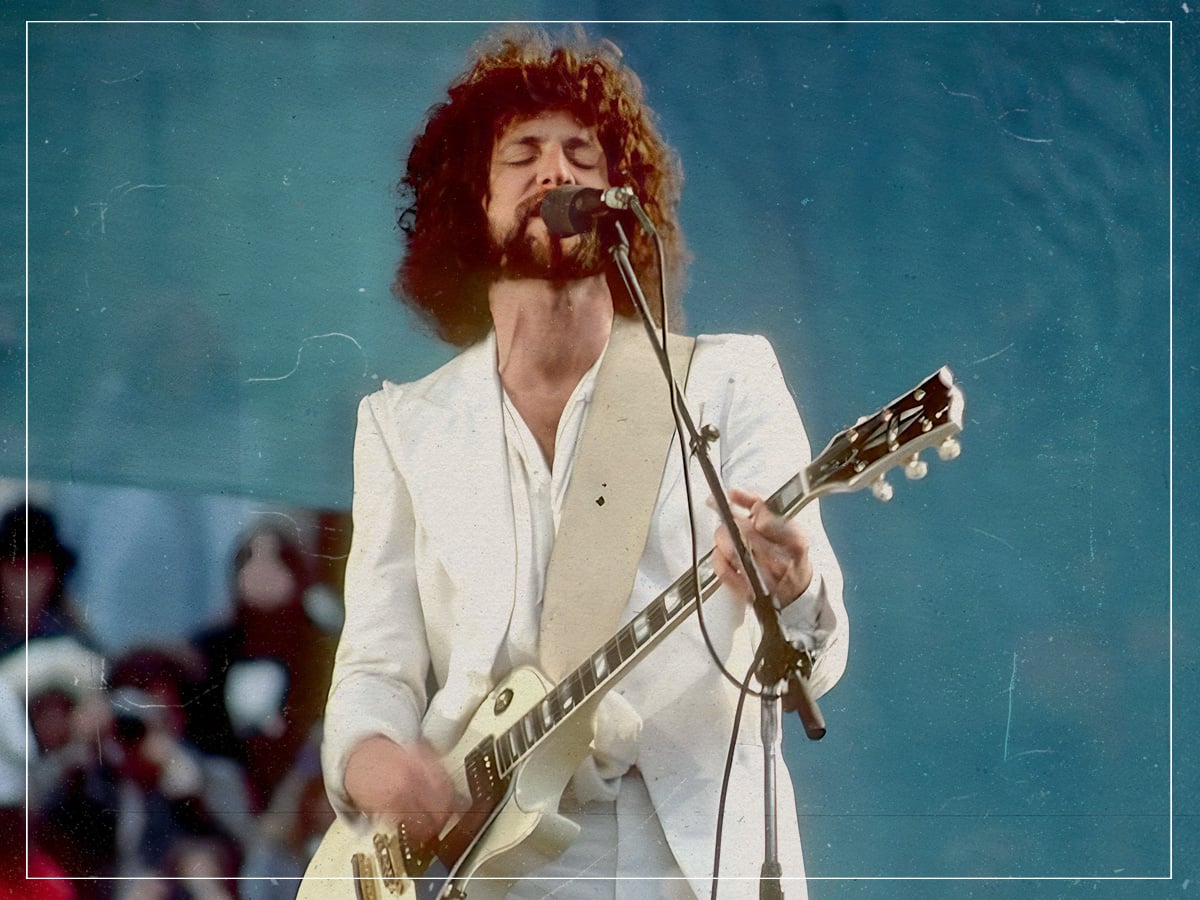
Being in a relationship in a band is like playing with fire. Even though many artists have been able to see it work out with their bandmates throughout their careers, there are just as many times when the pressures of seeing someone every day of your life lead to disaster on the road and in the studio. While there’s a good chance Fleetwood Mac could have gotten through anything after the recording of Rumours, Lindsey Buckingham still held a grudge when it came to tour Tango in the Night.
For the past decade, Buckingham and Stevie Nicks had been able to put on a happy face for the cameras whenever they went onstage despite having written hit songs about the turbulent relationship. As both of them juggled their solo outings alongside work with ‘The Mac’, the idea of having to see Nicks and perform songs like ‘Landslide’ night after night became too much for Buckingham, eventually getting into a physical altercation with the singer during a band meeting.
Buckingham would be kicked out of the band a few weeks later, hiring two different guitarists in his place and leading to one of the most forgettable runs in rock history with albums like Time. Fleetwood Mac may have gone through many different eras as a band, but when the most important release of one lineup’s tenure is the release of a greatest hits record, something is definitely off.
Insisting on ‘that’ production – Metallica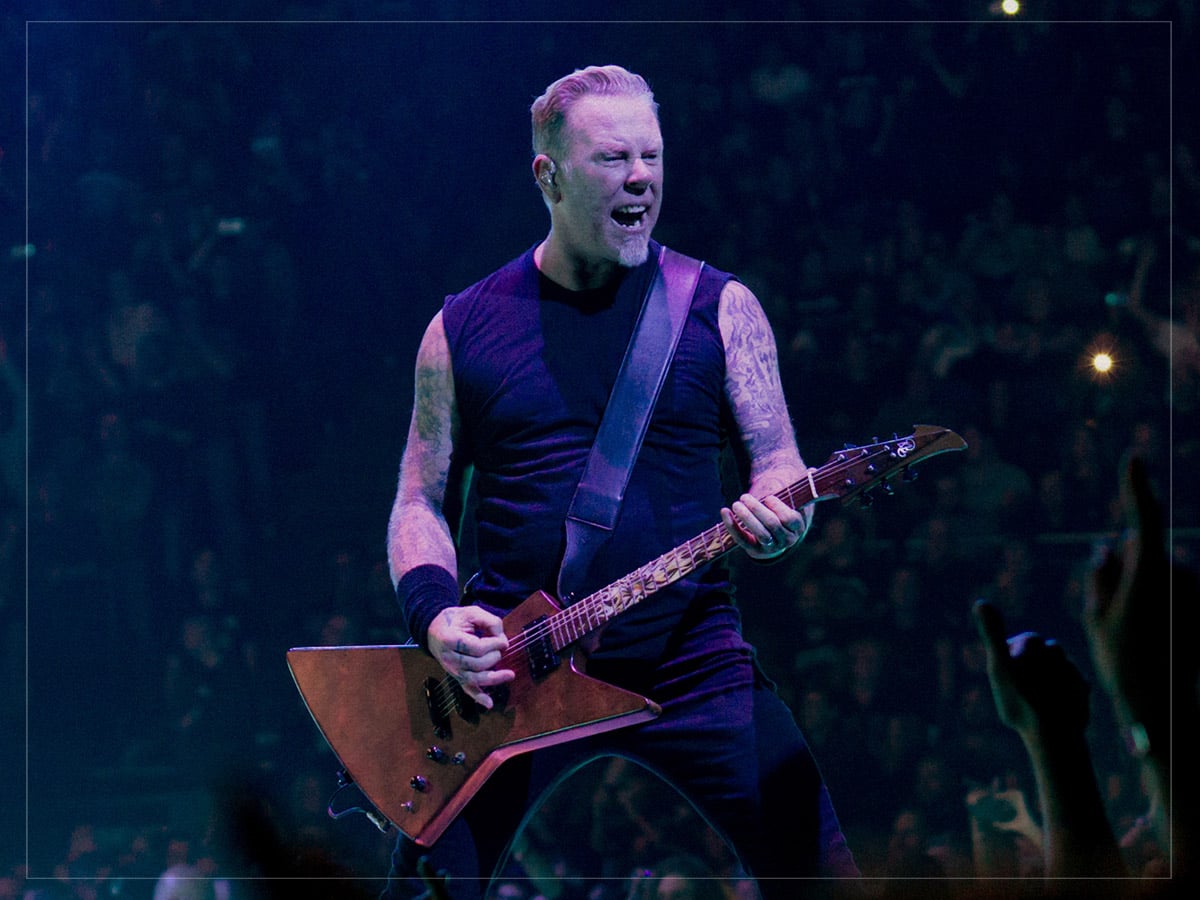
No artist wants to go into the studio to make the same old song. There’s a wealth of possibilities at one’s fingertips every time one enters the studio, so why limit yourself to just a handful of ideas when you’re working? While Metallica clearly had other things on their mind when making St Anger, the choice to leave in the worst production on earth is one of the most befuddling decisions any major band has made.
Then again, Metallica were known to switch it up in the years leading up to the album. Even though there was an intense backlash to the band’s flirtation with hard rock and alternative music on Load and ReLoad, a core fanbase still loved what they were doing on that record. Since no one was happy during the recording process of St Anger, all of that ugliness turned up on the record, from James Hetfield’s feeble vocal takes to Lars Ulrich’s grating drum sound.
Compared to the pristine records that producer Bob Rock has worked on, this is one of the biggest downgrades in history, making one of the biggest metal bands sound tired, angry, and left with nothing but pots and pans for drums. It may have been a new direction that Metallica hadn’t seen before, but just because it’s an original idea doesn’t always mean that it’s actually good.
Deciding to argue onstage – Eagles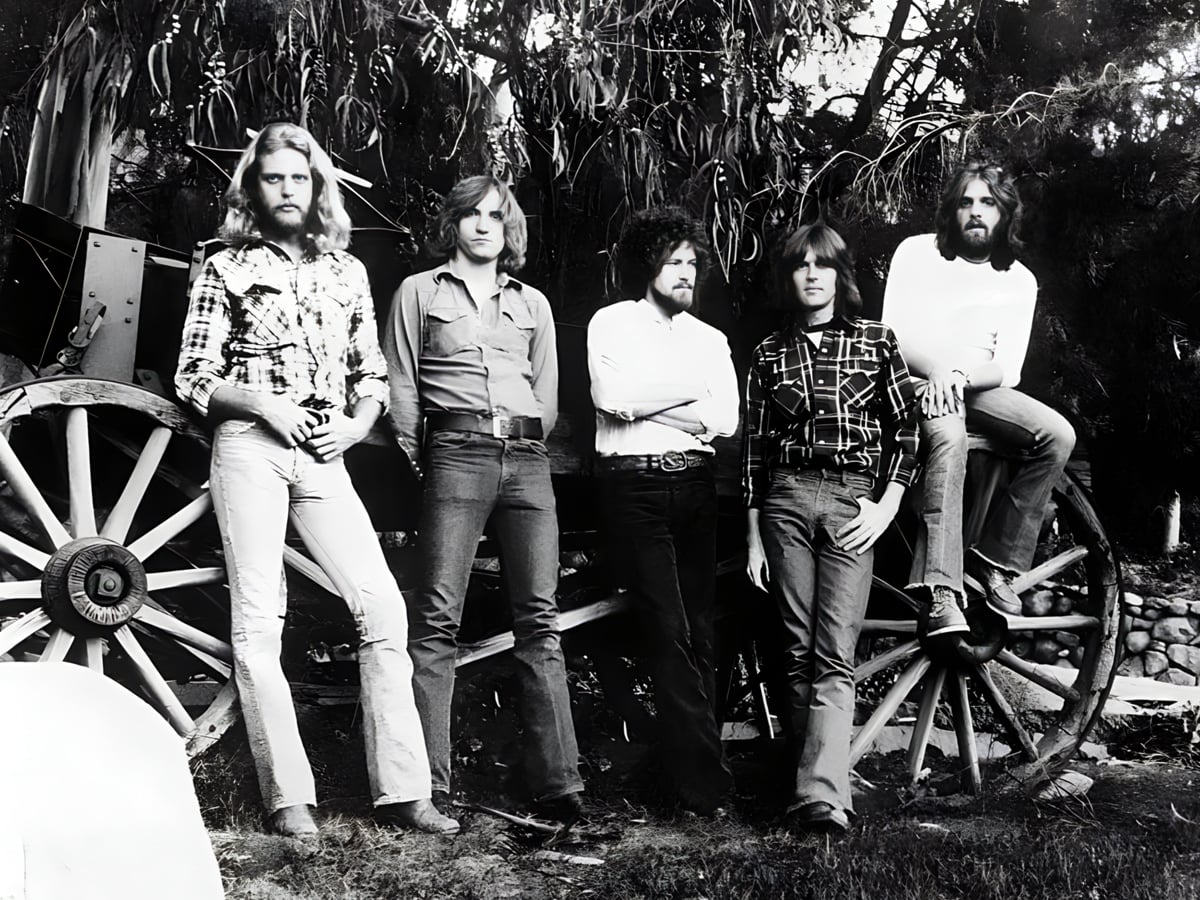
Most artists have learned to keep it professional in front of their fans. Although trying to get along with people you hate onstage might be hard, it’s easy to just put on a happy face and grin and bear it for those few hours before walking off. That is easier said than done, though, and Don Felder did not want to be treated like a second-rate musician in the Eagles anymore when they played a charity gig.
After being stifled as a singer on the album Hotel California, Felder was known to swallow most of his anger, slowly growing resentful of Glenn Frey and Don Henley. Once the band decided to play a benefit concert for political causes, though, Felder decided that now was the time to say something, making a passing comment towards the organiser and eventually having words with Frey in between songs.
Despite sounding phenomenal onstage, the audio in between the songs has both Frey and Felder seething with anger, each threatening to kick the other’s ass by the time the show was over. After smashing his guitar to pieces after the show, Felder would speed off into the night, leading to the golden age of the California rockers coming to an end.
Hiring Gary Cherone – Van Halen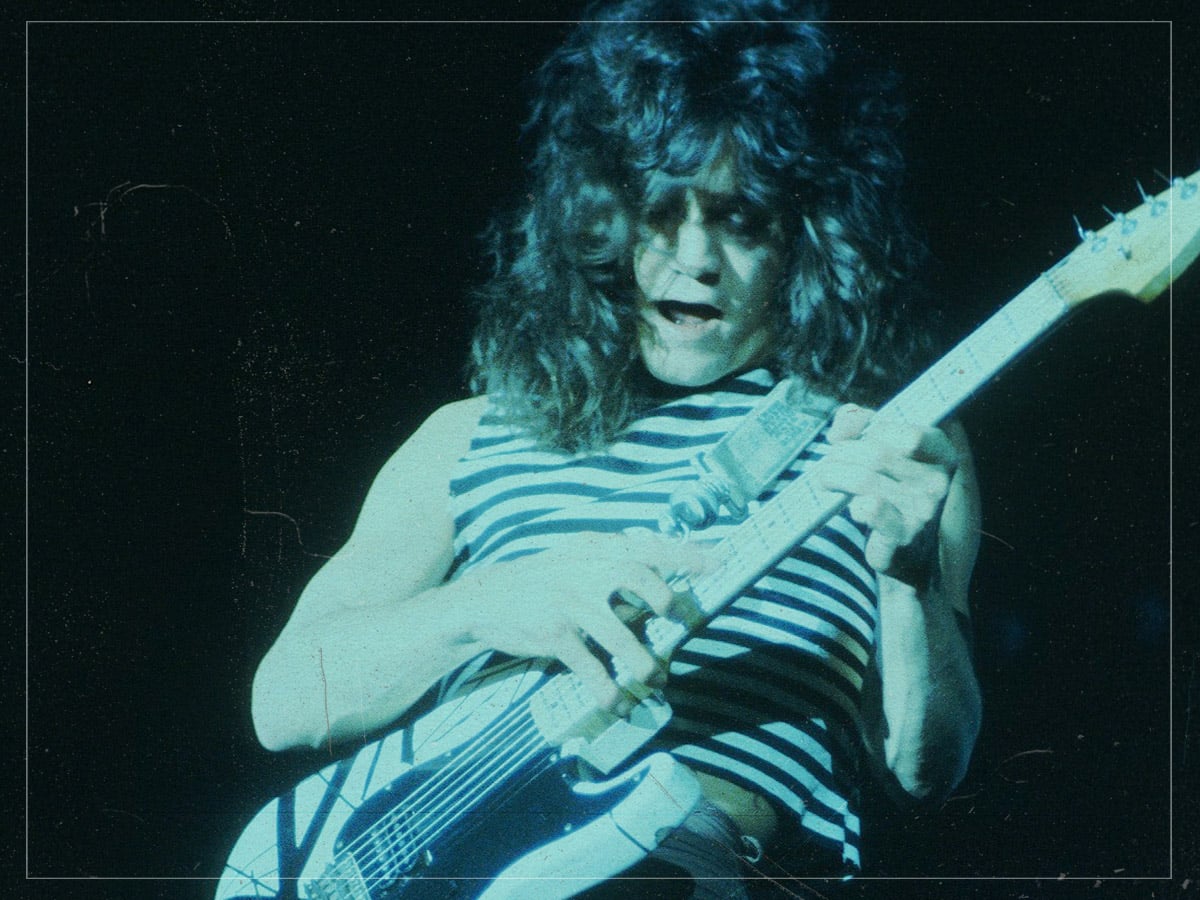
Van Halen was a true force of nature compared to other rock bands. While the loss of David Lee Roth as a frontman should have logically killed them, getting a second wind with Sammy Hagar launched them into the stratosphere again, turning them into a more earnest hard rock band compared to the party vibe of their early years. After spending almost the same amount of time Roth did, though, Hagar’s dismissal led to the band getting lost with Gary Cherone.
Before talking about the album Cherone made, he wasn’t exactly a bad fit for the band. Coming from the hair metal band Extreme, Cherone was clearly talented enough to be in the band, especially with his worn-in high voice. That’s not what the band was looking for; instead, they made him do a half-hearted impression of Hagar and sound like one of the most reprehensible hard rock singers ever to walk the Earth.
While Van Halen III was meant to introduce the band to the world yet again, all it did was make fans angry, creating songs that went on for too long and stalled the band’s creativity for years afterwards. The band may have still had the instrumental chemistry, but in terms of gelling with Cherone, they ended up sounding like a cover band that happens to have the original members in it.
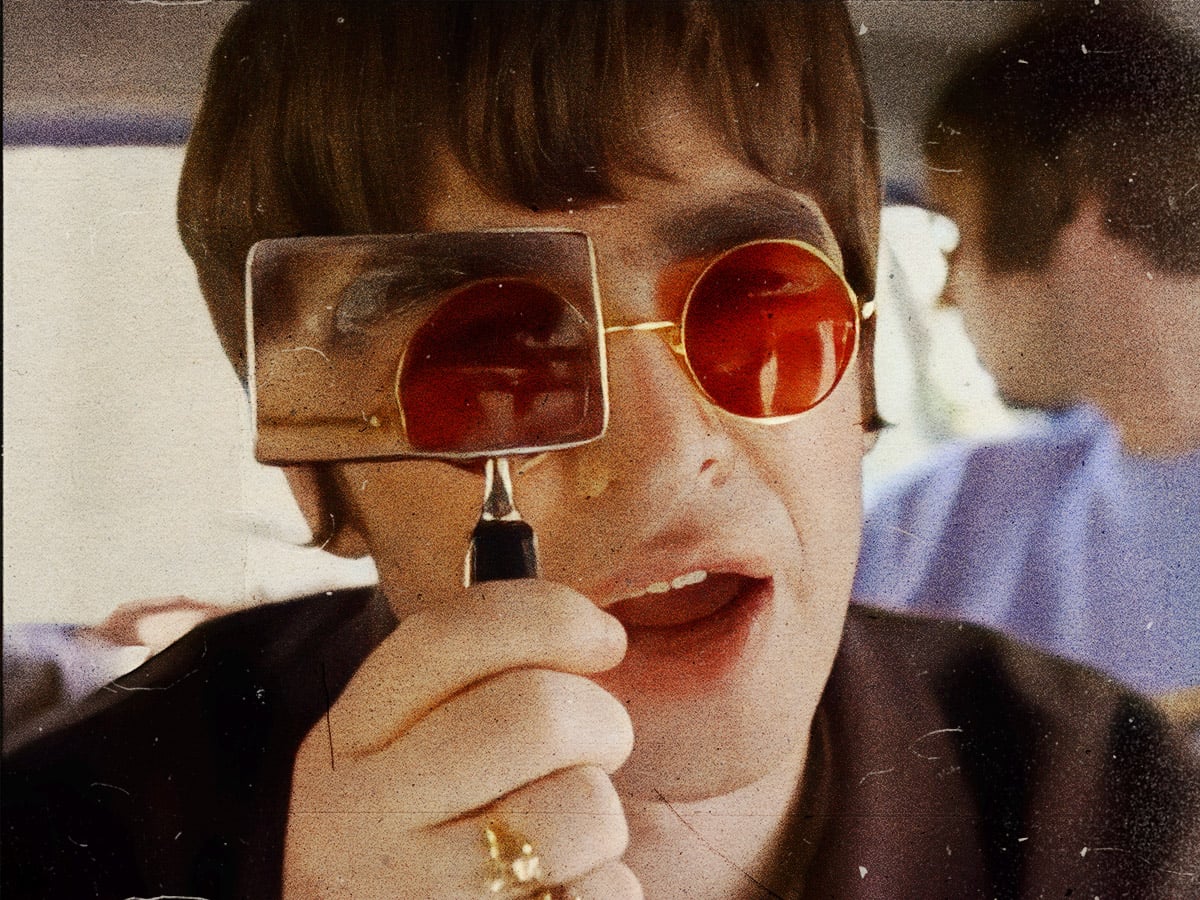
Not telling Noel Gallagher “no” – Oasis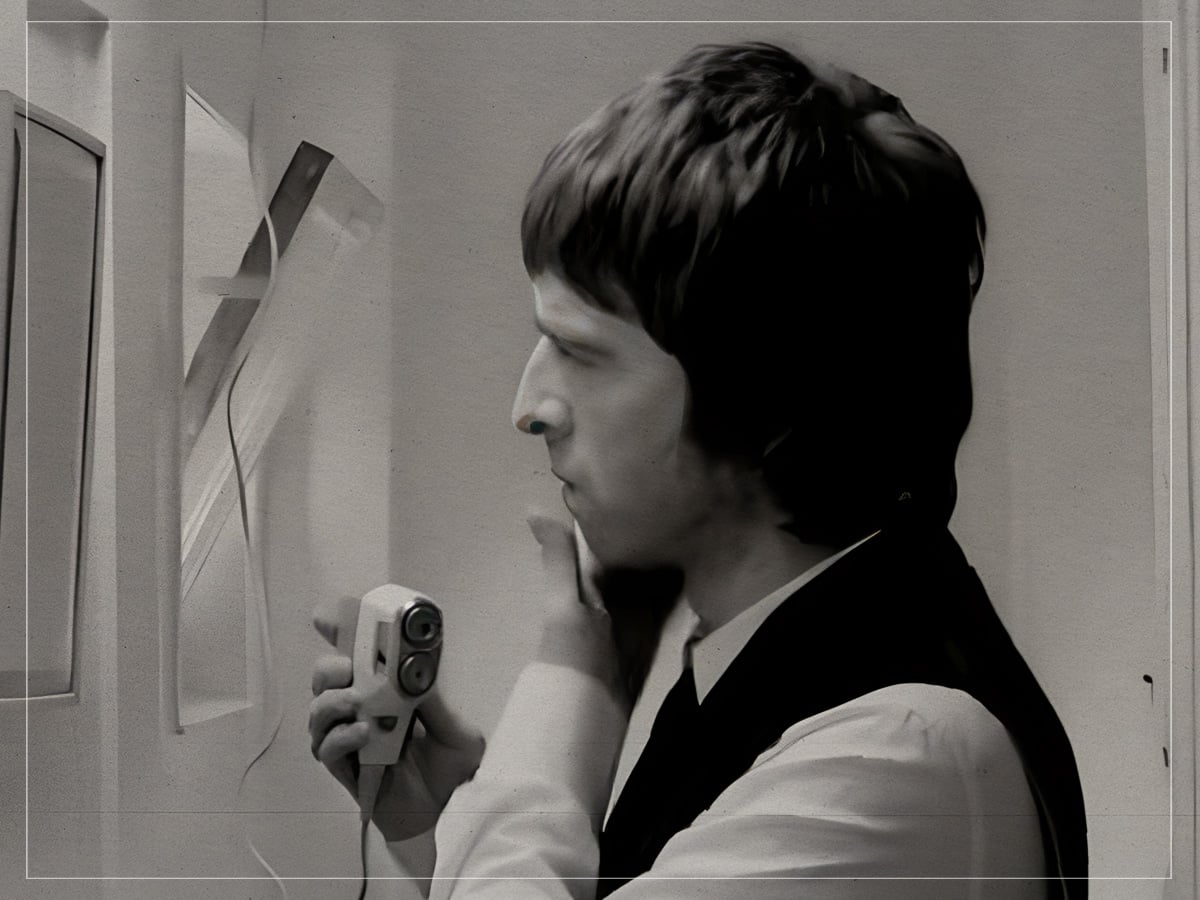
There’s a good chance that Noel Gallagher would do whatever he wanted throughout the 1990s. Although he may have been able to listen to reason every now and again, Noel was set in his ways in terms of being the best musician in the world, delivering on every promise he made and working on albums like Definitely Maybe and What’s the Story Morning Glory. Noel may have steered the Oasis train, but no one should have given him permission to do whatever he wanted on Be Here Now.
While Noel went into the studio with the intent of topping one of the biggest albums of the 1990s, the massive amount of drugs he was taking alongside producer Owen Morris led to one of the most botched production jobs on an Oasis record. Compared to the earnest songs and the occasional blast of noise on What’s the Story Morning Glory, every song is cranked up to 13 on this record, with backing tracks that sound closer to static in the background that happens to have a Manchester accent.
There are still some decent songs on the record…they just go on for far too long, making for productions that sound like amazing four-minute songs that are nine minutes for no reason at all. The band were beyond listening to reason at that point in their career, but even Noel would admit that this was the moment where the golden age of Oasis went into permanent decline.
Letting Roger Waters do everything – Pink Floyd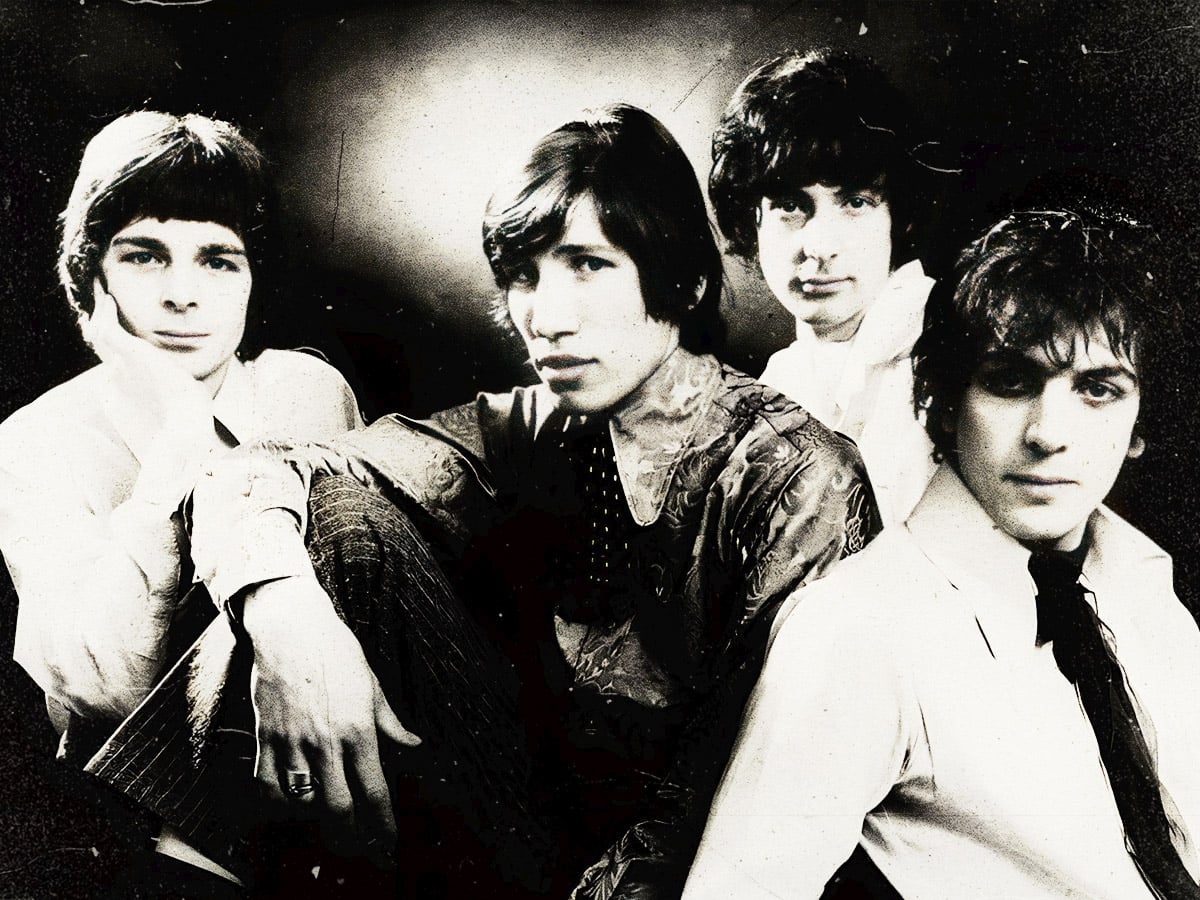
Good bands usually need to have one leader to stand around. Although every band member is important to the final sound of the band, the one that calls the shots has the unenviable task of ensuring everything sits well in the mix, having the same goals in mind as the rest of their bandmates. While Roger Waters served that role perfectly in Pink Floyd, no man should have as much power as he did on The Wall.
After presenting the idea to his bandmates, Waters demanded to have full control over the project, which included writing most of the material and telling everyone else what to play. This often involved making decisions that were way too drastic for anyone to make, like firing Richard Wright halfway through production and then bringing him back as a salaried musician when it came time to tour the record.
The show may have brought in millions of dollars, but Waters’s vision would be too much for the rest of the band, eventually leaving him to his solo career after The Final Cut while David Gilmour took the reins. Waters may have seen that version of Pink Floyd not working out, but the behaviour he had during the making of The Wall is the ultimate example of a man who forgot what the word “compromise” means.
Hiring Allen Klein – The Beatles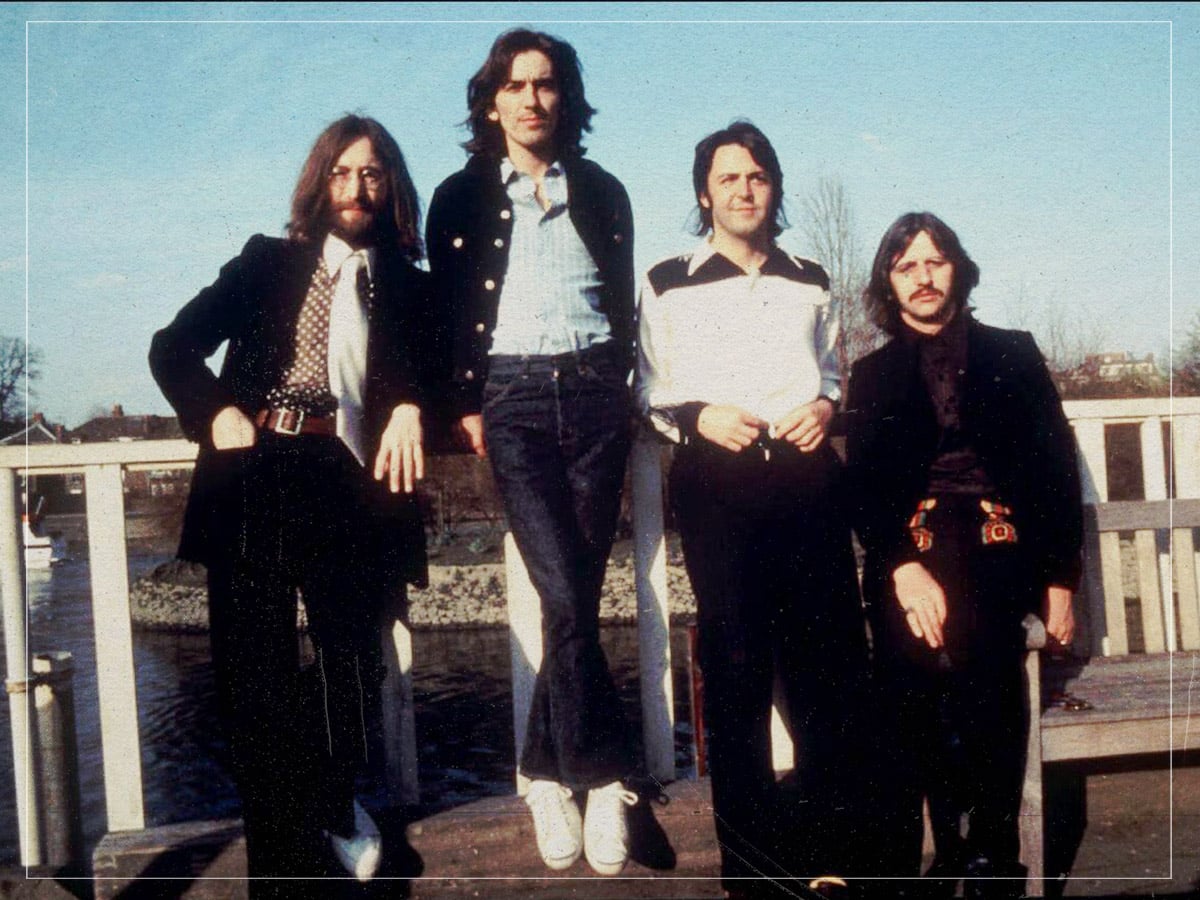
During the 1960s, it truly felt like The Beatles would be able to go on forever. After making some of the most exciting rock and roll of the first half of the decade, their second phase as creative innovators led to songs that no one had ever conceived of before. Though the band had already started moving away from management after the release of Sgt Pepper, hiring someone like Allen Klein was a recipe for disaster.
Since Paul McCartney didn’t like the practices he saw from Klein, he decided to opt out of him being the manager. Instead of trying to find a different person, the rest of the band ended up siding against McCartney, leading to years of mudslinging in their solo careers, with Klein eventually giving John Lennon lines to sing in the song ‘How Do You Sleep’.
Time seemed to be on McCartney’s side, though, as the Threetles ended up falling out with Klein and later admitting just how much they were robbed of their royalties because of signing with Klein. Some people think Yoko Ono split up The Beatles, and others think it was the natural evolution of the band, but the real nail in their coffin was when they hired a shithead to handle their finances.