
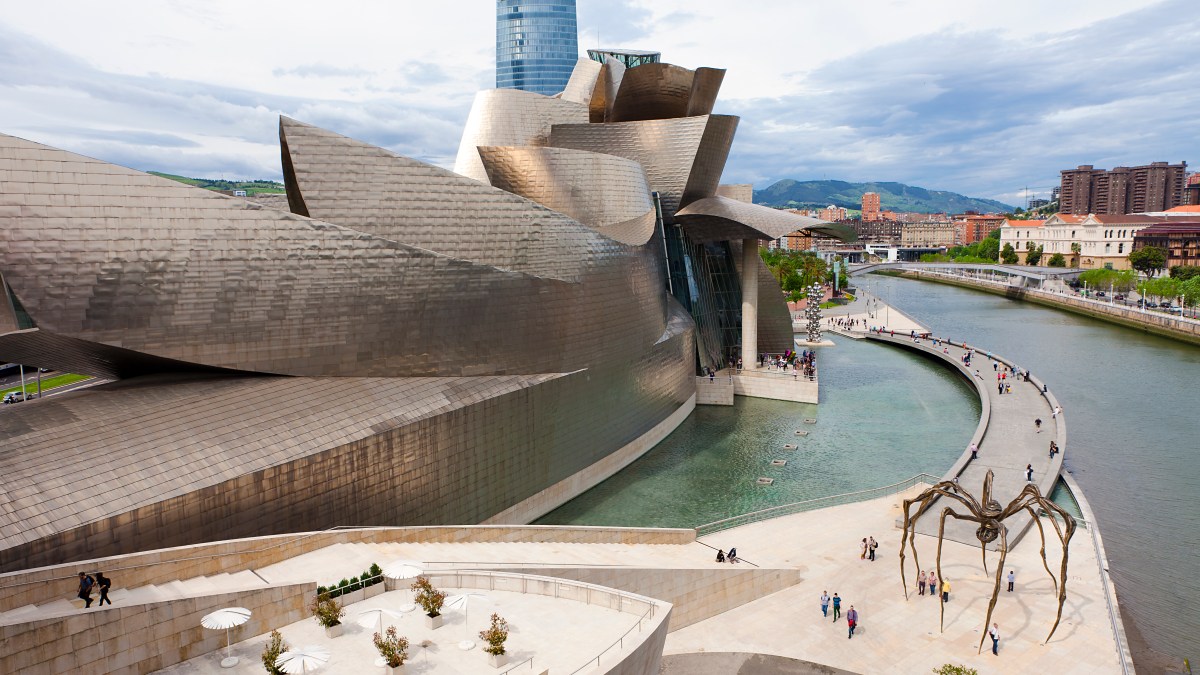
Plans to extend the Guggenheim art gallery from the northern Spanish city of Bilbao to a nature reserve have been scrapped after fierce opposition from ecologists and local residents.
After nearly two decades of legal proceedings, social opposition, scientific rejection and a consultation process that confirmed the lack of support for the expansion, the museum’s board of trustees voted against it on Tuesday.
“The board has decided not to go ahead,” it said in a statement.
The board includes the Basque regional government, the provincial council of Biscay, and the Solomon R Guggenheim Foundation, the museum’s three founding entities that have promoted the project. The foundation also runs museums in New York, Berlin, Venice and Abu Dhabi.
Pello Otxandiano, the leader of Bildu party, the former political wing of the now-defunct Basque terrorist group Eta and the main opponent of the project, said: “Common sense has prevailed. This was just a whim — to build a museum in a protected biosphere.”
The decision was considered the most important since the Frank Gehry-designed museum opened in 1997, also against trenchant opposition, which served to transform a backwater suffering post-industrial poverty and terrorism into a beacon of urban regeneration. The “Bilbao effect”, as it has become known, has been emulated by civic authorities around the world.
• Frank Gehry obituary: architectural maestro
The cost of the museum’s expansion project, which critics said pitted “culture against nature”, was estimated at €100 million including a train connection, with the new site limited to 140,000 visitors a year. It was conceived as an attempt to revitalise the economy of the Busturialdea region, which has been affected by the loss of industry and depopulation.

The Urdaibai biosphere reserve
SERGI REBOREDO/VWPICS/UNIVERSAL IMAGES GROUP/GETTY IMAGES
The authorities had proposed that the extension to Bilbao’s main tourist attraction would be set in the coastal Urdaibai biosphere reserve, 15 miles from the city. The plan put a large part of the public and environmentalists on a war footing due to the irreversible ecological damage they claimed the cultural facilities would cause to a unique ecosystem.
Urdaibai, an estuary to the east of Bilbao, was declared a Unesco biosphere reserve in 1984. Home to 45,000 people, its network of wetlands provide crucial nesting areas and wintering sites for dozens of species of birds including the sea eagle, the spoonbill and the Eurasian bittern.
The government had planned to erect two buildings in the estuary, 5km apart and linked by a “green path” along which visitors could walk, cycle or use an electric vehicle. The first building, in a refurbished cutlery and kitchenware factory in Guernica, was to have been an artists’ residence and educational centre. The second, to have been built on top of the old shipyards at Murueta, was to have been home to the museum, an exhibition space and an observatory.
A tunnel would have also been constructed through a mountain separating greater Bilbao with the Urdaibai estuary in order to allow the tens of thousands additional visitors to get to the new museum more easily.
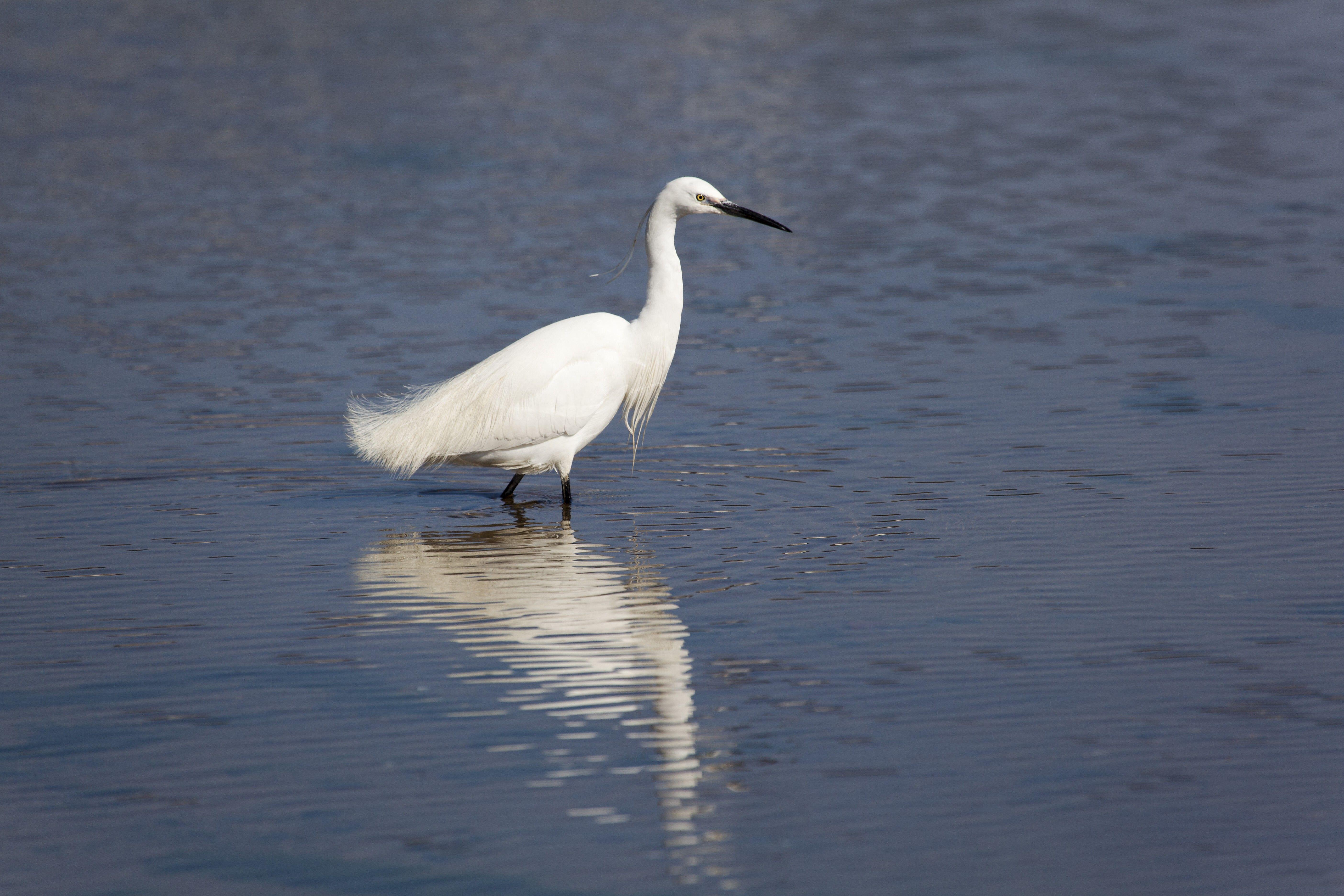
A little egret in the biosphere, which provides crucial nesting areas and wintering sites for dozens of species of birds
ALAMY
Activists had accused officials of using sustainability to “disguise” the fact that 140,000 additional visitors would inevitably have an effect on the environment.
They argued that the shipyards on which the museum would have been built cannot be altered or used for different purposes, according to Spanish law.
Once the concession, held by a local shipping company, to use the shipyards expires, the law requires that they be dismantled so that the area can once again become part of the natural coastline.
After 16 years of planning, the Basque authorities had announced in January 2024 a two-year suspension to establish whether the project was viable.
A demonstration against the project in 2024 brought together several thousand people on the streets of nearby Guernica.
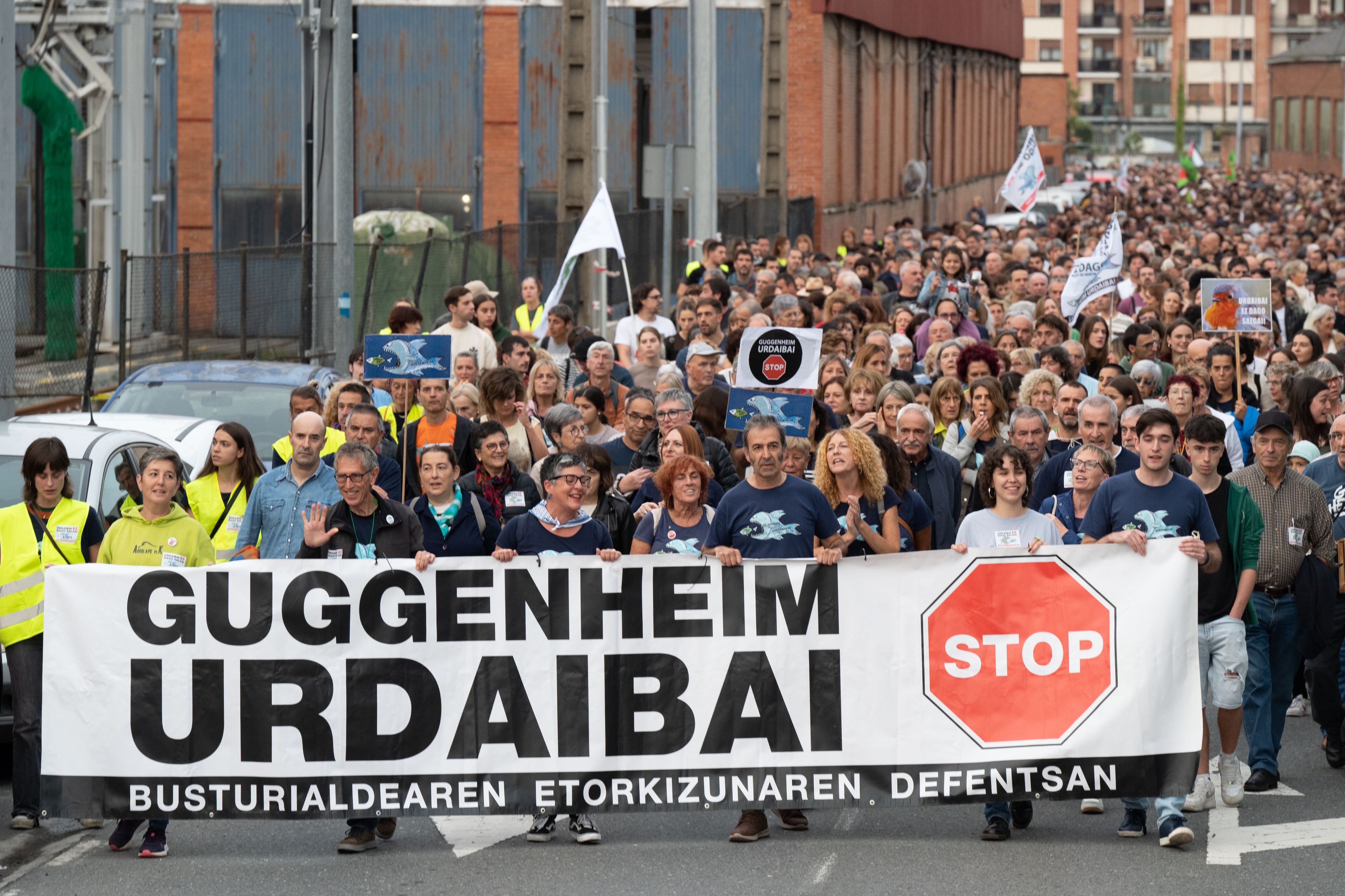
A demonstration in Guernica against the extension in October last year
DAVID DE HARO/EUROPA PRESS/GETTY IMAGES
The ruling regional Basque Nationalist Party (PNV) said at the time that the delay to the project was mainly due to changes in the management of the Guggenheim Foundation in New York. However, local media suggested the project had been frozen due to fears of a backlash against the party.
• Who will take over as director at Tate?
At the time, the delay was welcomed by groups opposing it. “The Guggenheim in Urdaibai was an anti-ecological, unnecessary, absurd, unsustainable project, in the middle of a biosphere reserve, absolutely far from the real needs of the region because it did not guarantee any type of return,” Miren Gorrotxategi, a spokeswoman for the left-wing Podemos party in the Basque country, said.