

This is the hardest month of the year for coaches in the Gallagher Prem. Coming out of the autumn internationals, their Test players have to be given a week off as the teams jump between competitions and often continents. The lead-up to Christmas is when contract negotiations and transfers are finalised for the following season, which can lead to disgruntled or distracted players. “Yeah, it can be quite stressful,” Sam Vesty, the Northampton Saints head coach, said.
This year, the transfer merry-go-round has felt busier than ever to those involved in the market, especially at the top end, with a number of A-list players exploring moves for next season. For the 2023-24 season, there were 20 transfers between Prem clubs. Heading into this season it was 23. Experts believe that could grow again leading into the 2026-27 season.
Tom Willis is leaving Saracens for Bordeaux Begles, sacrificing his England career for a return to the Stade Chaban-Delmas. Saracens have, in turn, signed two internationals in George Martin from Leicester Tigers and Tomos Williams from Gloucester, who then recruited the Wales co-captains Jac Morgan and Dewi Lake, plus Dan Robson from Pau.
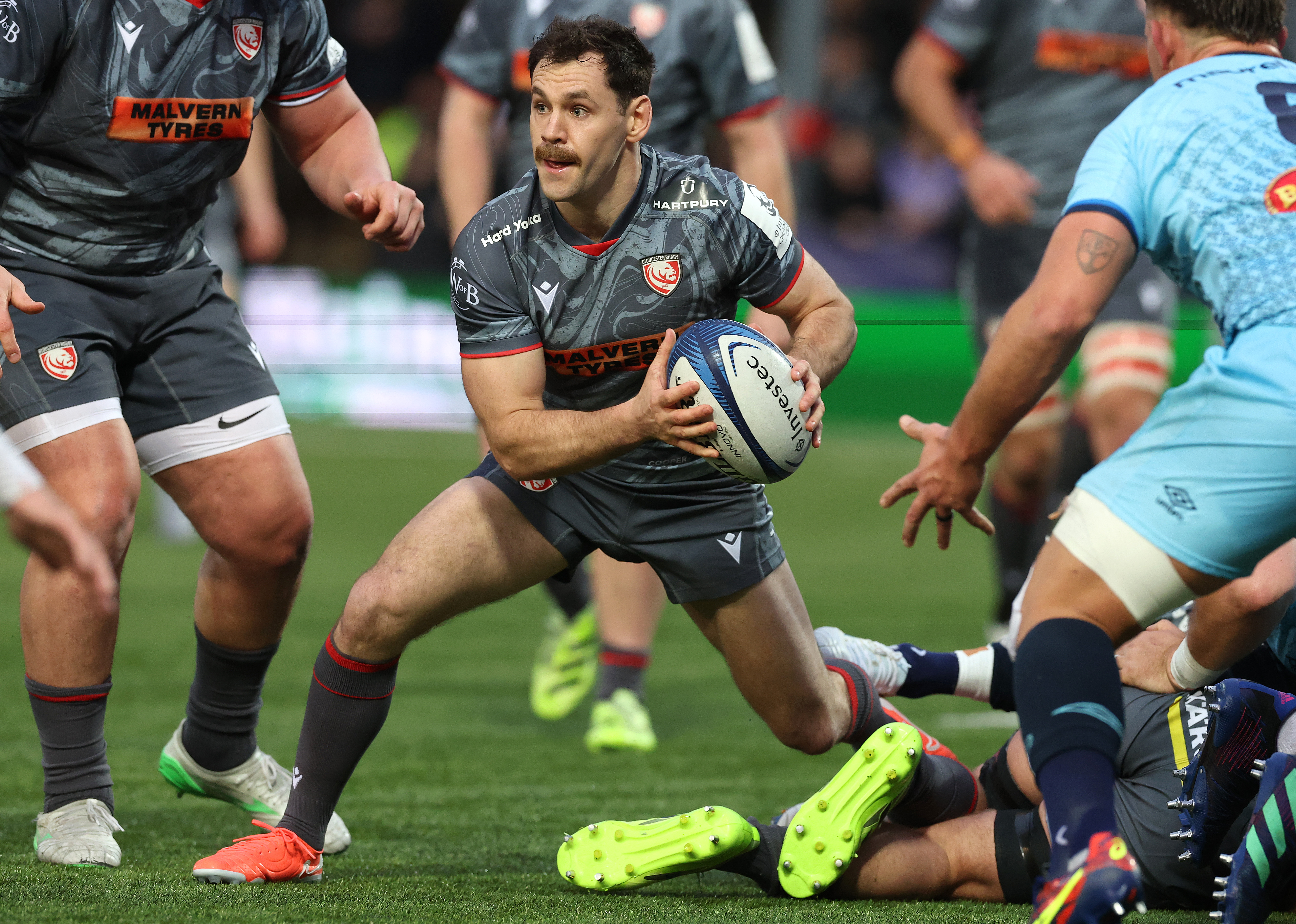
Wales scrum half Williams is leaving Gloucester for Gallagher Prem rivals Saracens.
DAVID ROGERS/GETTY IMAGES
Sale Sharks are losing Rob du Preez and Dan du Preez but they have signed Joe Marchant, who is returning from Paris with the goal of an England recall, and the Wales prop Nicky Smith from Leicester. Sale’s business is not done, with Alex Lozowski linked with a move to Manchester from Saracens.
George Furbank, the England full back, is on his way from Northampton Saints to Harlequins. Leicester are in the market for Dan Edwards, the Wales fly half. Hoskins Sotutu, the former All Blacks No8 who is on the verge of qualifying for England, is the first statement signing by the new owners of Newcastle Red Bulls.
Alex Mitchell, Chandler Cunningham-South and Elliot Daly were among the England stars who engaged in talks over going elsewhere in the Prem before committing to their existing clubs. Will Stuart, the England prop, is expected to stay at Bath, but he has talked to Sale and fielded offers from France worth £500,000 a year.
And all of that is before we factor in those who signed preliminary deals with R360 before the breakaway competition was put on ice for two years, leaving some players high and dry. Louis Rees-Zammit, for example, was expected to join R360 after one year at Bristol Bears but he is now busy trying to land a new deal with the Prem club.
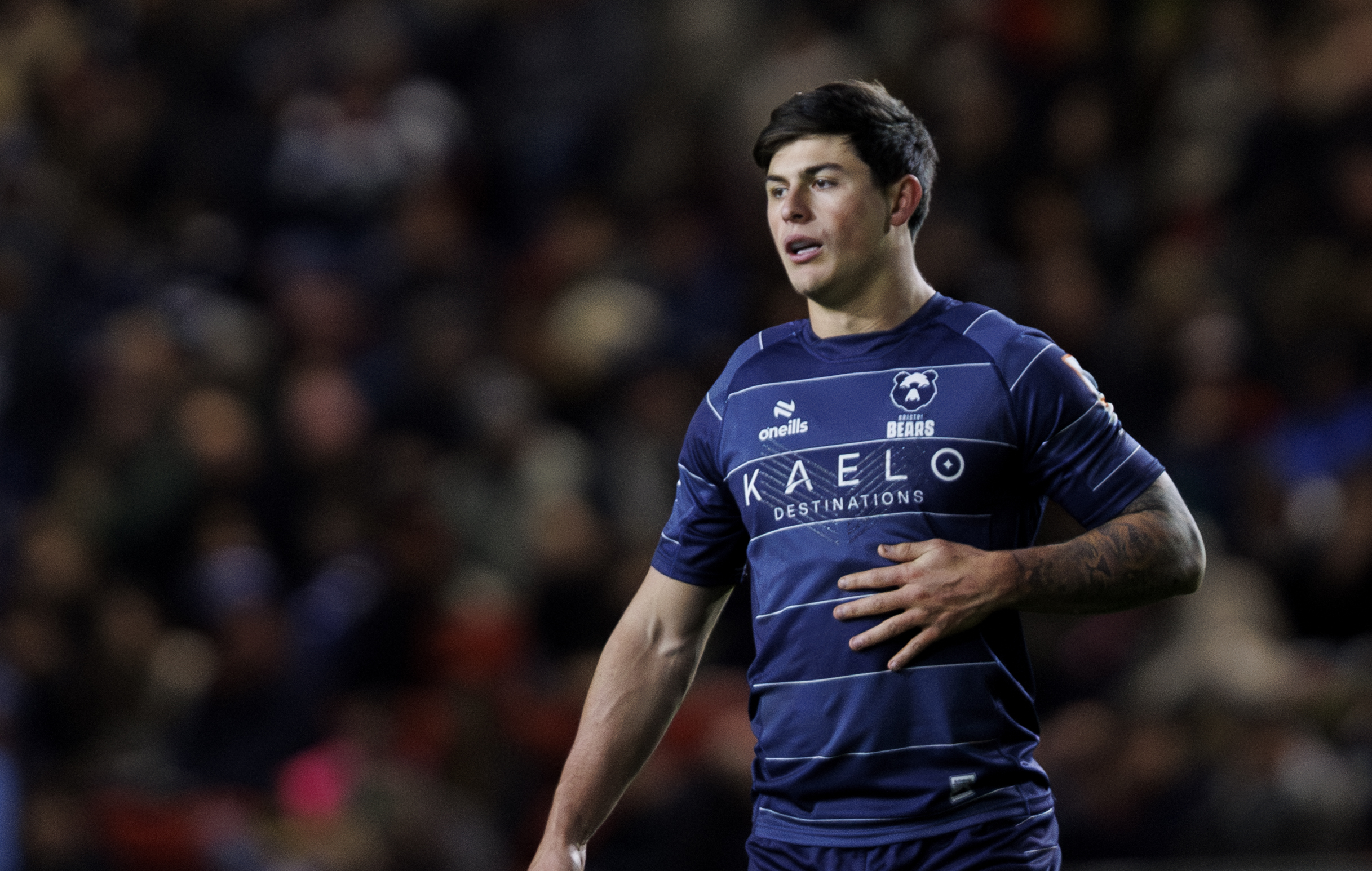
Rees-Zammit is hoping to stay at Bristol having joined the club following a stint in the NFL
BOB BRADFORD/CAMERASPORT/GETTY IMAGES
League sources and industry experts say there are multiple factors behind this spike in business. Some of it is driven by a simple desire to win. Bath set the standard in the Prem last year to win the title, structuring Bruce Craig’s investment smartly in order to be compliant with the salary cap while also boasting a squad packed with rising stars, world-class players and enviable depth.
Bath then improved on that squad this year by adding Santiago Carreras and Henry Arundell. The message to their title rivals was clear: overhauling us will require smart investment and astute squad-building.

Carreras, left, was signed by Bath as a statement of intent after the club’s title win inspired by Russell, right
BOB BRADFORD/CAMERASPORT VIA GETTY IMAGES
Craig is a champion of the Prem becoming a franchise league, in the belief that security from relegation will encourage fresh investment. Although the concept needs to be signed off by the RFU in the new year, Prem Rugby is already seeing evidence of a stirring confidence among, and some increased investment from, club owners who were experiencing fatigue.
Sale Sharks, whose owner Simon Orange sold his business at the start of this year for more than £1billion, are prepared to spend much closer to the £6.4million salary cap this season. Having reached the Premiership final in 2023, as well as three semi-final appearances in five years, Sale are hungry to take the next step. Having re-signed George Ford, Alex Sanderson, the club’s director of rugby, said he was in the market for “four or five world-class players”.

Fly half Ford signed a new three-year contract with Sale in October.
JAN KRUGER/GETTY IMAGES
Gloucester are loosening the purse strings this year compared to 12 months ago. Newcastle’s projected spending increase for next season, now they have the backing of Red Bull, will drive the overall investment in players close to £80million across the ten clubs, comparable to pre-Covid levels.
Across the Prem, senior squads are reducing in size and academy squads are growing. Saracens got into salary-cap trouble because they had a crop of top-class academy players who rapidly became internationals and the club knew they would have to get creative to keep them all. Northampton, who will not max out their cap spending, face a similar situation now. The club cannot afford to retain Mitchell, Fin Smith, Tommy Freeman and Fraser Dingwall, knowing they also have to plan for Henry Pollock’s value to rise with his next deal.
Vesty and Phil Dowson, the Saints director of rugby, therefore have to make a tough business choice over who, or which position, to prioritise. They could only offer Furbank a one-year deal and it appears that the Northampton club captain is off to Harlequins.
Dowson addressed the salary-cap pressure this time last year, when Northampton’s title defence was effectively ended by an away defeat against Saracens. The club had been unable to keep hold of Courtney Lawes, Lewis Ludlam and Alex Moon after winning the league in 2024.
“The problem with our [salary cap] model is that the top of it gets cut off every year,” Dowson said. “Senior players, international players have to leave. So the next wave of players have to step up.”

Furbank, left, is joining Harlequins from Northampton, who could only offer him a one-year deal
DAVID ROGERS/GETTY IMAGES
The Prem would argue a sign of the system working is that there have been six different league winners in six years.
Why do players choose to move? In the professional era, the ties of a hometown club are not as strong as they were. Sometimes, changing clubs is purely down to the money, but not always. Willis, for example, had become disillusioned with his England experience. He never settled at Saracens and wanted a return to France. Marchant and Sotutu are the opposite — they want to be in the Prem so they are eligible for England.
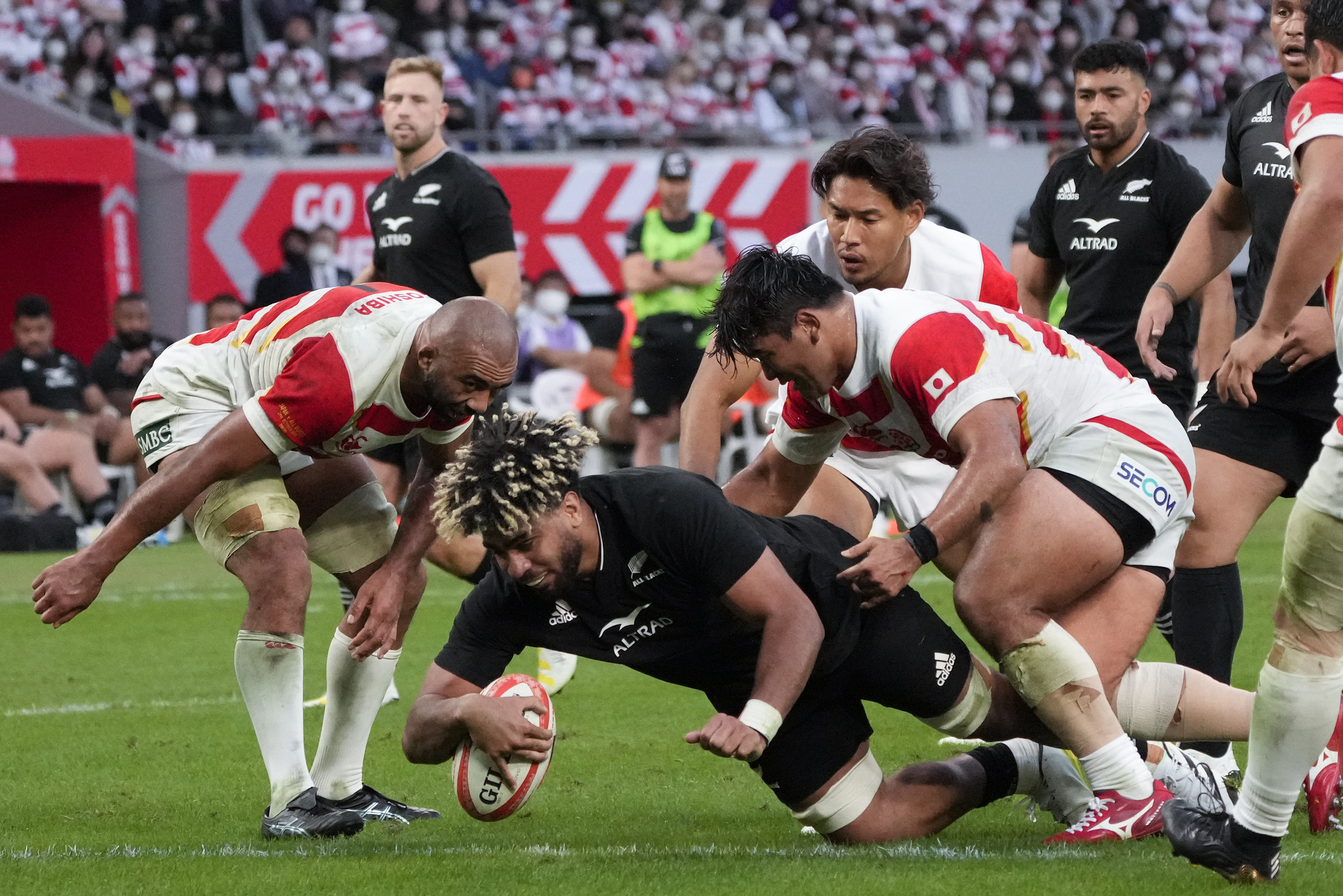
Sotutu scores a try for the All Blacks against Japan in 2022. He looks set to join Newcastle Red Bulls as the new ownership’s statement signing
SHUJI KAJIYAMA/AP
Players sometimes move in search of improved playing opportunities, or simply to play winning rugby. Carreras did not pocket a massive pay rise by swapping Gloucester for Bath. The Times knows of one prominent player who moved clubs because he felt his new employers had a superior medical team and would look after him better.
There are also those who turn down more money elsewhere. George Hendy would have earned more by leaving Northampton, but he valued the quality of coaching at the club and felt that staying would help maximise his potential. Plus, he enjoys playing with his mates. Furbank will miss that.
All this, and we are mid-season. Coaches such as Vesty have to ensure players who have been told they can leave, or players who want to leave, remain focused and committed for the rest of the campaign.
“You’ve got to be able to be professional about what your job is, put that stuff aside and get the best version of you on the pitch,” Vesty said of his charges. “The guys that we’re talking about here are very experienced, very good players who know all of these things and can roll with the punches.
“We’ve had plenty of people move on. They get a bit of ribbing. It’s all in very good spirits. It is what it is. It happens because of market forces. It is part of the game.”