
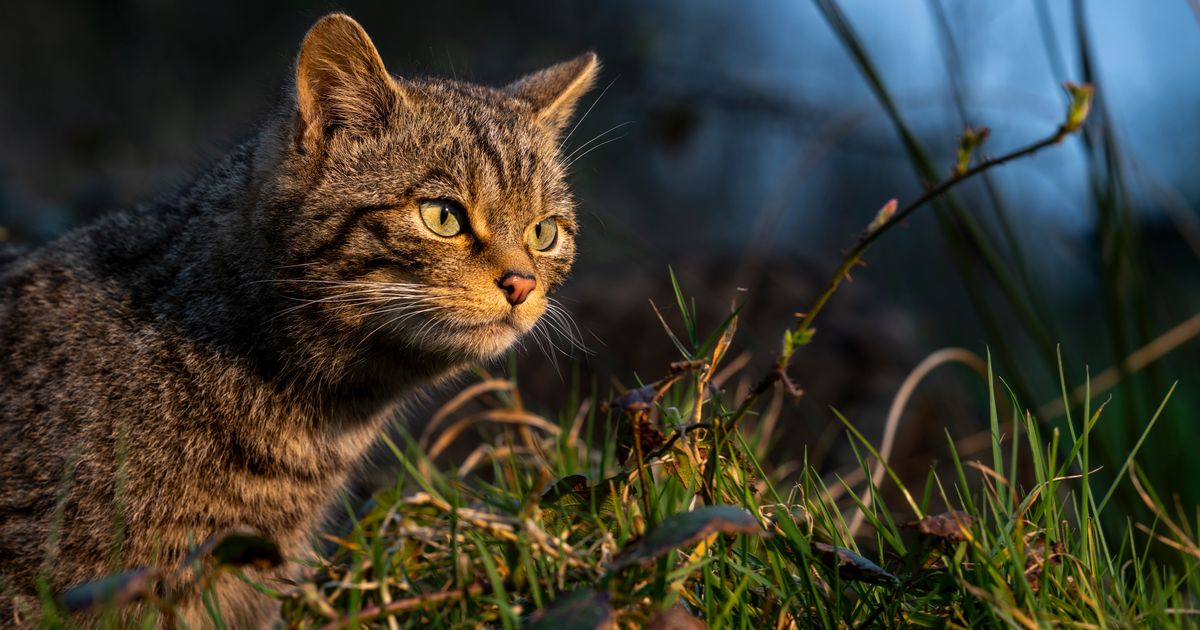
Independent research says Devon could support wildcats again after more than a century, with strong public backing for their return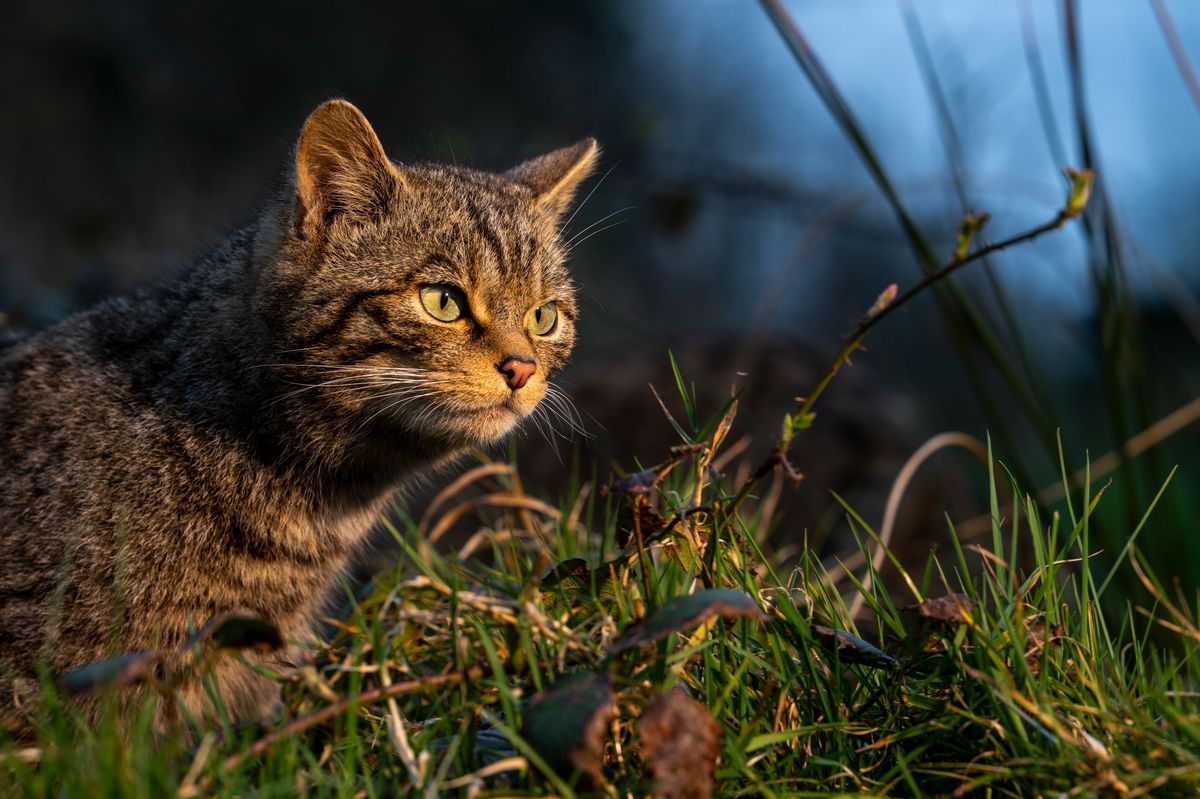 A European wildcat pictured in evening light. (Credit: Tom Mason)
New research reveals the South West is ready for the return of the elusive European wildcat.
A two-year feasibility study has found that reintroducing the wildcat to parts of the region could help restore balance to ecosystems – and it appears the public is largely on board.
The South West Wildcat Project, led by Devon Wildlife Trust alongside Forestry England and Derek Gow Consultancy, concluded that the area’s habitats could support a sustainable wildcat population for the first time since the mid-nineteenth century.
European wildcats, also known as “woodcats”, were once common across England, Scotland and Wales but were driven to extinction in most areas due to persecution and habitat loss. Today, only a small number survive in the Scottish Highlands — with an estimated 115 remaining in the wild.
Cath Jeffs, South West Wildcat Project lead at Devon Wildlife Trust, said: “It’s exciting that this report suggests wildcats could be part of the region’s nature once again. The return of this critically endangered species would be another step in the restoration of our native wildlife and will help re-balance local ecosystems.”
The study assessed the potential effects on people, pets, farming and wildlife. It found no significant risk to endangered species, livestock, or domestic animals, noting that wildcats mainly prey on rodents and rabbits – species already abundant in the region.
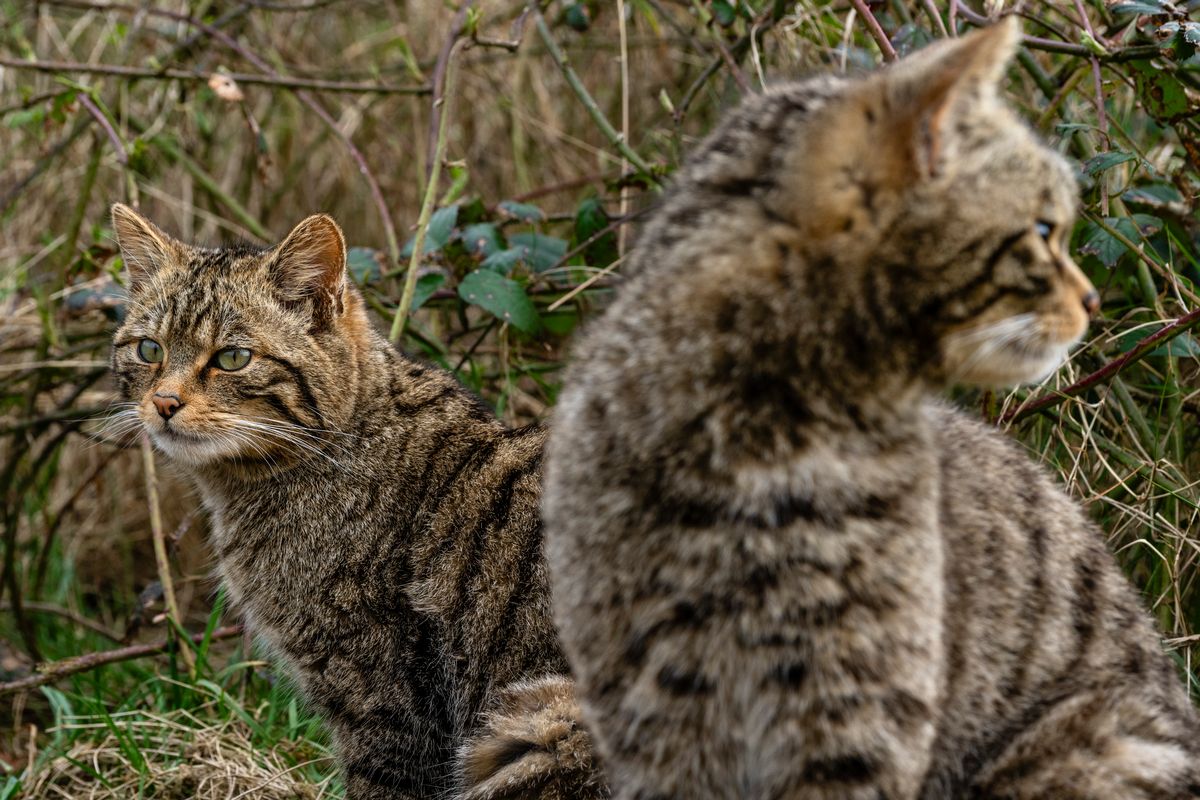 A pair of European wildcats. (Credit: Tom Mason)
Mid Devon has been highlighted as the most promising location for any future reintroduction, thanks to its well-connected woodlands and rough grasslands.
Two surveys conducted by the University of Exeter show strong public backing: 71% of 1,000 people surveyed supported the idea, and 83% of 1,425 online respondents expressed positive views.
Roger Auster, lecturer in environmental social science at the University of Exeter, said: “From both in-person research with stakeholder representatives and public surveys, we found there to be broad support for the idea of wildcat reintroduction, yet with need to understand more about wildcats and the role they play in local ecosystems. With the meaningful involvement of stakeholders during planning, we conclude that wildcat reintroduction is socially viable.”
Despite the promising outlook, there are still challenges to address. Hybridisation with domestic cats threatens the genetic purity of the species, and any reintroduction plan would need to include neutering initiatives for feral cats. Long-term community engagement and post-release monitoring would also be essential.
Abby Parravani, forest planner at Forestry England, said: “I’m thrilled that the feasibility report shows the suitability of South West England to reintroduce this missing native species, contributing to the restoration of ecosystems across this landscape.”
While there is currently no timeline for releasing wildcats into the wild, Devon Wildlife Trust and its partners are now focused on developing detailed plans and securing funding for the next phase of the project.
A full version of the report is available online where a summary and FAQs can also be found.