
Almost 3% of Malta’s GDP left Malta in personal transfers to non-EU countries in 2024, reflecting funds sent home by migrants living in Malta, according to new EU data published this week.
The data shows that, last year, people living in Malta sent €649 million to non-EU countries, while receiving just €8.5 million from outside the EU.
This resulted in a deficit of €640.6 million, roughly 2.8% of Malta’s GDP, a figure which eclipses all other EU countries.
Cyprus trailed Malta in second, with a balance of 0.9% of its GDP flowing out of Europe, a third of Malta’s balance.
Personal transfers refer to money transferred between one household and another, typically reflecting payments sent by migrants living in a country to their families back home.
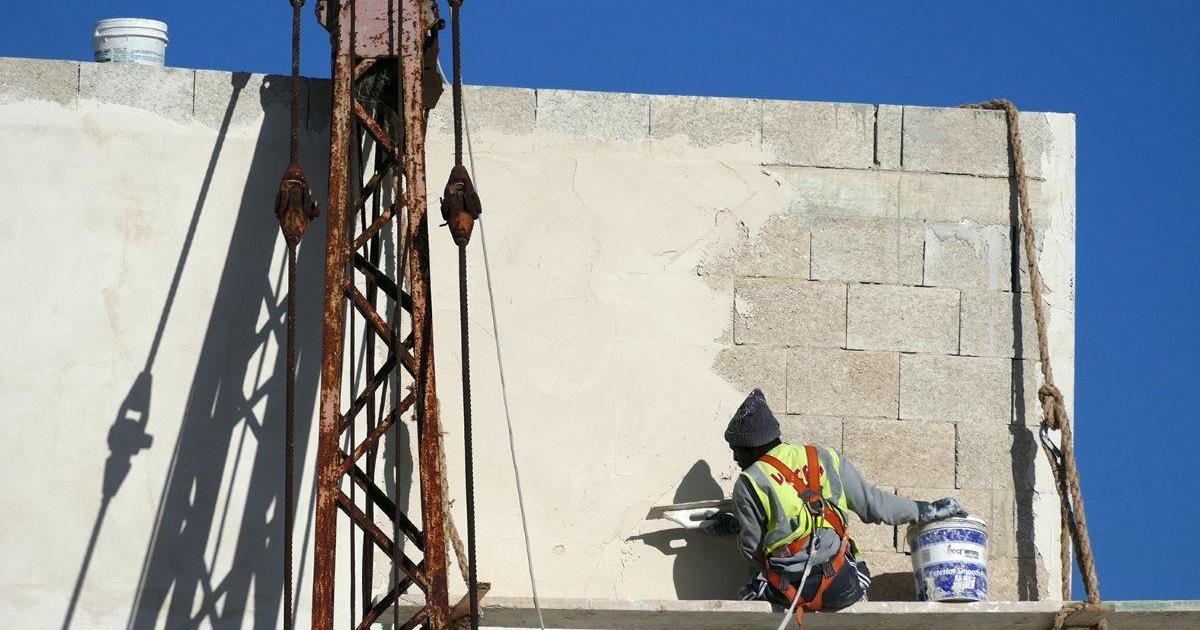
Likewise, Malta’s high outflows reflect its growing reliance on migrant workers, many of whom send a significant portion of their earnings to their families abroad.
Malta’s migrant workforce has continued to grow in recent years, with more than one in three workers in Malta now being foreign, although there have been signs of a slowdown in the arrival of third-country nationals since last year.
Measures to slow down turnover of migrant workers and crack down on exploitative employers came into effect earlier this year.
Several other EU countries find themselves in a similar situation to Malta, seeing a portion of the wealth they generated leave the EU.
Most EU countries recorded a deficit in their balance, indicating that residents were sending more money to non-EU countries than they were receiving. Only nine countries recorded a surplus, with Croatia leading the way at 2.6% of its GDP.
Across the bloc, people living within the EU sent €52.1 billion worth of personal payments out of the EU in 2024, 6% higher than the previous year. Meanwhile, only €14.8 billion in transfers travelled the other way.
According to Eurostat, money flowing out of the EU has surged in recent years, rising by 51% since 2020, with inflows rising at a far slower pace, at 26% over the same period.